
 EN
How to Reduce Lead Time Delays in Eyewear Manufacturing
Discover data-backed strategies to cut lead times—supply chain, production, quality & MES—without sacrificing quality.
Lead time delays in eyewear production represent one of the most significant operational challenges facing modern eyewear manufacturer facilities. When production schedules slip, retailers face inventory shortages, customer satisfaction declines, and revenue opportunities disappear. Understanding the root causes of these delays and implementing targeted solutions is essential for maintaining competitive advantage in the global eyewear market.
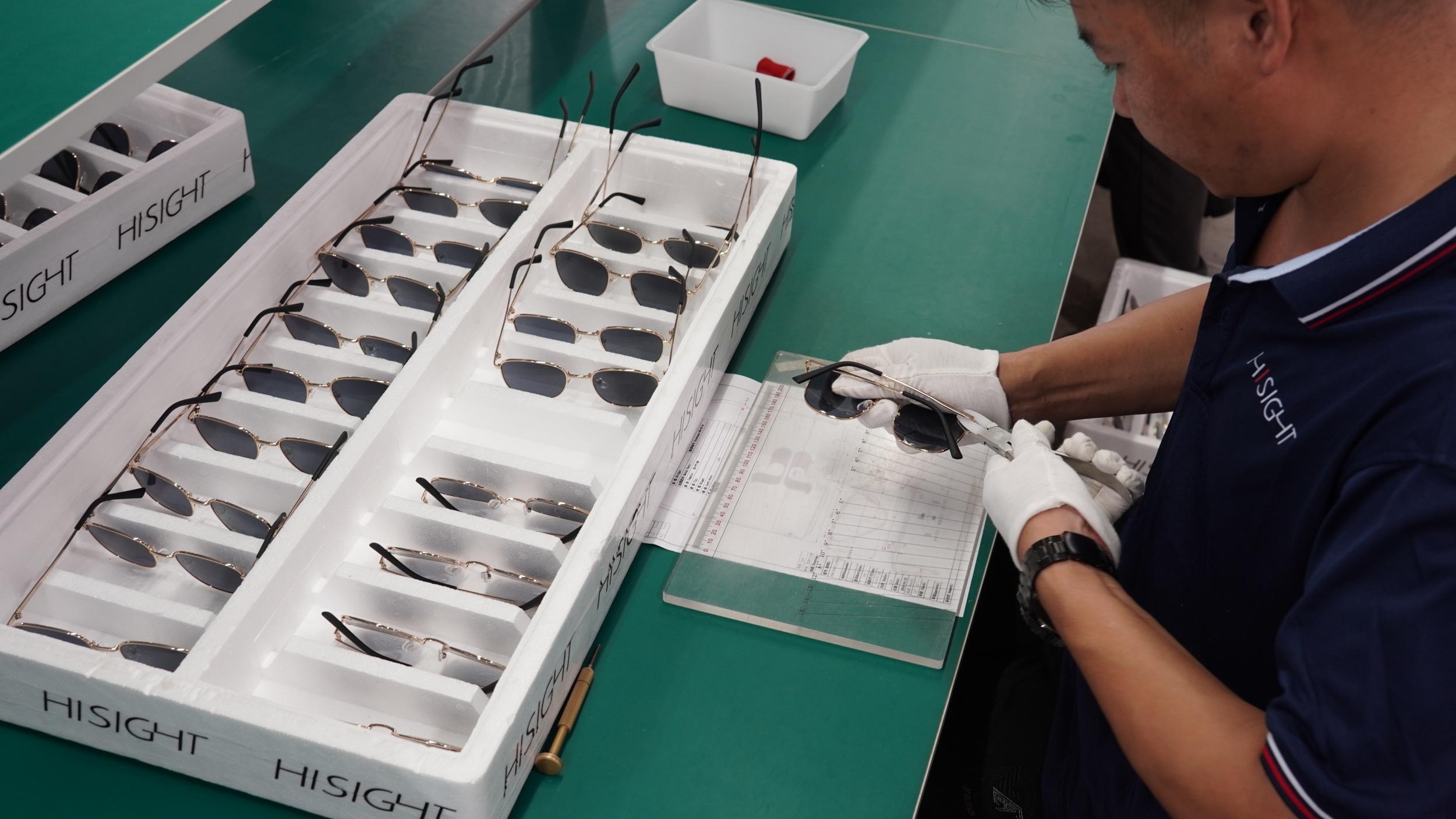
Every glasses factory must balance multiple production variables simultaneously, from raw material sourcing to final quality inspection. An effective eyewear oem factory operates with streamlined workflows, precise scheduling, and integrated technology systems. By identifying bottlenecks and addressing them systematically, manufacturers can dramatically reduce delays and improve delivery performance. This article explores practical strategies that enable optical frame manufacturer operations to meet customer deadlines consistently.
Streamlining Supply Chain Operations
Material Planning and Inventory Management
Supply chain delays frequently originate upstream from production floors. An eyewear oem factory must forecast material demand accurately and maintain strategic inventory buffers for critical components like acetate sheets, metal hinges, and lens blanks. Poor forecasting leads to emergency orders that incur premium shipping costs and extend lead times. Implementing demand planning software allows glasses factory managers to anticipate seasonal trends and adjust procurement schedules accordingly.
Working closely with approved suppliers strengthens reliability. An optical frame manufacturer should establish long-term partnerships with component vendors rather than engaging in transactional spot-buying. These relationships enable priority allocation during peak seasons and faster problem resolution when quality issues arise. Regular supplier performance reviews ensure that materials arrive on schedule and meet specifications consistently.
Logistics Coordination
Transportation represents a critical element of supply chain efficiency. An eyewear manufacturer must optimize inbound and outbound logistics networks to minimize dwell time at distribution centers. Consolidating shipments, negotiating dedicated routes with logistics providers, and implementing real-time tracking systems reduce delays between suppliers, factories, and customers. Many glasses factory operators now use integrated logistics platforms that provide visibility across the entire supply chain.
Optimizing Production Processes
Workflow Design and Capacity Planning
Production floor layout significantly impacts manufacturing speed. An eyewear oem factory should organize workstations in logical sequence, minimizing material movement between processes. Cell-based production, where teams manage complete product families rather than single functions, accelerates throughput and improves quality. Optical frame manufacturer facilities benefit from cross-training employees, which eliminates bottlenecks when workers are absent or demand spikes unexpectedly.
Capacity planning requires realistic assessment of equipment capability and workforce availability. A glasses factory must match production schedules to actual throughput capacity, accounting for equipment maintenance windows and changeover times. Overloading production lines creates bottlenecks that extend lead times across all products. Advanced planning systems help eyewear manufacturer operations model different scenarios and identify optimal production sequences before committing to customer delivery dates.
Quality Control Integration
Rework and rejections are hidden delays that directly extend lead times. An optical frame manufacturer implementing upstream quality checks catches defects before they progress through additional stages, reducing scrap and rework cycles. Automated inspection systems and statistical process control methods enable eyewear oem factory teams to maintain consistency while reducing inspection time. When a glasses factory integrates quality into each production stage rather than concentrating it at the end, total manufacturing cycle time decreases significantly.
Technology and Data-Driven Management
Manufacturing Execution Systems
Manufacturing execution systems provide real-time visibility into production status. An eyewear manufacturer using MES can identify delays immediately and initiate corrective actions before they impact customer deadlines. These systems track work-in-progress inventory, monitor machine utilization, and alert supervisors to unexpected downtime. A glasses factory with MES integration typically achieves faster problem recognition and more agile responses than facilities relying on manual tracking and periodic reports.
Continuous Improvement Methodologies
Kaizen and lean manufacturing principles enable optical frame manufacturer teams to identify waste and inefficiencies systematically. Regular process audits, worker input sessions, and performance metrics drive incremental improvements that compound over time. An eyewear oem factory implementing structured improvement programs typically reduces lead times by ten to twenty percent annually. These methodologies also improve employee engagement, as workers understand how their efforts directly contribute to meeting customer needs and business success.
FAQ
What specific metrics should an eyewear manufacturer monitor to identify lead time problems?
Key metrics include average cycle time per product category, order-to-delivery duration, on-time delivery percentage, and work-in-progress inventory levels. An eyewear oem factory should track lead time by product type, since complexity varies significantly. A glasses factory monitoring these metrics weekly can detect trends early and implement corrections before performance deteriorates. Benchmark data from industry peers provides context for evaluating whether an optical frame manufacturer is performing above or below competitive standards.
How can a glasses factory reduce lead times without compromising quality standards?
Quality and speed are not mutually exclusive when processes are properly designed. An eyewear manufacturer should implement upstream quality checks, employee training, and preventive maintenance rather than rushing work. An optical frame manufacturer investing in better equipment and tooling often reduces both lead time and defect rates simultaneously. A glasses factory treating quality as integral to efficiency, rather than as an obstacle, achieves superior results on both dimensions.
What role do suppliers play in reducing lead time delays for an eyewear oem factory?
Suppliers directly influence material availability and quality, both critical to manufacturing speed. An eyewear manufacturer should work collaboratively with suppliers on forecasting, lead time agreements, and quality standards. A glasses factory establishing supplier scorecards and regular performance reviews encourages accountability and continuous improvement. Partnership-based relationships with optical frame manufacturer supply networks reduce surprises and enable faster resolution of potential disruptions.



