
 EN
Common Sampling Problems With an Eyewear Manufacturer: Practical Quality Control Steps
Fix common sampling flaws—bias, weak criteria, poor traceability—with proven QC steps. Optimize inspections now.
Quality control in eyewear manufacturing represents one of the most critical operational challenges for brands seeking consistent product excellence. When working with an eyewear manufacturer, sampling problems can dramatically impact final product quality, customer satisfaction, and brand reputation. Many companies struggle with inadequate sampling protocols, misaligned quality benchmarks, and poor communication between production and quality teams. Understanding and resolving these common issues is essential for any brand partnering with a glasses factory or optical frame manufacturer.
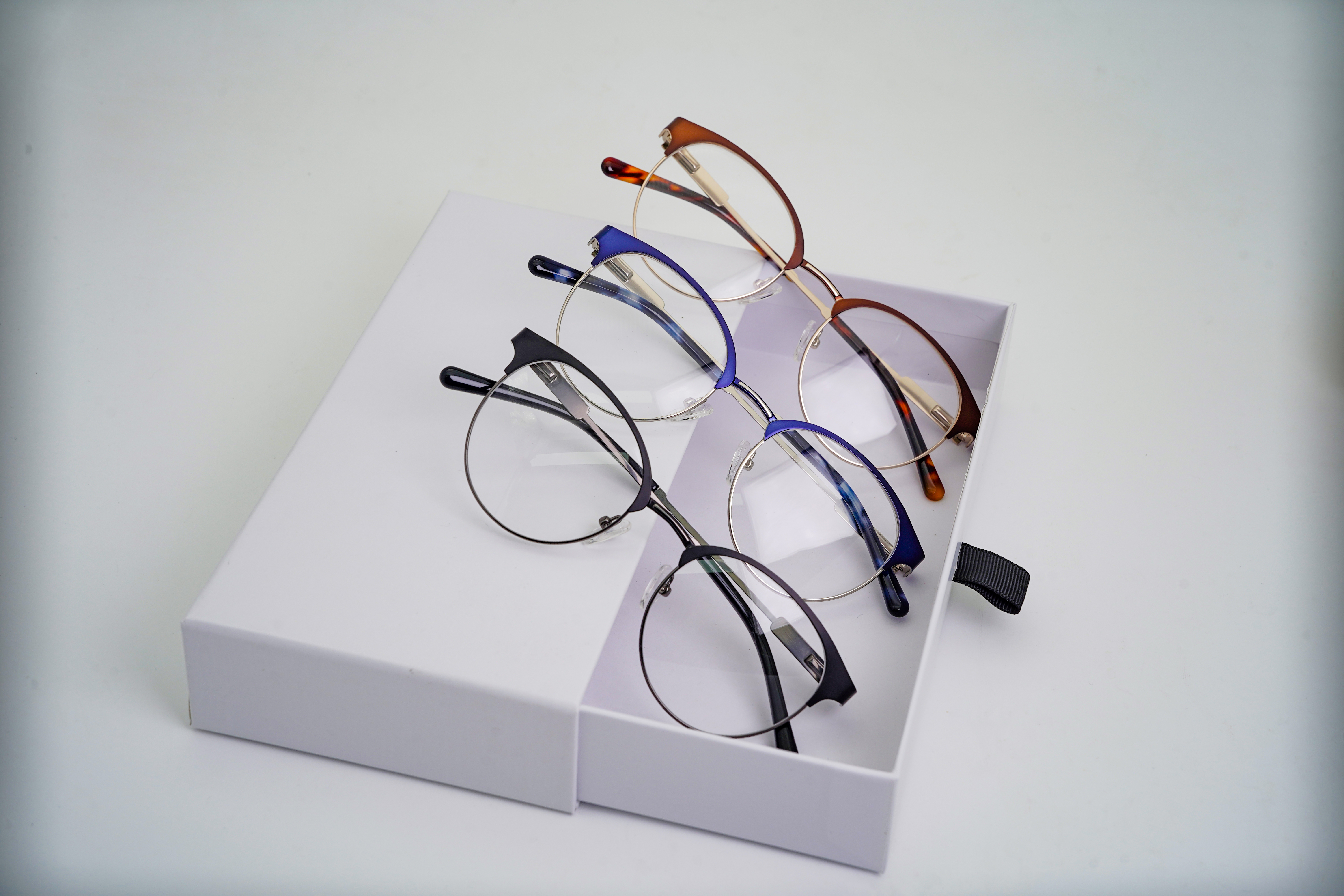
Effective sampling strategies distinguish reliable eyewear OEM factories from those that cut corners. When an eyewear manufacturer implements proper quality control sampling, defect rates drop significantly, production timelines become predictable, and long-term cost savings materialize. The glasses factory environment demands rigorous attention to detail because even minor frame misalignments, lens coating inconsistencies, or hinge assembly issues can cascade into widespread product recalls or customer complaints. This article explores the most common sampling problems encountered with eyewear manufacturers and provides practical, actionable quality control steps to address them systematically.
Understanding Common Sampling Deficiencies
Insufficient Sample Sizes and Selection Bias
Many companies fail to establish mathematically sound sample sizes when working with a glasses factory. Statistical sampling theory demands that sample sizes correspond to batch volumes and acceptable quality levels, yet many eyewear OEM factories operate with ad-hoc, undersized samples that fail to represent true production quality. When an eyewear manufacturer draws samples from only the first or last production run without randomization, selection bias contaminates the entire quality assessment. A proper optical frame manufacturer should use stratified random sampling across the entire production batch, ensuring that inspected units genuinely reflect the broader population.
Inconsistent Inspection Criteria Across Batches
One of the most damaging sampling problems occurs when an eyewear manufacturer applies different quality standards to successive batches. Inconsistent criteria mean that defects acceptable in one shipment become rejectable in the next, creating frustration and supplier disputes. An optical frame manufacturer must establish clear, documented specifications that remain constant regardless of production volume, seasonal demand, or supplier preferences. These specifications should address frame geometry tolerances, lens coating uniformity, color accuracy, hinge functionality, and all other quality dimensions relevant to the product. Written inspection checklists and photographic reference standards prevent subjective interpretation by individual inspectors at the glasses factory.
Implementing Effective Sampling Protocols
Establishing Statistical Sampling Plans
A reputable eyewear manufacturer should employ statistically validated sampling plans aligned with industry standards such as ANSI/ASQ Z1.4 Acceptance Sampling. These plans specify exact sample sizes based on batch size and acceptable quality levels, removing guesswork from the process. When a glasses factory implements proper statistical sampling, the inspection burden remains manageable while defect detection improves dramatically. Many optical frame manufacturers struggle because they lack formal training in sampling mathematics; investing in quality engineer certification or engaging third-party audit firms resolves this gap. The sampling plan should define not only sample size but also acceptance and rejection criteria, ensuring that decision-making remains objective and repeatable.
Stratified Sampling Across Production Stages
An eyewear OEM factory must implement layered sampling that captures quality at multiple production stages rather than waiting until final assembly. Early-stage sampling of frame materials, lens blanks, and coating processes helps identify defects before they propagate through the line. A glasses factory should collect samples from the beginning, middle, and end of each production shift, preventing concentration bias that might miss time-dependent quality drift. Optical frame manufacturers using this approach catch problems like gradual lens coating wear-off or hinge spring degradation before they affect large quantities of finished goods. This multi-point sampling approach transforms quality control from a gate-keeping function into a real-time process optimization tool.
Critical Quality Control Steps
Documented Inspection Records and Traceability
Every eyewear manufacturer must maintain detailed records linking inspection results to specific production batches, dates, and operator identifiers. This traceability enables rapid recall coordination if defects surface after shipment and provides data for continuous process improvement. When a glasses factory records defect types, locations, and frequencies systematically, patterns emerge that point toward root causes in materials, tooling, or operator technique. An optical frame manufacturer should photograph defects and maintain digital archives, creating a visual reference library that accelerates future inspections and training. These records also protect the eyewear OEM factory legally, demonstrating due diligence if customer disputes arise.
Calibration and Equipment Validation
Sampling effectiveness depends entirely on the accuracy of measurement instruments used by the eyewear manufacturer. Optical frame manufacturers must establish rigorous equipment calibration schedules, ensuring that gauges, light boxes, and testing equipment remain within specification. A glasses factory should maintain calibration certificates and conduct periodic verification against certified reference standards, never relying solely on supplier certifications. Uncalibrated equipment introduces systematic error that can mask true defect rates or create false rejections, both destructive to the eyewear OEM factory's credibility. Personnel using measurement tools must receive documented training and pass competency assessments, preventing operator-induced variability that undermines even the best sampling plans.
Communication and Corrective Action Loops
When an eyewear manufacturer identifies defects through sampling, the corrective action process must be immediate and transparent. Communication between the glasses factory and brand quality teams should follow formal procedures: defects documented, root causes investigated, and preventive actions implemented before production resumes. An optical frame manufacturer that resists transparency or delays root cause investigation signals deeper management problems. Brands should require the eyewear OEM factory to report findings within 24 hours and provide corrective action plans within 72 hours. Regular quality meetings between supplier and buyer, reviewing trending data and defect patterns, sustain continuous improvement momentum over time.
FAQ
What sample size does a reputable eyewear OEM factory actually use?
Sample size depends on batch volume and desired confidence levels, typically ranging from 20 to 200 units per batch. An eyewear manufacturer producing 5,000 frames monthly might inspect 125 units per batch under ANSI/ASQ Z1.4 standards, achieving 95% confidence that defect rates remain below acceptable thresholds. The glasses factory should provide justification for their sampling formula, referencing industry standards rather than arbitrary choices. Brands skeptical of sample sizes should consult quality engineering consultants who can validate whether the optical frame manufacturer's approach matches industry best practices and contractual requirements.
How often should an eyewear manufacturer conduct sampling inspections?
Most reputable glasses factories conduct incoming material inspections, in-process inspections at shift intervals, and final product inspections on every batch before shipment. An eyewear OEM factory managing high volumes might implement automated vision systems for high-speed sampling, complemented by manual inspections of complex components like hinges and lens coatings. The optical frame manufacturer should explain their inspection frequency to clients in writing, including any reductions for consistently high-performing suppliers. Seasonal demand spikes sometimes tempt glasses factories to skip inspections to meet deadlines, a red flag that demands contractual enforcement and potentially third-party auditing.
Can third-party auditing replace in-house sampling at an eyewear manufacturer?
Third-party audits provide valuable external validation but cannot replace daily, real-time sampling by the eyewear manufacturer and glasses factory. Audits occur periodically and inspect limited samples, whereas in-house sampling happens continuously and covers entire batches. An optical frame manufacturer should maintain robust internal quality control while welcoming quarterly or semi-annual third-party inspections that verify compliance and provide objective credibility. Brands should require both in-house sampling documentation and external audit reports, creating redundant safeguards against defect escape. This dual-layer approach ensures that the eyewear OEM factory maintains genuine quality discipline rather than performing superficially for auditors only.



