
 EN
Specification Misunderstandings With Your Eyewear Manufacturer: Quality Control in Production
Clarify specs with your eyewear manufacturer to prevent quality failures.
Specification misunderstandings between brands and their eyewear manufacturer partner represent one of the most common sources of production delays, quality issues, and costly rework. When communication breaks down on technical details, material requirements, or dimensional tolerances, the result is finished products that fail to meet expectations. An effective quality control strategy begins long before manufacturing starts—it begins with crystal-clear specification documentation and alignment between both parties.
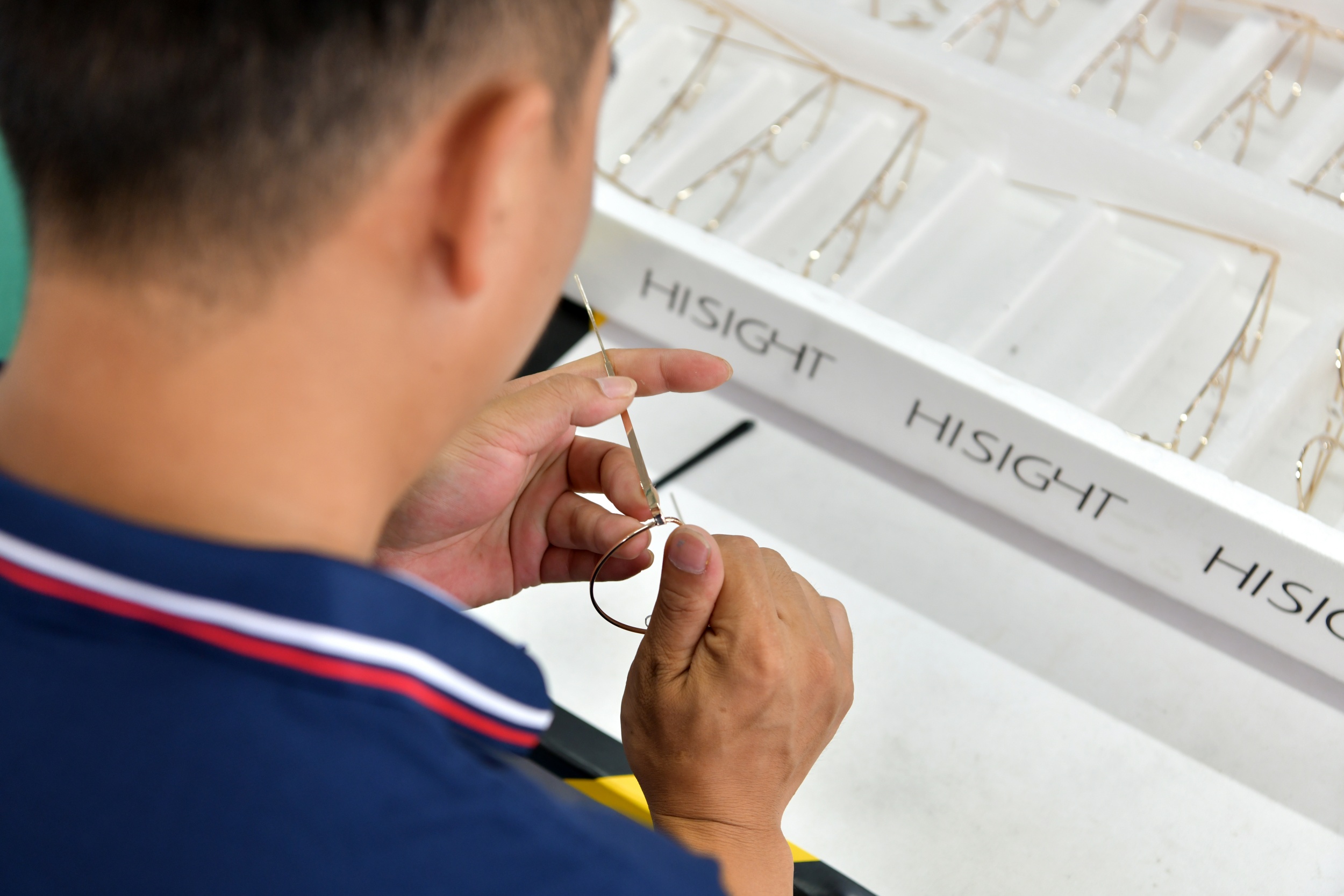
Working with a eyewear manufacturer requires more than submitting a design file and hoping for the best. The gap between intent and execution widens when specifications lack precision, ambiguity exists in technical drawings, or quality standards are never formally defined. This article explores how specification misunderstandings occur, why they matter for your business, and how robust quality control processes prevent them from derailing your production timeline.
Why Specification Misunderstandings Happen in Eyewear Production
Common Causes of Miscommunication
When working with a glasses factory, misunderstandings typically stem from incomplete or ambiguous specifications. Many brands assume their manufacturer understands industry standards or visual intent without documenting exact requirements. Lens coatings, frame material composition, hinge tension, nose pad height, temple length tolerances—these details often get lost in translation between departments or between your team and the factory floor.
Language barriers, time zone delays, and reliance on informal communication channels amplify these gaps. A quick email or phone call may feel sufficient, but without written, detailed specifications in a shared technical format, misinterpretation is inevitable. Different factories apply different default standards, so assuming your glasses factory knows your exact requirements without explicit documentation creates risk.
Impact on Production Timeline and Cost
Specification misunderstandings delay shipment and inflate costs significantly. When an eyewear oem factory discovers halfway through production that your frame width was documented in millimeters but they interpreted it as a percentage relative to a standard size, entire batches may require rework or scrapping. Quality control inspections catch these issues, but the remedy—stopping production, communicating corrections, and restarting—consumes weeks and increases per-unit manufacturing expense.
Beyond financial impact, missed specifications damage brand reputation. Retailers or end customers receiving frames with incorrect dimensions, wrong lens tints, or substandard coatings lose confidence in your quality. An optical frame manufacturer must understand that your specification clarity directly affects their ability to deliver consistent, defect-free products repeatedly.
Establishing Clear Specifications Before Production Begins
Documentation Standards for Your Eyewear Manufacturer
Effective quality control in production starts with a comprehensive technical specification document shared with your eyewear oem factory before any tooling or sample production. This document should include dimensional drawings with tolerances, material certifications, finish requirements, lens prescription ranges if applicable, and any regulatory compliance standards your market requires. Each measurement should use consistent units, and every tolerance should be justified by functional or aesthetic need.
Visual references matter equally. High-resolution photographs, color reference samples, and approved prototype examples help your glasses factory understand the intended final appearance. Written descriptions of texture, gloss level, or color variation limits prevent subjective interpretation. When an eyewear manufacturer receives comprehensive, unambiguous specifications, their quality control team has a clear benchmark for acceptance or rejection at every production stage.
Conducting Pre-Production Alignment Meetings
Before committing to full-scale manufacturing, schedule a formal pre-production review with your optical frame manufacturer's engineering and quality teams. Walk through the specification document together, allowing their technical staff to ask clarifying questions and raise manufacturability concerns. This conversation often reveals assumptions or design details that were unclear in written form. Many factories appreciate this collaborative approach because it reduces their risk of producing out-of-spec inventory.
Agree on specific quality control checkpoints during this meeting. Define which parameters the eyewear oem factory will inspect in-process, what sample sizes they will use, and which results trigger escalation to your team. These checkpoints should align with your most critical specifications—ones that directly affect fit, safety, or brand appearance. When both parties understand where quality control focus belongs, fewer surprises emerge at final inspection.
Quality Control in Production: Preventing Specification Drift
In-Process Monitoring and Verification
A proactive glasses factory implements layered quality control beginning on day one of production. Incoming material inspection confirms that raw materials match your documented specifications—whether that means titanium alloy composition, lens substrate type, or nose pad material. During frame assembly, dimensional verification at key stages ensures tolerances remain within limits before the next operation compounds any deviation.
Your eyewear manufacturer should provide you with periodic in-process reports showing control chart data, defect trends, and corrective actions when specifications drift. This transparency allows you to intervene early rather than discover issues at final shipment inspection. Regular communication about specification compliance builds confidence that quality control rigor matches your expectations and protects both parties from expensive batch rejections.
Sample Approval and First Article Inspection
Before full production runs begin, your eyewear oem factory should produce a small batch of samples for your approval. First article inspection focuses specifically on verifying that samples meet every specification in your technical document. This is the moment to test lens optical performance, measure frame weight distribution, assess hinge smoothness, and verify coating adhesion—not after thousands of units ship.
Document the sample approval in writing with photos and measurements. This creates a reference standard that your glasses factory can use for comparison during production. Any deviation from the approved sample should be treated as a potential specification breach until investigation confirms otherwise. This formal approach prevents casual specification drift that might seem minor in isolation but compounds across large production runs, ultimately damaging your eyewear manufacturer's quality reputation and your brand credibility.
FAQ
What should I include in a detailed specification document for my eyewear manufacturer?
Your specification document must cover dimensional drawings with all tolerances, material grades and certifications, finish requirements (gloss, texture, color), lens specifications if applicable, hinge and nose pad performance standards, UV protection or anti-reflective coating details, regulatory compliance requirements, and visual reference samples. The more specific and quantifiable your requirements, the better your eyewear oem factory can deliver consistent quality.
How often should I communicate with my glasses factory during production?
Establish a communication schedule before production starts—typically weekly check-ins or milestone-based updates work well. Your eyewear manufacturer should provide in-process quality reports showing inspection results and any deviations from specification. More frequent communication early in production and during critical stages reduces the risk of large batches going out of spec before detection.
What happens if my eyewear oem factory finds a specification error during production?
A professional optical frame manufacturer stops production immediately and escalates the issue to your team with photographic evidence and measurement data. Work together to determine whether the specification itself needs revision, the production process needs adjustment, or the factory misunderstood the requirement. Document all changes in writing and implement them carefully to maintain consistency across the rest of the batch and future runs.



