
 EN
Private Label Eyewear Range and Price Planning: Planning Considerations for Buyers and Brands
Discover data-driven range planning, smart pricing frameworks, and ODM partner selection tips. Get your strategy right—download the full guide.
Developing a successful private label eyewear strategy requires careful consideration of product range, pricing structure, and manufacturing partnerships. Whether you are a retailer, distributor, or emerging eyewear brand, understanding how to balance quality, cost, and market positioning is essential for sustainable profitability. This comprehensive guide explores the critical planning considerations that buyers and brands must evaluate when entering the private label eyewear market.
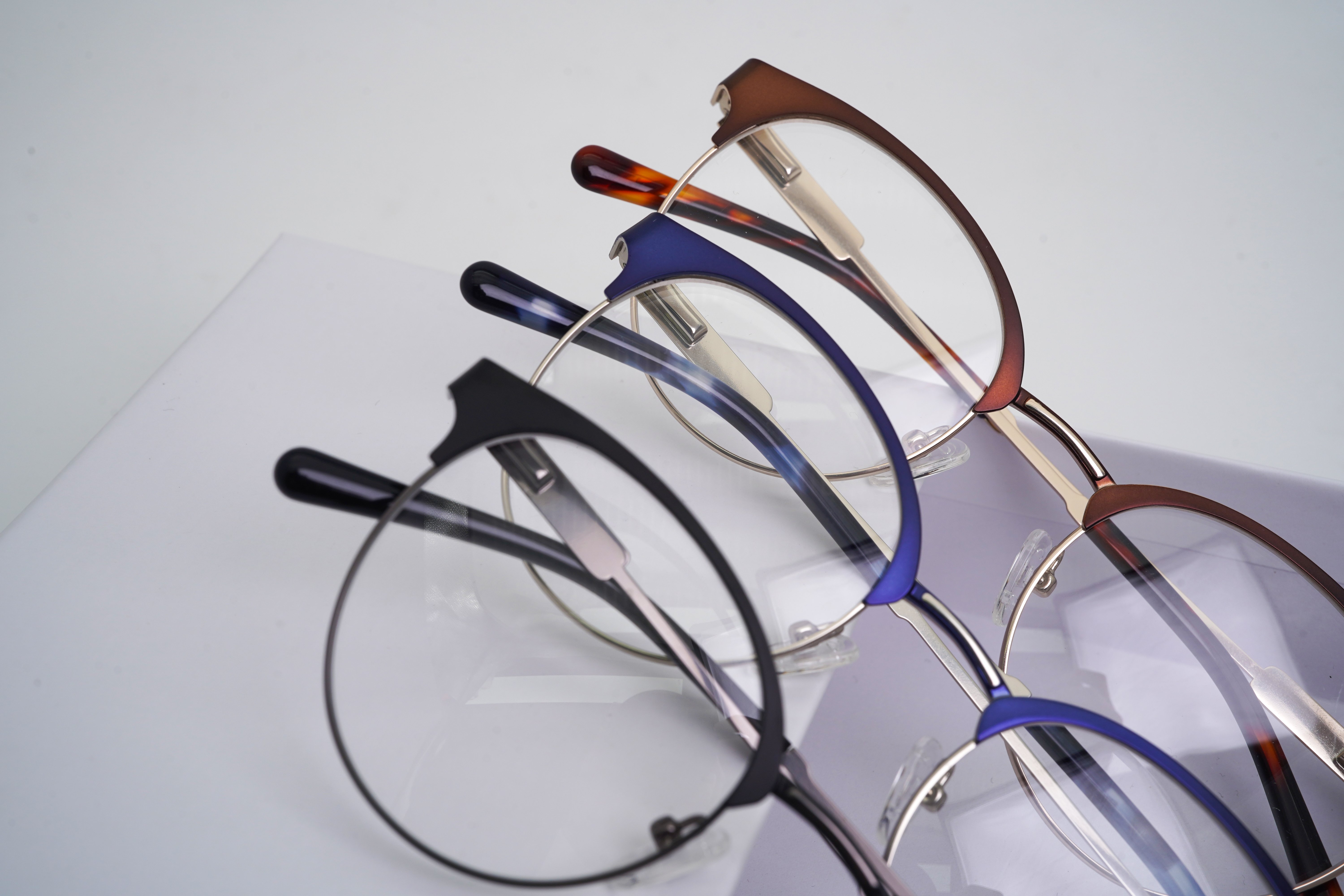
The eyewear industry has transformed dramatically over the past decade, with white label glasses and custom manufacturing becoming increasingly accessible to businesses of all sizes. Companies now have the opportunity to build distinctive brands without maintaining expensive in-house production facilities. Understanding the dynamics of brand eyewear manufacturing and eyewear ODM options enables informed decision-making throughout your product development cycle.
Understanding Your Target Market and Product Range Strategy
Defining Market Position and Customer Segments
Before selecting specific white label glasses styles, you must clearly define your target customer demographic and market positioning. Are you targeting budget-conscious consumers, premium fashion-forward buyers, or health-conscious professionals seeking blue-light filtering options? Your market position directly influences which eyewear ODM partners align with your vision and quality standards. Understanding customer preferences regarding frame materials, colors, sizes, and functionality helps shape your initial product range.
Market research should include competitive analysis, demographic studies, and consumer trend forecasting. Successful brands identify unmet needs within specific customer segments rather than attempting to serve the entire eyewear market. Private label eyewear allows you to differentiate through curated selection, brand storytelling, and customer experience rather than competing solely on price.
Range Depth and Portfolio Balance
Your initial private label eyewear range should balance breadth with manageability. Most successful brands launch with 15 to 30 core styles across different categories: classic frames, trending silhouettes, premium options, and value-oriented selections. This range provides customers with choice while maintaining operational simplicity and inventory efficiency. Brand eyewear manufacturing partners typically recommend starting with focused collections rather than overwhelming assortments.
Consider frame material diversity within your range. Acetate frames offer design flexibility and vibrant colors, while metal frames appeal to minimalist and professional segments. Combination frames blend both materials for modern aesthetics. An effective eyewear ODM strategy includes materials that serve different market segments and seasonal trends. Regular portfolio review helps identify underperforming styles and guides additions that address emerging customer demand.
Strategic Pricing and Cost Analysis Framework
Understanding Manufacturing Costs and Margin Requirements
Pricing private label eyewear requires transparent understanding of your complete cost structure. Manufacturing costs typically represent 25 to 40 percent of final retail price, depending on frame complexity, materials, and order volume. White label glasses sourcing involves per-unit production costs, but volume commitments often reduce unit pricing significantly. Working with eyewear ODM manufacturers, clarify pricing tiers: what costs apply at 100-unit, 500-unit, 1000-unit, and higher volume thresholds.
Beyond manufacturing, calculate packaging, labeling, quality control, shipping, and warehousing expenses. Many new brands underestimate logistics costs when planning private label eyewear profitability. Establish target gross margins before committing to manufacturing partnerships. Typical retail eyewear margins range from 55 to 75 percent, allowing room for distribution costs, marketing, customer acquisition, and operational overhead. Your pricing must support long-term business sustainability, not just cover immediate manufacturing expenses.
Competitive Pricing and Market Positioning
Price positioning reflects brand perception and market segment. Ultra-premium private label eyewear carries higher price points justified by superior materials, craftsmanship, and brand positioning. Mid-market white label glasses target style-conscious consumers willing to invest in quality without luxury pricing. Value-oriented eyewear ODM products emphasize affordability and fashion trends. Your pricing strategy should align consistently with your brand promise and target customer expectations.
Monitor competitor pricing while avoiding race-to-bottom dynamics that erode margins. Private label eyewear success depends on differentiation through design, quality, or customer experience rather than competing primarily on price. Consider implementing tiered pricing within your range: foundation styles at accessible price points build customer loyalty, while premium selections drive higher margins. Regular pricing analysis ensures competitiveness while protecting profitability.
Manufacturing Partnership Selection and Quality Assurance
Evaluating Eyewear ODM and White Label Manufacturers
Selecting the right brand eyewear manufacturing partner fundamentally impacts your business success. Evaluate potential eyewear ODM suppliers based on production capacity, design capabilities, quality standards, lead times, and minimum order quantities. Request product samples across different styles and price points to assess quality consistency. Verify that manufacturers hold relevant certifications for optical products and comply with applicable safety and material standards in your target markets.
Communication clarity and responsiveness matter greatly when managing private label eyewear production. Establish clear specifications for each style: lens-ready or complete frames, coating options, hardware finishes, temple length ranges, and packaging requirements. White label glasses manufacturers should provide detailed specifications, production timelines, and quality control procedures. Building strong relationships with your eyewear ODM partner enables faster iteration, design refinements, and responsive scaling as your brand grows.
Quality Control and Brand Protection
Implement rigorous quality control processes for every production run of private label eyewear. Request sample inspection reports, durability testing results, and defect documentation. Establish clear rejection criteria and defect tolerance levels with your white label glasses manufacturer. Inconsistent quality damages brand reputation and customer loyalty far more than reasonable price adjustments impact sales. Brand eyewear manufacturing partnerships should include warranty support and replacement procedures for defective items.
Protect your brand identity through clear labeling specifications and packaging design. Work with your eyewear ODM partner to ensure your branding appears consistently across all customer touchpoints. Consider securing intellectual property protection for distinctive designs or color combinations. Documentation and quality photography help establish design ownership and prevent unauthorized copying.
FAQ
What is the typical minimum order quantity for private label eyewear?
Minimum order quantities for private label eyewear vary by manufacturer and frame style, typically ranging from 100 to 500 units per design. Some white label glasses suppliers accommodate lower volumes for premium customers or established brands, while eyewear ODM manufacturers serving larger retailers may require 1,000-unit minimums. Negotiate based on your business size, growth projections, and relationship potential with your manufacturing partner.
How long does brand eyewear manufacturing typically take?
Production timelines for white label glasses generally range from 6 to 12 weeks from order placement to delivery. This includes design finalization, tooling adjustments if needed, production runs, quality inspection, and shipping. Eyewear ODM manufacturers may offer expedited production at premium costs. Plan inventory carefully by forecasting seasonal demand and placing orders accordingly to avoid stockouts or excess inventory.
Can I customize designs when working with eyewear ODM partners?
Yes, brand eyewear manufacturing typically includes design customization options. Most white label glasses manufacturers offer color variations, material selections, and hardware finish choices for existing frame styles. Significant design modifications or completely original frames require higher minimum orders and longer development timelines. Work closely with your eyewear ODM partner's design team to balance customization aspirations with cost and production feasibility constraints.



