
 EN
Testing Reports Needed for Private Label Eyewear Sales: A Technical Guide for Eyewear Buyers
Discover mandatory ANSI/ISO, UV, optical, durability & REACH compliance docs—plus how third-party certs boost trust and margins.
Selling private label eyewear requires more than attractive designs and competitive pricing. Buyers, retailers, and distributors demand comprehensive testing reports that verify safety, compliance, and quality standards before committing to orders. Understanding which testing reports are essential for private label eyewear sales is critical to building trust, avoiding regulatory penalties, and establishing your brand as a reliable supplier in the competitive eyewear market.
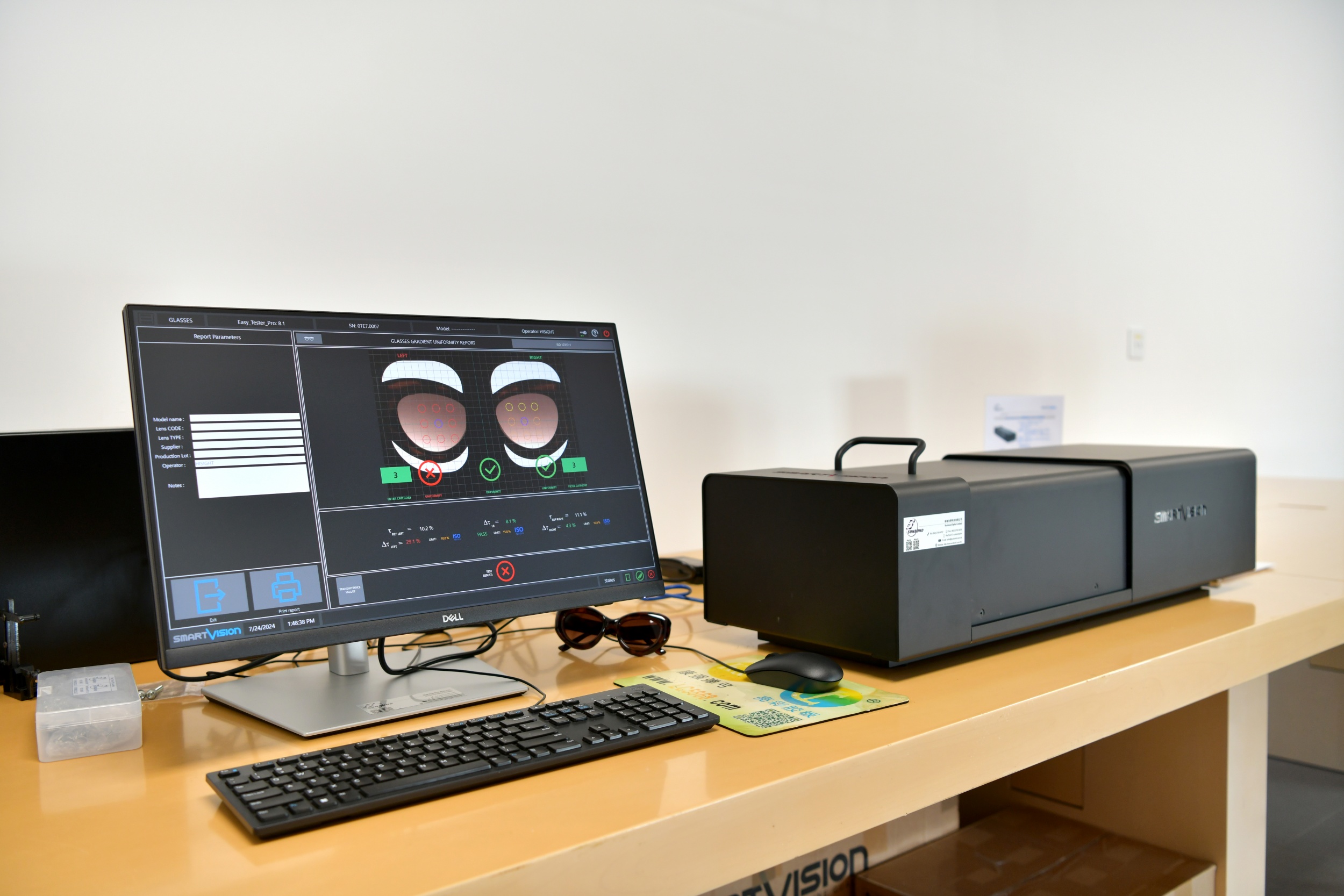
The eyewear industry operates under strict regulatory frameworks that vary by region. Whether you are developing white label glasses, managing brand eyewear manufacturing operations, or working with eyewear ODM partners, the documentation you provide directly influences buyer confidence and market acceptance. This technical guide walks you through the mandatory, recommended, and competitive testing reports that professional eyewear buyers expect to see before placing orders.
Regulatory and Safety Compliance Testing
Impact Resistance and Material Safety Standards
Impact resistance testing is foundational for all eyewear, especially for private label eyewear sold across multiple markets. This testing measures how lens materials withstand sudden mechanical shock and verifies that frames do not splinter or break into dangerous fragments. In North America, the ANSI Z87.1 standard governs impact resistance for safety eyewear, while ISO 12312-1 applies to sunglasses and general eyewear in Europe. White label glasses must meet these standards to be legally sold in regulated markets. The test involves dropping a weighted steel ball from a specified height onto the lens and measuring whether it cracks, splinters, or passes intact.
Material composition analysis is equally critical. Brand eyewear manufacturing facilities must certify that all materials—acetate, metal, hinges, screws, and adhesives—are free from prohibited substances. Heavy metals testing ensures compliance with restrictions on lead, cadmium, and mercury. Nickel release testing applies to metal frames and hinges, as nickel allergy affects a significant portion of eyewear consumers. These reports provide buyers with confidence that your eyewear ODM process maintains strict quality controls and meets international health standards.
UV Protection and Light Transmission Testing
For tinted and polarized eyewear, UV protection certification is non-negotiable. Testing laboratories measure the percentage of ultraviolet radiation blocked at 280 nm, 315 nm, and 380 nm wavelengths. Eyewear ODM suppliers must provide spectrophotometry reports confirming that lenses block 99 to 100 percent of UVA and UVB rays. Light transmission testing measures how much visible light passes through the lens, critical for sunglasses and specialty lenses. These reports directly influence retailer buying decisions because consumers increasingly research product safety specifications before purchase.
Optical Performance and Durability Verification
Lens Optics and Refractive Power Testing
For optical eyewear containing prescription lenses, refractive power testing confirms that lenses match specified power, prism, and axis values within acceptable tolerances. ISO 13511 standards define acceptable ranges for lens curvature, thickness, and optical center positioning. Brand eyewear manufacturing processes must include automated lens scanning and measurement to verify these parameters for every lens batch. White label glasses with prescription capabilities require detailed optical inspection reports that buyers can cross-reference with their own quality checks before distribution. This testing is especially important because optical errors directly affect wearer vision and safety.
Prism and axis measurement becomes critical for multifocal and progressive lenses. Testing reports must clearly document the power in the distance zone, intermediate zone, and near zone, as well as any inherent prism. When private label eyewear includes advanced optical designs, transparent laboratory documentation builds buyer confidence in your manufacturing precision and commitment to optical quality standards.
Frame Durability and Mechanical Stress Testing
Frames must withstand daily wear, storage, and transport without deformation or damage. Durability testing includes repeated hinge flexing—typically 100,000 cycles—to verify that hinges do not loosen, crack, or fail prematurely. White label glasses undergo bridge stress testing where controlled force is applied across the bridge to ensure the frame does not snap under normal pressure. Nose pad adhesion testing confirms that silicone or plastic pads remain securely bonded. Eyewear ODM facilities must document these results with photographic evidence and numerical data showing pass/fail status for each test parameter.
Corrosion resistance testing applies to metal frames and metallic components. Salt-spray testing simulates coastal and humid environments, verifying that plating, finish, and materials resist rust and oxidation. These durability reports directly address buyer concerns about product longevity and warranty claims. Professional retailers rely on this data to set return and warranty policies, so transparent testing documentation strengthens your commercial relationships.
Manufacturing Quality and Traceability Documentation
Batch Testing and Quality Control Certificates
Comprehensive testing reports for private label eyewear must include batch-level traceability. Each production batch should have a unique identifier linked to material sourcing, manufacturing date, testing date, and test facility. Quality control certificates document that random samples from each batch passed all required tests. Brand eyewear manufacturing operations that implement statistical process control can provide additional credibility by showing trend analysis across multiple batches. This approach demonstrates consistent quality rather than isolated compliance snapshots.
Third-party laboratory certification adds significant value. Independent testing facilities like SGS, Intertek, or comparable laboratories issue reports that carry weight with institutional buyers, major retailers, and regulatory authorities. White label glasses backed by accredited third-party testing reports command higher confidence in distribution channels. When sourcing eyewear ODM partners, professional buyers specifically request third-party lab certifications because in-house testing alone raises questions about independence and objectivity.
Chemical Composition and Allergen Disclosure Reports
Detailed material safety data sheets and chemical composition reports are increasingly demanded by international buyers. These documents list all raw materials, manufacturing chemicals, adhesives, and coatings, along with their chemical composition and potential allergen content. Private label eyewear sold in the European Union must comply with the REACH regulation, which restricts certain chemicals and requires detailed substance declarations. Buyers in North America increasingly request similar documentation to meet consumer transparency standards and reduce liability exposure.
Allergen disclosure is particularly important for nickel-sensitive consumers and those with sensitivities to coatings or adhesive compounds. Testing reports that quantify nickel content and verify hypoallergenic material usage become competitive advantages. Eyewear ODM suppliers that provide comprehensive chemical disclosure reports position themselves as premium, safety-conscious manufacturers capable of serving environmentally and health-conscious retailers and consumers.
FAQ
What are the minimum testing reports required to sell private label eyewear internationally?
The minimum testing requirements depend on your target market. For North America, impact resistance (ANSI Z87.1), UV protection, and material safety testing are mandatory. European markets require impact resistance (ISO 12312-1), UV protection, and REACH chemical compliance. Most professional buyers expect third-party laboratory certification for all tests. White label glasses and eyewear ODM products should include batch traceability documentation and quality control certificates. Additional testing like optical power verification and durability reports strengthens buyer confidence and reduces transaction friction.
How do testing reports affect brand eyewear manufacturing competitiveness?
Comprehensive testing documentation directly influences buyer purchasing decisions and retail pricing power. Retailers and distributors use testing reports to justify price positioning, set warranty terms, and market product safety features to consumers. Private label eyewear supported by third-party laboratory reports typically commands 10-15 percent higher margins because buyers perceive lower quality risk. Brand eyewear manufacturing facilities that proactively provide extensive testing reports—including durability, chemical composition, and allergen data—differentiate themselves from competitors who offer minimal documentation. This transparency builds long-term buyer relationships and reduces contract negotiations.
Can private label eyewear suppliers avoid some testing requirements?
Certain testing requirements are regulatory mandates and cannot be avoided. Impact resistance and UV protection testing must be completed before entering regulated markets. However, supplementary testing like durability certification, optical quality verification, and chemical composition analysis remains discretionary. White label glasses manufacturers can choose to include or exclude these tests based on target market positioning. Eyewear ODM suppliers operating at premium price points typically include comprehensive testing, while budget-focused manufacturers may provide only mandatory compliance documentation. The strategic choice depends on your intended distribution channel, buyer expectations, and competitive positioning in the market.



