
 EN
Private Label Eyewear vs Custom-Designed Eyewear: Key Differences for Buyers
Discover cost, time-to-market, IP control, and ROI trade-offs. Choose the right model for your brand—get insights now.
The eyewear industry offers multiple pathways for brands seeking to launch or expand their product lines, and understanding the distinctions between private label eyewear and custom-designed eyewear is essential for making informed purchasing decisions. Many businesses confuse these two approaches, yet they serve different strategic purposes and involve different levels of investment, control, and customization. Whether you are a retailer, distributor, or emerging eyewear brand, choosing the right manufacturing model directly impacts your product quality, brand identity, time-to-market, and profitability.
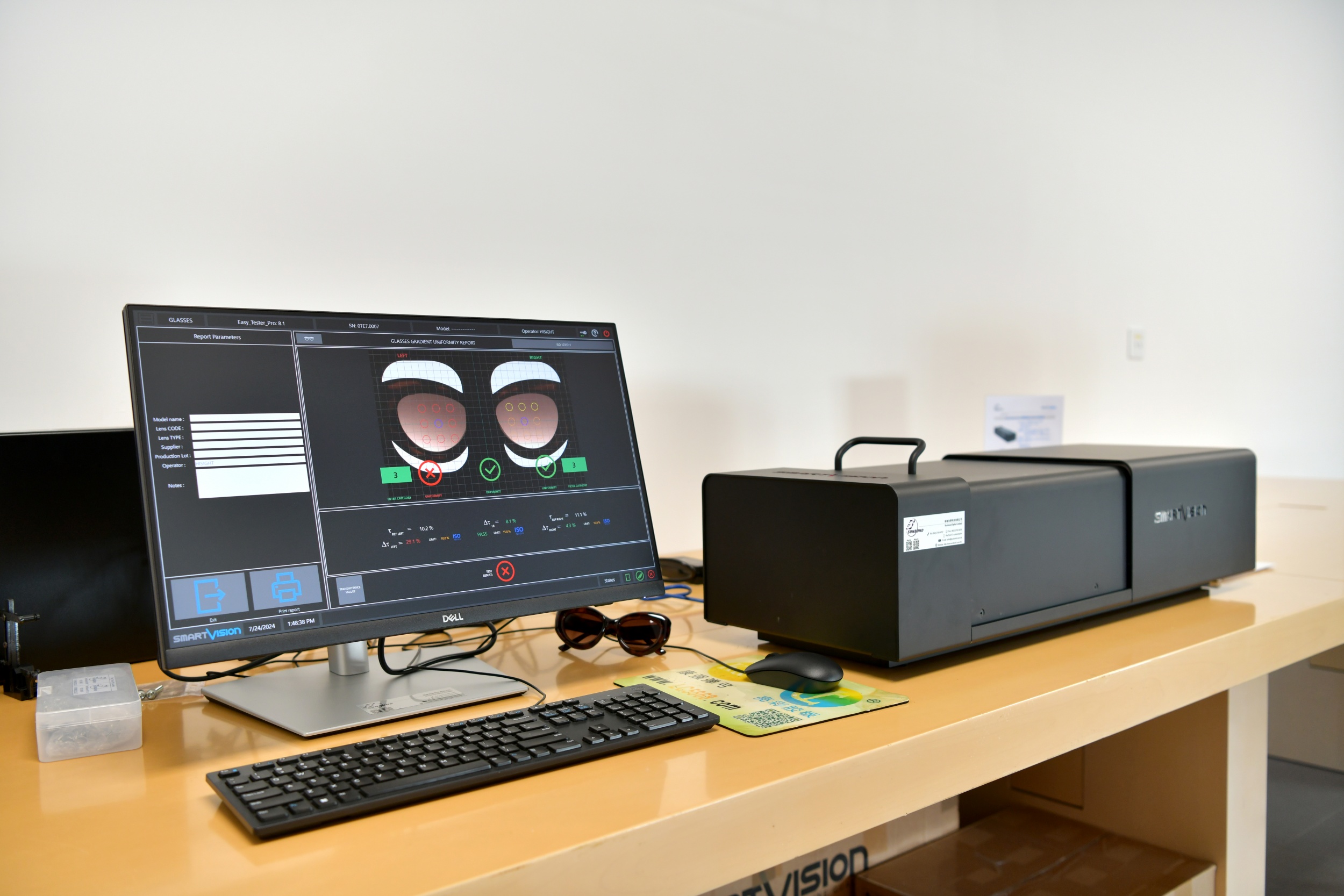
This guide explores the key differences between private label eyewear and custom-designed eyewear, helping you evaluate which model aligns with your business objectives, production timeline, and brand vision. By examining the structural differences, cost implications, design flexibility, and practical considerations of each approach, you will be equipped to make a strategic choice that supports your growth.
Understanding Private Label Eyewear and Custom Design Models
What Private Label Eyewear Represents
Private label eyewear refers to eyewear products manufactured by one company but sold under another brand's name or private label. The manufacturer produces standardized frame designs, lens options, and finishes that already exist in their catalog, and your brand purchases these finished or semi-finished products and applies your own branding, packaging, and labeling. This model works similarly to white label glasses, where the manufacturer handles production while you manage branding and distribution. Private label eyewear is typically the faster and more cost-effective option because the manufacturer has already invested in tooling, mold development, and quality systems for these designs.
What Custom-Designed Eyewear Entails
Custom-designed eyewear, often referred to as eyewear odm or original design manufacturing, involves developing completely new frame designs specifically tailored to your brand specifications. With this approach, you collaborate closely with brand eyewear manufacturing partners to create unique shapes, materials, colors, finishes, and structural features that distinguish your collection from competitors. The eyewear odm process includes concept development, prototype iterations, tooling investment, and dedicated production runs for your designs. This model requires longer lead times and higher minimum order quantities but delivers truly differentiated products that reflect your brand identity and market positioning.
Cost, Investment, and Time-to-Market Comparison
Financial and Timeline Implications of Each Model
Private label eyewear typically involves lower upfront costs because the manufacturer bears the expense of design development, tooling, and mold creation. You pay primarily for materials, labor, and brand eyewear manufacturing labor, plus packaging and branding costs. Lead times are generally shorter, ranging from six to twelve weeks depending on order volume and current production capacity. Minimum order quantities are often more accessible for smaller brands, enabling you to launch with limited capital investment. Custom-designed eyewear, by contrast, requires significant tooling investments that can range from five to twenty thousand dollars or more per frame design, depending on complexity and material. The eyewear odm model extends time-to-market by four to six months or longer when factoring in design cycles, sampling, tooling, and initial production setup.
Return on Investment and Profitability Considerations
Private label eyewear allows faster inventory turnover and quicker return on investment because you enter the market quickly with proven designs. However, you may experience lower margin potential if multiple brands source the same frames, reducing your competitive differentiation. Custom-designed eyewear demands longer capital recovery cycles but often supports higher margins and stronger brand loyalty once the product establishes market presence. The choice between white label glasses and custom designs ultimately depends on your financial runway, expected sales velocity, and brand positioning strategy.
Design Control, Differentiation, and Brand Identity
Customization and Intellectual Property Considerations
With private label eyewear, your design control is limited to existing catalog options. You can select from available colors, sizes, and material choices, and apply your branding, but you cannot modify frame geometry, lens shape, or core structural features. This limitation means your eyewear may closely resemble products offered by competing brands who source from the same manufacturer. Brand eyewear manufacturing through private label models does not grant exclusive design rights, so the same frame may be available under multiple brand names simultaneously. Custom-designed eyewear provides full intellectual property ownership and design exclusivity when properly contracted. You control every aspect of the frame design, including unique shape dimensions, material selections, hinge mechanisms, and finish effects. This exclusivity strengthens brand differentiation and prevents direct replication by competitors.
Market Positioning and Competitive Advantage
Private label eyewear suits brands seeking rapid market entry, multiframe portfolios, or testing market demand before committing to custom tooling. Eyewear odm and custom-designed approaches serve brands prioritizing unique identity, premium positioning, and long-term competitive moat. If your target market values distinctive design and brand authenticity, custom designs justify the investment. If your strategy emphasizes volume, accessibility, and quick adaptation to trends, private label eyewear offers superior efficiency and risk reduction.
Production Quality, Consistency, and Supply Chain Stability
Manufacturing Standards and Quality Assurance
Both private label eyewear and custom-designed eyewear can achieve high quality standards when sourced from reputable manufacturers. Private label models benefit from established production processes, quality control procedures, and material standards refined through multiple production cycles. The frames have been tested in market, and design issues have typically been resolved before your brand purchases them. However, quality consistency depends entirely on the manufacturer's standards and your oversight. Custom-designed eyewear quality depends on the eyewear odm partner's expertise, design-for-manufacturability practices, and commitment to your specifications. The first production runs of custom designs carry higher risk of quality issues or design refinement needs, requiring thorough prototype and pre-production sampling before full-scale production.
Supply Chain Resilience and Order Flexibility
Private label eyewear offers better supply chain flexibility because the manufacturer maintains existing inventory and production capacity for popular designs. Reorders are typically faster, and you can often request smaller quantities for inventory replenishment. Brand eyewear manufacturing through white label glasses models allows you to adjust style mix and order volumes based on market feedback. Custom-designed eyewear involves longer lead times for reorders because production must be scheduled and tooling used specifically for your designs. If market demand exceeds projections, reorder delays may constrain your ability to capitalize on sales momentum. Conversely, if demand underperforms, you face inventory risk because custom tools cannot easily produce alternative designs.
FAQ
What is the primary difference between private label eyewear and custom-designed eyewear?
The primary difference is design ownership and control. Private label eyewear uses existing frame designs manufactured for multiple brands, while custom-designed eyewear involves creating unique designs exclusively for your brand. Private label eyewear offers faster time-to-market and lower upfront investment, while custom-designed eyewear demands higher costs and longer timelines but delivers design exclusivity and stronger brand differentiation.
Which approach is best for launching a new eyewear brand quickly?
Private label eyewear is typically best for rapid launch because production and tooling are already complete, allowing you to focus on branding, marketing, and distribution. White label glasses models let you introduce multiple frame styles within weeks rather than months. However, if brand differentiation is critical to your positioning, the eyewear odm investment may be necessary even for launch, as generic private label designs may not establish strong market identity.
Can I switch from private label eyewear to custom-designed eyewear later?
Yes, many successful brands begin with private label eyewear to validate market demand and build initial revenue, then transition to eyewear odm and custom designs as cash flow and brand recognition strengthen. This staged approach reduces risk while allowing you to test market positioning. Once you identify bestselling styles and customer preferences through private label sales, you can commission brand eyewear manufacturing partners to create custom designs that capitalize on proven market fit and support premium positioning.



