
 EN
Ready Designs vs Fully Custom Private Label Eyewear Development Paths: Key Differences for Buyers
Compare timelines, costs, IP control & scalability—make the right private label decision. Download our buyer's guide.
Launching a successful eyewear brand requires strategic decisions about product development approach. Many entrepreneurs and established retailers face a critical choice between leveraging ready-made designs and investing in fully custom private label eyewear solutions. Understanding the distinctions between these two paths directly impacts your timeline, investment, brand differentiation, and market competitiveness. Each approach offers unique advantages and constraints that align differently with business goals, budget capacity, and market positioning.
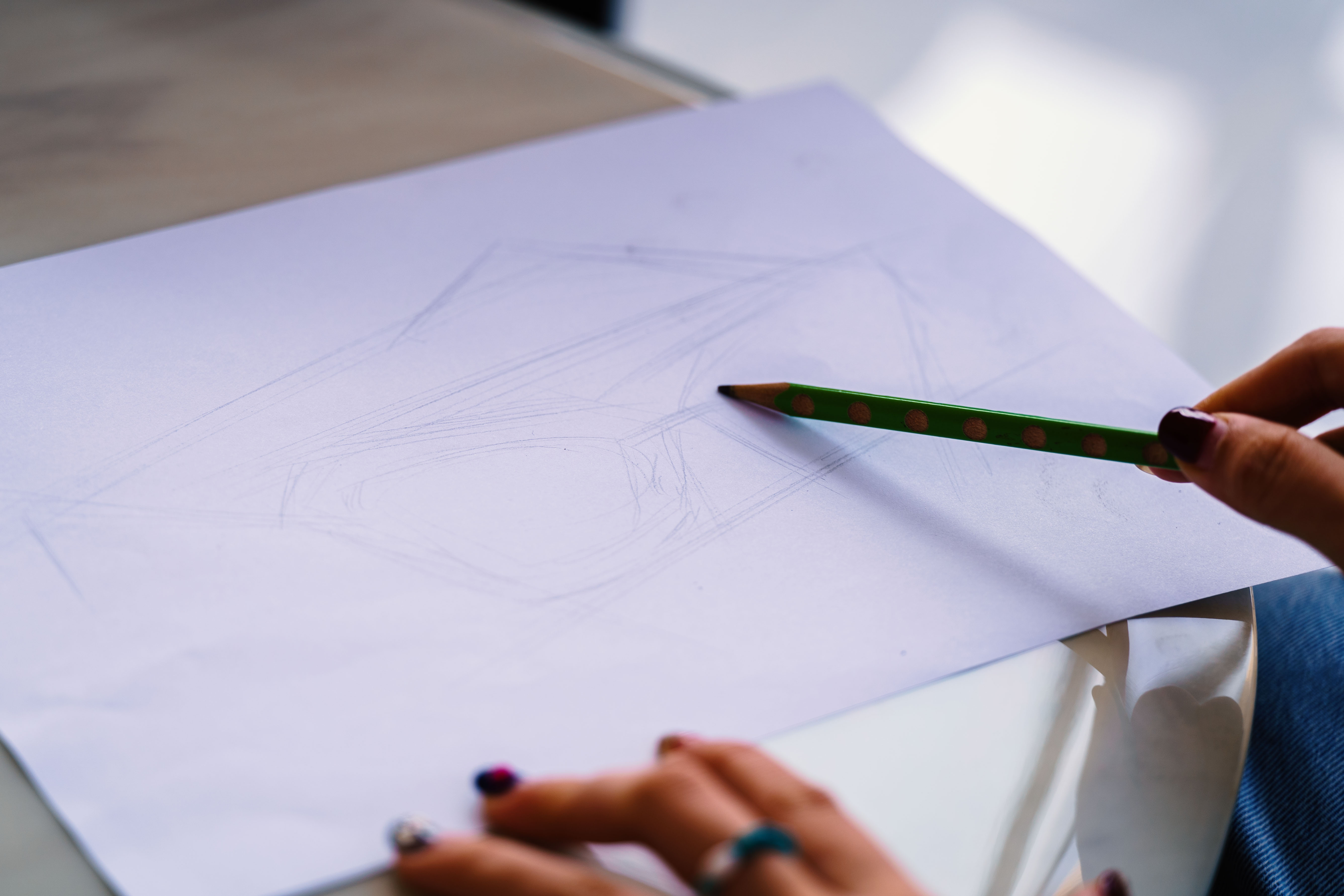
The eyewear industry has matured significantly, creating robust infrastructure for both rapid-deployment and innovation-focused manufacturing partnerships. Whether you prioritize speed-to-market, design uniqueness, cost efficiency, or brand storytelling will determine which development path serves your business best. This guide examines the fundamental differences, practical implications, and decision factors for buyers navigating private label eyewear options.
Ready-Made Designs: Speed and Simplicity
Understanding the Ready Design Model
Ready designs in brand eyewear manufacturing represent pre-engineered products already tooled, tested, and held in inventory by manufacturers or white label glasses suppliers. These frames come in established colors, materials, and specifications that you can brand with your logo, packaging, and marketing messaging. The manufacturer retains ownership of the core design intellectual property while granting you distribution and branding rights under your label.
This model eliminates the design development phase entirely. Your eyewear odm partner has already invested in mold creation, quality validation, and production scaling. You simply select from their existing catalog, negotiate pricing, order quantities, and proceed directly to branding and fulfillment. This approach dramatically compresses your go-to-market timeline from months to weeks.
Cost Structure and Investment Requirements
Ready designs require minimal upfront capital compared to custom development. You avoid tooling costs, which for eyewear frames typically range from fifteen thousand to fifty thousand dollars depending on complexity. With white label glasses, you pay only for the actual product units you order, plus branding customization fees for packaging, logo placement, and optional minor modifications.
The per-unit cost for ready designs is naturally higher than custom manufacturing at scale, since tooling expenses are distributed across fewer total units and the manufacturer maintains inventory carrying costs. However, the lower minimum order quantities and eliminated development expenses make this financially viable for smaller launches, test markets, or brands prioritizing cash flow preservation over per-unit economics.
Fully Custom Development: Differentiation and Control
The Custom Manufacturing Advantage
Custom private label eyewear development means partnering with an eyewear odm to design, engineer, and manufacture frames exactly matching your brand vision. You control every aesthetic element: shape, material, color options, hinge mechanisms, temple details, lens compatibility, and packaging presentation. This level of customization creates genuine brand differentiation in a competitive market.
Custom brand eyewear manufacturing involves collaborative design phases, prototype iterations, compliance validation, and dedicated tooling created specifically for your specifications. Your partner invests in creating unique molds and production processes tailored to your requirements. This exclusivity means competitors cannot easily replicate your design, protecting your market position and brand identity.
Investment, Timeline, and Scale Economics
Custom private label eyewear demands substantially higher upfront investment. Tooling costs alone typically require fifteen thousand to sixty thousand dollars depending on frame complexity, material selection, and manufacturing region. Design consultation, engineering validation, and compliance testing add another five thousand to fifteen thousand dollars. Total initial investment often exceeds fifty thousand dollars before producing a single unit.
Timeline extends considerably as well. Custom eyewear odm projects typically require four to six months from design approval to first production shipment, compared to four to six weeks for ready designs. However, once tooling is complete, per-unit production costs decline significantly below ready-design pricing when ordering in substantial volumes. This economics model favors brands planning long-term market presence and volume growth.
Key Differentiation Factors for Buyer Decision-Making
Brand Positioning and Market Differentiation
Ready designs position your brand within existing product categories but limit uniqueness. Your frames will resemble offerings from competing white label glasses brands using identical molds. This approach works well for value-focused retailers, niche markets with less design emphasis, or brands entering established categories without design innovation as a core differentiator.
Custom brand eyewear manufacturing enables authentic differentiation through distinctive design language. Luxury brands, fashion-forward retailers, and design-focused companies leverage private label eyewear customization to create memorable products that justify premium pricing and build customer loyalty. Unique frames become part of your brand narrative, supporting marketing and customer retention strategies.
Resource Allocation and Operational Complexity
Ready designs minimize internal operational requirements. You handle branding, marketing, sales, and customer service without managing design teams, engineering resources, or development project coordination. This efficiency suits bootstrapped startups, retailers adding eyewear as a secondary category, or teams with limited manufacturing expertise.
Custom private label eyewear requires more substantial operational investment in design leadership, project management, and quality oversight. You coordinate with your eyewear odm through design phases, provide feedback on prototypes, validate compliance requirements, and manage production scaling. These responsibilities demand dedicated attention but create deeper product knowledge and market flexibility.
FAQ
Can I start with ready designs and transition to custom private label eyewear later?
Yes, many successful eyewear brands follow this progression. Starting with white label glasses allows you to validate market demand, build customer relationships, and generate revenue with minimal risk. Once you establish sales traction and understand customer preferences, you can invest in custom brand eyewear manufacturing to differentiate and expand margins. Your eyewear odm partner can help you transition smoothly while maintaining your existing ready-design sales.
What are the minimum order quantities for ready designs versus custom private label eyewear?
Ready designs typically require minimum orders of five hundred to two thousand units per style and color combination. Custom private label eyewear projects usually have higher minimums ranging from one thousand to five thousand units per design, reflecting the substantial tooling investment. However, custom projects often include higher unit quantities because per-unit economics only become favorable at scale.
How does intellectual property protection differ between ready designs and custom eyewear odm arrangements?
With ready designs, you gain brand intellectual property through your logo, packaging, and marketing but not the frame design itself. Your eyewear odm partner retains design rights and can license identical frames to other brands. Custom brand eyewear manufacturing grants you exclusive use of your specific designs through proprietary tooling and contractual arrangements. Your partner cannot manufacture identical frames for competitors, protecting your design differentiation and market position.



