
 EN
Keeping Brand Consistency Across Private Label Eyewear Batches: Practical Quality Control Steps
Discover proven QC steps to lock in brand color, fit & finish—every time. Get your free QC checklist now.
Maintaining consistent quality across multiple batches of private label eyewear is one of the most critical challenges facing brands in the eyewear industry today. Whether you are launching your first collection or managing an established line, quality inconsistencies between batches can damage brand reputation, reduce customer loyalty, and trigger costly returns. The difference between a thriving private label eyewear business and one that struggles often comes down to systematic quality control practices applied consistently from batch to batch.
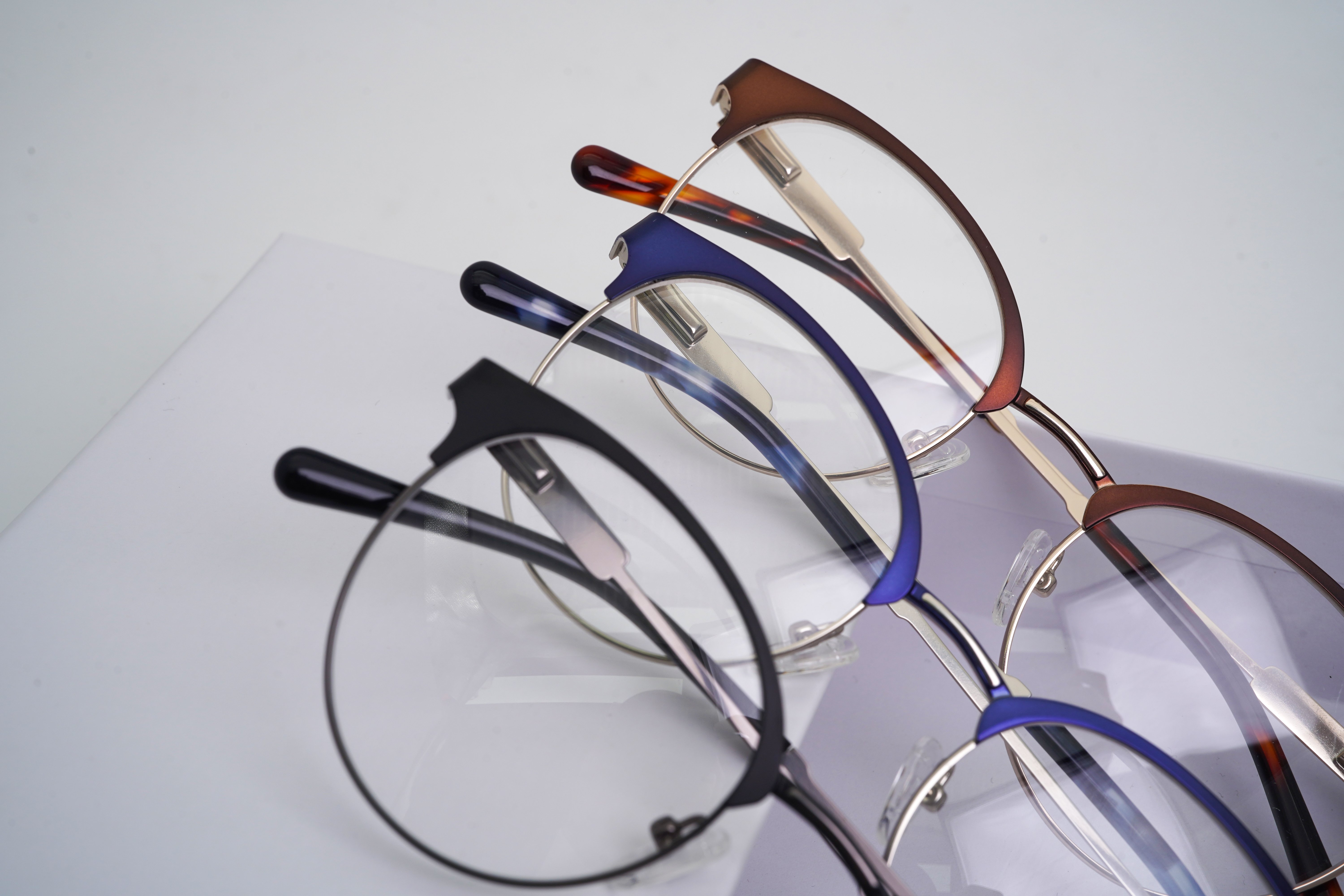
Building a robust quality control framework requires understanding how white label glasses and eyewear ODM partnerships work, establishing clear specifications upfront, and implementing verification checkpoints at every production stage. This guide walks you through practical, actionable steps that manufacturing partners and brand owners use to maintain uniformity, prevent defects, and ensure every batch meets your brand standards. You will learn how to structure quality protocols, define measurable acceptance criteria, and create accountability systems that keep costs reasonable while protecting your brand reputation.
Establishing Clear Material and Manufacturing Specifications
Defining Material Standards for Eyewear ODM
The foundation of consistent private label eyewear quality begins long before production starts. When working with an eyewear ODM partner, you must establish written specifications that cover every material used in your frames and lenses. This includes acetate resin grades, metal alloys, screw materials, lens coatings, and adhesive types. Each material choice affects durability, appearance, and performance. Without explicit material documentation, your manufacturing partner may substitute materials between batches to manage costs or adapt to supply changes, leading to visible differences in color, weight, texture, or optical performance.
Create a detailed material specification sheet that becomes a binding reference document. Include brand eyewear manufacturing standards such as frame color tolerances, surface finish requirements, hinge tension specifications, and lens thickness parameters. Request samples of approved materials from your eyewear ODM supplier and keep these samples in a reference library. Before each production run, request material certs that confirm the specific lots being used match your approved list. This simple step prevents many common quality drift issues in white label glasses production.
Establishing Dimensional and Finish Tolerances
Eyewear dimensions directly influence fit, comfort, and perceived quality. Specify exact tolerances for frame width, temple length, bridge width, lens diameter, and all critical dimensions. Tolerances should be realistic but tight enough to ensure consistency. For private label eyewear, dimensional variance of more than 1–2 millimeters across a batch becomes noticeable to customers. Work with your eyewear ODM partner to understand what tolerances are achievable on their equipment, then establish acceptance ranges in your quality agreement.
Surface finish standards also matter significantly. Define acceptable standards for polishing, color uniformity, and surface smoothness. High-end brand eyewear manufacturing requires attention to subtle visual cues like mirror-bright polished edges, consistent frame color saturation, and absence of micro-scratches. Document these expectations with photo references showing acceptable and unacceptable finishes. Communicating these requirements upfront prevents rework and batch rejections later.
Implementing In-Process Quality Monitoring
First-Article Inspection and Sample Approval
Before full production of any new white label glasses style, request a first-article sample for your formal inspection. This sample serves as the physical reference standard for the entire batch. Inspect this first article against every specification: dimensions, colors, surface finish, frame alignment, lens seating, hinge function, and packaging. Photograph and document this approved sample with detailed notes. Your eyewear ODM partner should then use this sample as the reference against which all production units are compared.
Approve or reject this first article in writing before full production begins. Many quality issues in private label eyewear stem from rushing this step or approving samples without thorough verification. Allocate at least one to two days for this inspection. If the first article requires corrections, request a revised sample before signing off. This upfront investment in sample approval typically prevents far costlier batch rejections and rework downstream.
Statistical Sampling During Production
During active production, your eyewear ODM should conduct in-process statistical sampling. Establish a sampling plan that checks units at regular intervals, typically every 500 to 1000 units depending on batch size. For white label glasses, sampling should include dimensional checks, visual inspections, hinge testing, and basic optical verification if applicable. Document sampling results with clear pass/fail criteria. If any sample fails a specification, production should pause until the root cause is identified and corrected.
Request that your eyewear ODM provide you with sampling data and photos from production runs. This transparency allows you to catch quality issues before the entire batch is completed. Establish clear communication protocols so that if out-of-spec units are discovered, you are notified immediately and can participate in deciding whether to rework, scrap, or adjust tolerances based on technical feasibility. For brand eyewear manufacturing, real-time visibility into production quality is essential.
Final Inspection and Batch Acceptance Protocols
Comprehensive End-of-Line Inspection
After production is complete, every unit or a statistically significant sample must pass comprehensive final inspection before the batch is shipped. End-of-line inspection for private label eyewear should include visual examination, dimensional verification, functional testing, and packaging verification. Each inspector should be trained on your specific acceptance criteria and use standardized inspection checklists. Defect categories should be defined as critical, major, or minor, with clear acceptance rules for each category.
Require your eyewear ODM to maintain detailed inspection records including the number of units inspected, defect types found, and corrective actions taken. For any unit that fails inspection, investigate the root cause. Common defects in white label glasses include lens scratches, misaligned hinges, color variations, surface blemishes, and packaging damage. Tracking defect patterns helps identify systemic manufacturing issues that require process adjustments rather than one-off rework.
Third-Party Verification for High-Value Batches
For larger batches or high-value brand eyewear manufacturing runs, consider arranging third-party quality inspection. An independent inspector can verify that your specifications are being met objectively without bias. This approach is particularly valuable if you maintain multiple eyewear ODM suppliers or if you lack on-site inspection capabilities. Third-party inspection adds cost but provides insurance against quality surprises and documentation that protects your brand reputation.
Before shipment, request a comprehensive inspection report from your eyewear ODM that documents the batch's conformance to all specifications. This report should include photos of representative units, dimensional measurements, test results, and signed sign-off from quality personnel. If your batches fail this verification, the report provides clear evidence to discuss rework terms or negotiate credits. Establishing these protocols upfront prevents disputes and ensures accountability.
FAQ
How often should I change my quality standards for private label eyewear batches?
Your quality standards should remain stable unless you intentionally redesign your product or adjust specifications based on customer feedback. Frequent changes create confusion and make it harder for your eyewear ODM partner to maintain consistency. Review and update standards annually or when introducing new styles. Minor adjustments should be documented in writing and communicated to your manufacturing partner with sufficient lead time before the next production run.
What should I do if I discover quality issues in a batch after it arrives at my warehouse?
Document the defects with photos and maintain the affected units separately. Contact your eyewear ODM partner immediately with detailed defect descriptions and request analysis of the root cause. Depending on your contract terms and the severity of defects, you may negotiate rework, a credit, or replacement units. Establish a clear dispute resolution process in your manufacturing agreement upfront to prevent misunderstandings. For white label glasses, having documented quality records from first-article approval and in-process sampling strengthens your position.
How can I ensure consistency when using multiple eyewear ODM suppliers?
If you source from multiple eyewear ODM partners, maintain identical written specifications and first-article approval processes for each supplier. Conduct comparative testing between suppliers to identify any differences in material quality, finish, or dimensions. Rotate between suppliers on different style numbers to avoid customer confusion about which style came from which manufacturer. Regular communication and quarterly quality reviews help maintain alignment across all your brand eyewear manufacturing partners.



