
 EN
Temple Arm Breakage in Thin Profile Eyeglass Frames: Causes and Corrective Actions
Why do thin profile eyeglass frames break at the temple? Discover material, hinge design, and user behavior causes.
Temple arm breakage represents one of the most common structural failures in thin profile eyeglass frames, affecting both wearer satisfaction and manufacturer reputation. Understanding the root causes of this issue is essential for optical professionals, frame designers, and end users who seek to minimize damage and extend frame lifespan. Thin profile eyeglass frames have become increasingly popular due to their lightweight aesthetics and modern appeal, yet this design advantage often comes with increased vulnerability to fracture at the temple hinge and arm junctions. The transition from conventional thick frames to sleeker optical frames requires a fundamental shift in material selection, hinge engineering, and stress distribution strategies.
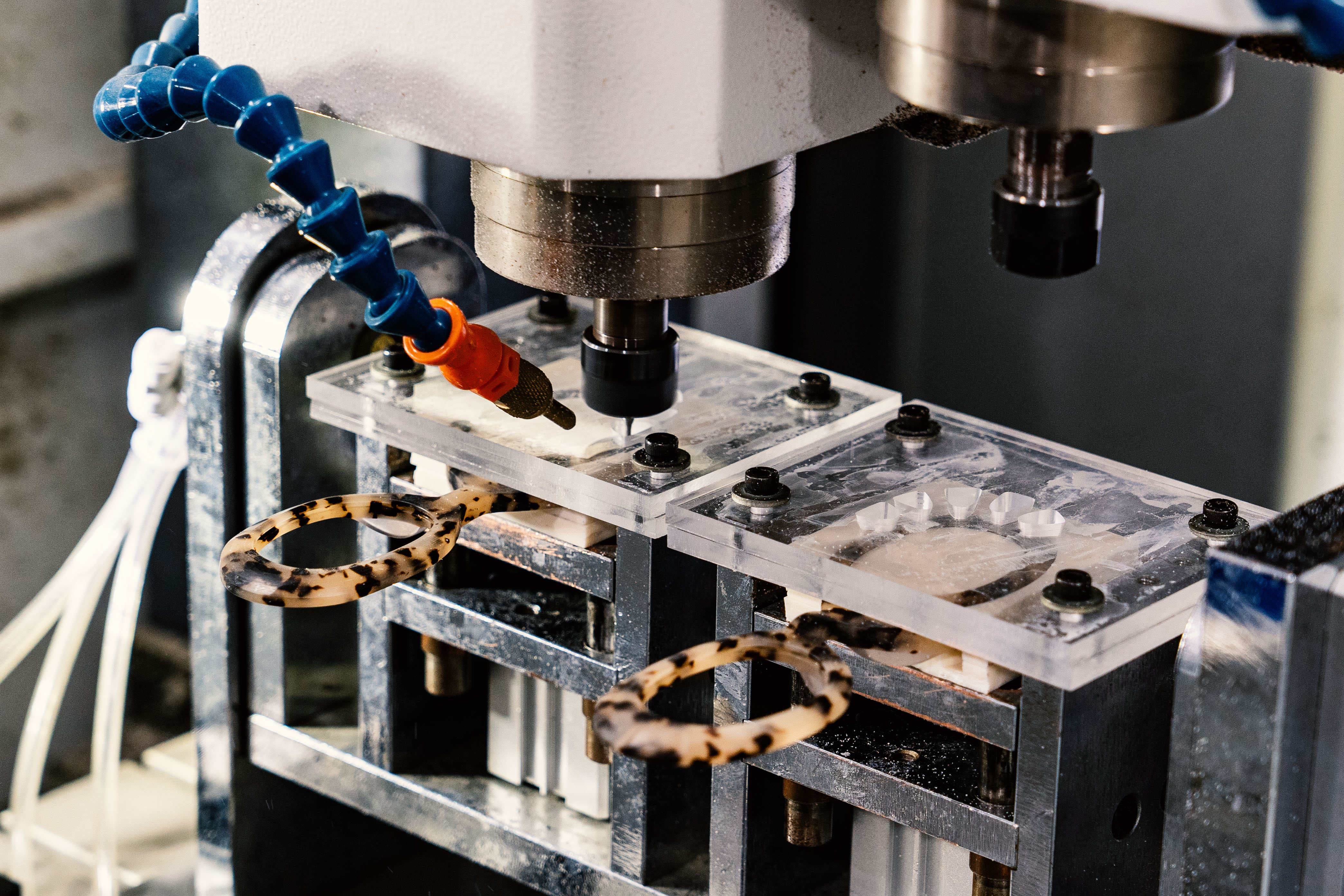
When thin profile spectacle frames suffer temple arm breakage, the financial and emotional cost to consumers is significant. A broken frame often means unexpected replacement expenses, wasted prescription lenses, and disrupted vision correction. For optical retailers and manufacturers, addressing this vulnerability is not just quality control but a key part of customer retention and brand credibility. This article examines the mechanical, material, and design factors behind temple arm failure in thin profile glasses frames, and presents evidence-based corrective actions manufacturers and users can apply to prevent breakage and ensure lasting durability.
Understanding Material Limitations in Thin Profile Spectacle Frames
Why Material Selection Defines Breakage Risk
Material choice largely determines temple arm durability in thin profile optical frames. Thin frames need materials that stay structurally sound while cutting weight and thickness. Common spectacle frame materials, including acetate, metal alloys, titanium, and composite blends, each have different stress tolerances. As material is reduced for a thinner profile, the cross-sectional area resisting bending and torsion shrinks proportionally. So thin profile eyeglass frames must use inherently stronger materials or better engineering to match the durability of conventional thick frames.
Material Brittleness and Impact Sensitivity
Acetate optical frames are aesthetically versatile and comfortable but more brittle than metal alloys. In thin profile designs, acetate is especially prone to microfractures that spread under repeated stress cycles. Temple arm breakage in acetate glasses frames often starts from small internal cracks that grow over months of normal wear. Metal alloys and titanium offer better fatigue resistance, yet thin profile designs still push them toward their limits. The hinge, where the temple meets the front, is a stress concentration zone, so material choice there directly affects breakage risk. Choosing materials with a proven record in thin profile applications lowers the chance of sudden temple arm failure.
Mechanical Stress Concentration and Hinge Design Flaws
How Temple Hinge Design Creates Breaking Points
The temple hinge in thin profile eyeglass frames experiences stress concentration far exceeding that of thicker conventional frames. Every time a wearer opens or closes their glasses, the hinge joint undergoes a bending moment that transmits force through the thin arm material. In poorly engineered optical frames, the hinge geometry creates sharp transitions where material thickness changes abruptly, forming stress risers that act as natural fracture initiation sites. The temple arm connects to the front through a pin or screw mechanism; if this connection lacks proper lateral reinforcement, the thin arm material bends excessively with each articulation. Over thousands of open-close cycles, metal fatigue accumulates, and the material eventually fractures at the weakest geometric point.
Inadequate Reinforcement at Connection Points
Many spectacle frame manufacturers put aesthetics ahead of structural reinforcement in thin profile designs. This trade-off shows up as too little material around the temple hinge, screws or pins without proper tensioning, and no internal bracing in the arm cavity. The junction between temple and front frame takes the highest mechanical load during opening, closing, and side-to-side wearing pressure. Without extra material or internal support, the thin arm becomes a weak link. Advanced corrective design uses internal ribs, reinforced screw bosses, and optimized pin diameters to spread forces over a larger area. These refinements add minimal weight while greatly improving resistance to temple arm breakage in glasses frames.
Environmental and Behavioral Factors Contributing to Frame Fracture
Temperature Fluctuation and Material Degradation
Thin profile eyeglass frames face environmental challenges that accelerate material fatigue and brittleness. Repeated temperature cycling from cold outdoor conditions to warm indoor environments causes microscopic expansion and contraction cycles that weaken acetate and certain metal coatings. Ultraviolet exposure degrades some optical frames materials, particularly acetate, reducing their flexibility and increasing susceptibility to cracking. Humidity variation affects acetate frames differently than metal frames; prolonged exposure to moisture can cause dimensional changes that alter hinge tension and increase bending stress. Users who store their spectacle frames in hot vehicles, near radiators, or in direct sunlight experience accelerated material degradation. Protective storage in stable temperature and humidity conditions, along with periodic maintenance, mitigates these environmental risks.
Improper Use and Accidental Impact Stress
Although manufacturing design is critical, user behavior significantly influences temple arm breakage rates in glasses frames. Many wearers open their eyeglass frames by pulling on only one temple arm, creating asymmetric stress that concentrates force on a single hinge. This habit is particularly damaging to thin profile frames where hinge geometry offers less resistance to lateral bending. Dropping frames from waist height or sitting on glasses while wearing them creates sudden impact loads that thin materials cannot absorb. Children and active users generate higher breakage rates due to increased handling stress and accidental drops. Educating users about proper frame handling, symmetric opening technique, and protective storage reduces breakage incidents significantly.
Corrective Actions and Prevention Strategies
Enhanced Design and Manufacturing Protocols
Manufacturers committed to reducing temple arm breakage in thin profile eyeglass frames must implement rigorous design validation and quality control processes. Computer finite element analysis should simulate stress distribution across thousands of open-close cycles, identifying high-risk areas before production. Material selection should prioritize proven alloys or premium acetate formulations that maintain flexibility in thin cross-sections. Hinge mechanisms should incorporate spherical or graduated transitions that distribute stress smoothly rather than creating abrupt geometric discontinuities. Quality control testing should include accelerated fatigue testing where sample frames undergo tens of thousands of opening cycles to verify durability before mass production.
Material Innovation and Composite Solutions
Advanced material options now enable manufacturers to create thin profile spectacle frames that maintain high durability. Titanium alloys offer exceptional strength-to-weight ratios, allowing ultra-thin designs without sacrificing mechanical properties. Carbon fiber reinforced polymers and hybrid acetate blends combine aesthetic appeal with superior fatigue resistance. Some manufacturers employ selective reinforcement strategies where critical zones receive material upgrades while maintaining thin profiles in less-stressed regions. These composite approaches in glasses frames balance visual appeal and structural integrity effectively.
User Education and Maintenance Recommendations
Preventing temple arm breakage requires active user participation in frame care and proper handling. Wearers should always open and close eyeglass frames using both hands, distributing pressure symmetrically across both temple hinges. Storing spectacle frames in protective cases, away from extreme temperatures and direct sunlight, significantly extends material lifespan. Regular inspection of hinge tightness and prompt tightening of loose screws prevents excessive movement that accelerates crack propagation. Users should avoid placing frames under mechanical stress such as sitting on them or wrapping them tightly around objects. For active lifestyles, sports-specific eyeglass frames with reinforced temples may provide better durability than thin profile designs.
FAQ
Why do thin profile eyeglass frames break more easily than thick frames?
Thin profile eyeglass frames have reduced material cross-section at critical joints, which decreases their ability to resist bending and torsional forces. The temple hinge, where the arm connects to the front assembly, becomes a stress concentration zone in thin designs. With less material volume to distribute mechanical loads, the same everyday opening and closing cycles generate higher localized stress that eventually leads to micro-fractures and breakage. Additionally, thin frames often sacrifice reinforcement at the hinge junction to achieve aesthetic goals, further compromising durability compared to thicker optical frames.
What corrective actions can manufacturers implement to reduce temple arm breakage?
Manufacturers can reduce temple arm breakage through multiple strategies: selecting high-performance materials like titanium or reinforced composites, redesigning hinge geometry to eliminate stress concentration points, adding internal ribs and reinforcement bosses around critical joints, implementing rigorous fatigue testing protocols, and optimizing screw and pin specifications. Computer simulation of stress distribution during thousands of opening cycles helps identify vulnerabilities before production. These manufacturing improvements directly address the mechanical causes of breakage in spectacle frames and result in more durable thin profile products.
How can eyeglass frames users prevent temple arm breakage?
Users can prevent temple arm breakage by opening and closing eyeglass frames with both hands symmetrically, avoiding one-handed pulling that creates uneven stress. Storing frames in protective cases, away from heat and direct sunlight, slows material degradation. Regularly inspecting and tightening hinge screws keeps tension proper and limits excess movement. Avoid dropping frames, sitting on them, or exposing them to sudden impacts. For active lifestyles, sports-specific eyeglass frames or thicker profile designs may last longer.



