
 EN
Seasonal vs Core Range Planning for Private Label Sunglasses Lines: Key Differences for Buyers
Discover how hybrid private label sunglasses planning balances stability & innovation. Optimize OEM manufacturing now.
Developing a successful Private Label Sunglasses line requires strategic planning that balances market demand, production timelines, and inventory risk. Buyers operating in the eyewear industry face a critical decision when launching custom brand sunglasses: should they invest heavily in seasonal collections that capitalize on temporary trends, or build a stable core range that generates consistent revenue year-round? This choice fundamentally shapes product development, manufacturing partnerships, and financial performance across the entire business cycle.
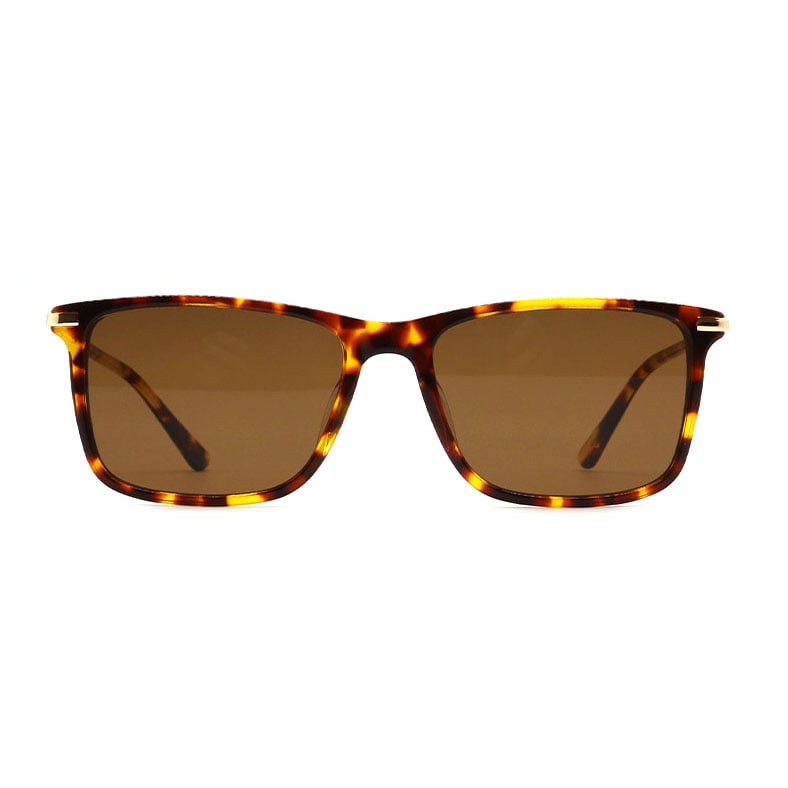
Understanding the distinction between seasonal and core range approaches is essential for optimizing your OEM sunglasses manufacturing strategy. Each model offers distinct advantages and challenges that directly impact profitability, cash flow, and market positioning. Seasonal collections drive excitement and allow brands to respond quickly to emerging trends, while core ranges provide stability and reduce the complexity of oem sunglasses manufacturing operations. The optimal approach often involves a hybrid strategy that leverages the strengths of both methods.
Seasonal Collections: Capturing Trend-Driven Demand
Market Timing and Fashion Responsiveness
Seasonal sunglasses planning aligns product releases with consumer behavior patterns throughout the year. Spring and summer months traditionally generate peak demand for eyewear, particularly polarized and UV-protective styles that appeal to outdoor-focused customers. Brands that master seasonal planning can introduce new frame shapes, lens technologies, and color palettes precisely when buyer interest peaks. This approach requires close collaboration with OEM sunglasses manufacturing partners who can accelerate production timelines without sacrificing quality standards.
Fashion-forward custom brand sunglasses benefit significantly from seasonal releases because they capture attention through novelty and urgency. Limited edition designs, collaboration-based frames, and trend-responsive aesthetics drive social media engagement and customer acquisition. When private label sunglasses are positioned as seasonal exclusives, buyers perceive greater value and scarcity, which can justify premium pricing strategies. However, this model demands sophisticated demand forecasting and coordination with manufacturing partners to align production capacity with anticipated sales volumes.
Production Complexity and Lead Times
Seasonal planning introduces production challenges that require expertise in OEM sunglasses manufacturing operations. Each new seasonal collection demands separate tooling specifications, distinct packaging designs, and sometimes completely different material specifications. These production requirements extend lead times, typically ranging from twelve to sixteen weeks before inventory reaches distribution channels. Brands must commit to substantial order volumes well before market validation occurs, creating significant inventory risk if demand forecasts prove inaccurate.
Managing multiple seasonal launches simultaneously increases operational complexity across supply chain functions. Custom brand sunglasses buyers must coordinate with OEM manufacturers regarding raw material sourcing, quality assurance protocols, and shipping logistics for each collection independently. If seasonal demand underperforms, excess inventory becomes a financial burden that requires aggressive markdowns or liquidation strategies. This dynamic makes seasonal approaches better suited for established brands with proven sales data and strong distributor relationships.
Core Range Strategy: Building Sustainable Revenue Foundations
Consistent Product Availability and Customer Trust
A core range approach for private label sunglasses emphasizes stable, evergreen designs that remain available across multiple selling seasons. These foundational products typically feature classic frame geometries, proven lens technologies, and neutral colorways that appeal to broad customer segments. By maintaining consistent availability, brands build predictability that strengthens retailer relationships and customer loyalty. Core range strategies reduce the frequency of production transitions, allowing OEM sunglasses manufacturing partners to optimize their processes and achieve economies of scale.
Custom brand sunglasses built on core range principles benefit from simplified inventory management and reduced markdown pressure. Because these products maintain relevance across longer time horizons, sales velocity remains more predictable and stable compared to seasonal offerings. Retail partners appreciate core ranges because they provide reliable product availability that customers expect, reducing stockout incidents and supporting consistent foot traffic. This stability enables private label sunglasses brands to build stronger distributor networks and maintain pricing discipline throughout the year.
Manufacturing Efficiency and Cost Optimization
OEM sunglasses manufacturing achieves maximum efficiency when production focuses on consistent, high-volume core designs. Extended production runs for identical products allow manufacturers to optimize tooling utilization, reduce setup times, and implement continuous process improvements. Buyers benefit from lower per-unit costs as manufacturing partners achieve better capacity utilization and labor efficiency. These cost advantages enable private label sunglasses brands to maintain healthier margins or offer more competitive pricing compared to seasonal-focused competitors.
Streamlined manufacturing operations also reduce quality variability and production delays. When custom brand sunglasses are manufactured repeatedly using the same specifications and processes, quality control becomes more predictable and defect rates typically decline. This consistency strengthens brand reputation and reduces return rates that damage profitability. Core range strategies allow buyers to negotiate longer-term agreements with OEM manufacturers, securing price stability and priority production allocation that seasonal buyers cannot access.
Hybrid Approach: Balancing Stability with Market Responsiveness
Strategic Portfolio Composition
Most successful private label sunglasses operations employ a hybrid strategy that combines core range stability with selective seasonal innovation. This approach typically allocates sixty to seventy percent of production capacity to core range products while reserving remaining capacity for seasonal collections that test new concepts and respond to emerging trends. By maintaining this balance, brands benefit from both the reliability of OEM sunglasses manufacturing economies and the market responsiveness that seasonal planning provides. Custom brand sunglasses buyers can launch new designs throughout the year without abandoning the financial stability that core ranges deliver.
Portfolio diversity strengthens private label sunglasses positioning across different customer segments and retail channels. Core products dominate traditional retail environments where consistency matters, while seasonal designs capture online sales channels where trend-responsiveness drives conversion. This segmented approach maximizes market penetration and reduces the risk associated with any single product or collection underperforming. OEM sunglasses manufacturing partners appreciate hybrid portfolios because production scheduling becomes more flexible and predictable, reducing the feast-or-famine dynamics that seasonal-only approaches create.
Risk Mitigation and Financial Performance
Combining seasonal and core range strategies creates natural risk mitigation mechanisms that protect buyer profitability during market uncertainties. If seasonal designs underperform, core range revenue streams continue generating predictable cash flow and margin contribution. Conversely, successful seasonal innovations can be gradually migrated into core ranges as they prove sustained market appeal. This dynamic allows custom brand sunglasses businesses to experiment with new concepts while maintaining financial stability, reducing the pressure to make perfect forecasting decisions at each launch cycle.
Financial modeling for private label sunglasses operations becomes more sophisticated when incorporating hybrid strategies, but the payoff justifies the complexity. Buyers can confidently project baseline revenue from core ranges while treating seasonal collections as margin-enhancement opportunities. This approach attracts investor interest because financial performance becomes more predictable and less dependent on quarterly trends. OEM sunglasses manufacturing partners gain visibility into steady baseline demand, enabling them to plan capacity investments and workforce management with greater confidence.
FAQ
What percentage of my private label sunglasses inventory should be seasonal versus core range?
Most established brands allocate approximately sixty to seventy percent of production volume to core range products and thirty to forty percent to seasonal collections. This ratio provides stability from core range sales while maintaining flexibility for seasonal innovation. However, optimal allocation varies based on your target market, retail channel mix, and risk tolerance. Brands focused on online sales may skew more heavily toward seasonal, while traditional retail operations typically emphasize core ranges. Your OEM sunglasses manufacturing partner can help model different allocation scenarios based on your specific market positioning and customer data.
How can I reduce lead times for custom brand sunglasses without sacrificing quality?
Reducing lead times requires close coordination with your OEM sunglasses manufacturing partner and strategic simplification of product specifications. Standardizing frame materials, lens options, and manufacturing processes across your portfolio reduces complexity and accelerates production cycles. Working with experienced manufacturers who have pre-approved tooling for common designs enables faster launches of seasonal collections. Additionally, maintaining stronger inventory buffers for core range products ensures availability while you develop seasonal designs through normal lead time windows. Private label sunglasses brands that communicate demand forecasts transparently to manufacturers typically negotiate faster production schedules and priority allocation.
Can I transition successful seasonal designs into my core range?
Yes, successful seasonal designs frequently become core range additions after proving sustained market demand. This approach allows private label sunglasses brands to validate new concepts through limited seasonal releases before committing to long-term core range status. Designs that consistently sell through in multiple seasons demonstrate market viability and merit inclusion in core offerings. Custom brand sunglasses built this way benefit from proven demand data, reducing forecast risk during transition to core status. Your OEM sunglasses manufacturing partner can adjust production specifications and tooling to support designs graduating from seasonal to core, often at improved costs due to higher volume commitments.



