
 EN
Private Label Sunglasses Inventory Planning: Planning Considerations for Buyers and Brands
Master lead times, MOQs, seasonality, trends & cash flow for private label success. Plan smarter—get your free checklist.
Effective inventory planning is the foundation of success for brands and buyers working with private label sunglasses. Whether you are launching a new eyewear line, expanding an existing collection, or managing seasonal demand, understanding the complexities of inventory management directly impacts profitability, cash flow, and customer satisfaction. Private label sunglasses offer brands significant control over design, quality, and pricing, but this advantage only translates to business success when inventory levels are planned strategically and aligned with market realities.
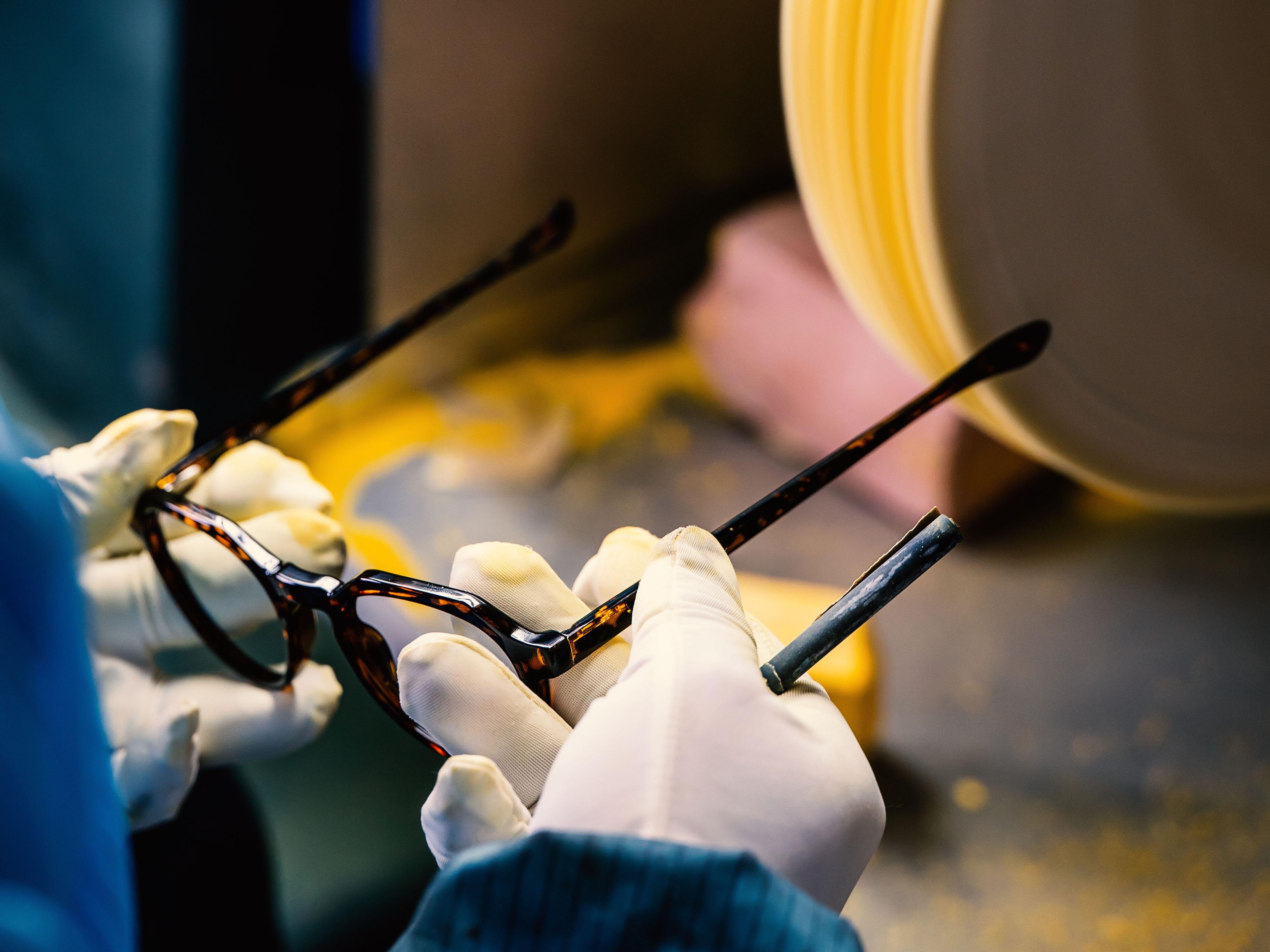
Planning inventory for custom brand sunglasses requires balancing multiple variables: production lead times, market demand seasonality, cash flow constraints, and warehouse capacity. Unlike working with mass-market off-the-shelf products, private label manufacturers and OEM sunglasses manufacturing partners operate on lead times ranging from 60 to 120 days or longer, making reactive ordering impossible. This article explores the critical planning considerations that buyers and brands must evaluate before placing orders with OEM partners, ensuring inventory decisions support both short-term revenue targets and long-term business sustainability.
Understanding Lead Times and Production Cycles
Manufacturing Lead Times in OEM Sunglasses Manufacturing
OEM sunglasses manufacturing inherently involves extended production cycles that differ significantly from domestic or quick-turnaround sourcing models. Most OEM partners require minimum order quantities that establish manufacturing batch sizes, and the timeline from order confirmation to shipment typically spans 60 to 120 days depending on customization complexity, material availability, and factory capacity. Understanding these realistic timelines is essential for inventory planning because brands cannot order reactively when stock runs low; instead, planning must anticipate demand several months in advance.
Buyers and brands must factor in additional time for quality inspections, logistics coordination, customs clearance, and in-country transit before products reach distribution centers. The total elapsed time from order placement to shelf-ready inventory often reaches 130 to 150 days when accounting for all stages. This extended cycle creates a planning window where demand forecasting accuracy becomes critical, as overestimating demand results in excess inventory and underestimating creates stockouts that damage revenue and brand reputation.
Minimum Order Quantities and Batch Economics
Private label sunglasses are manufactured in specific batch sizes established by OEM partners, which directly constrains inventory planning options. Minimum order quantities for custom brand sunglasses typically range from 500 to 2,000 units per style per colorway, depending on customization specifications and the manufacturer's production infrastructure. These minimums exist because setup costs, tooling, and quality control procedures are amortized across production runs, making smaller batches economically unviable for manufacturers.
Buyers must recognize that MOQ constraints force binary inventory decisions: you either commit to a full batch or defer the order. This reality eliminates the flexibility of ordering exactly what current demand data suggests; instead, planning requires ordering slightly ahead of confirmed demand to capture the full benefits of custom brand sunglasses economies of scale. Strategic buyers often consolidate multiple SKUs or colorways within a single OEM sunglasses manufacturing order to reach MOQs efficiently while distributing inventory across multiple market segments.
Demand Forecasting and Seasonality Patterns
Seasonal Demand Cycles in Eyewear Markets
Sunglasses demand exhibits pronounced seasonality patterns that directly influence private label sunglasses inventory planning decisions. In most Northern Hemisphere markets, demand peaks during spring and summer months as consumers increase outdoor activities, travel, and recreational spending. Conversely, fall and winter months experience lower demand, though this varies by geography, climate, and market segment. Brands and buyers working with OEM sunglasses manufacturing partners must project demand across full seasonal cycles and plan inventory orders to align with these predictable fluctuations.
Strategic inventory planning requires analyzing historical sales data over at least two to three years to establish reliable seasonality coefficients. Buyers should quantify peak month demand as a percentage of annual volume, identify month-by-month demand curves, and map these patterns against OEM manufacturing lead times. This analysis reveals when orders must be placed; for example, if demand peaks in June but manufacturing lead time is 90 days, buyers must typically confirm their largest order by March or earlier to ensure shipment arrives for peak season.
Market Trend Dynamics and Product Lifecycle
Beyond seasonal patterns, custom brand sunglasses face trend-driven demand that creates additional forecasting complexity. Style trends in eyewear shift periodically as fashion influence, celebrity endorsements, and consumer preferences evolve. UV protection standards, lens technology improvements, and sustainability concerns also influence buyer behavior and product appeal. Inventory planning for private label sunglasses must therefore account for both predictable seasonality and less predictable trend acceleration or decline within product lines.
Experienced buyers assess product lifecycle stage when planning OEM sunglasses manufacturing orders. New styles entering the market may experience demand acceleration that favors higher initial inventory, while mature styles with established demand patterns benefit from more conservative replenishment orders. Products in decline phases warrant minimal inventory investment regardless of past performance. This lifecycle perspective prevents excessive inventory buildup in declining SKUs while ensuring adequate stock for products with accelerating market momentum.
Cash Flow, Financing, and Inventory Investment Strategy
Capital Requirements and Working Capital Management
Private label sunglasses inventory represents significant capital investment because manufacturers typically require advance payment or substantial deposits before production begins. OEM sunglasses manufacturing orders of 1,000 to 2,000 units at wholesale costs of $8 to $15 per unit translate to investments of $8,000 to $30,000 per SKU, with multiple SKUs required to support a credible product line. Buyers and brands must evaluate whether available capital supports the inventory volumes necessary for adequate market representation and whether cash flow projections accommodate the payment terms required by manufacturers.
Strategic inventory planning requires aligning purchase commitments with cash conversion cycles and working capital availability. Brands that tie up excessive capital in inventory face reduced flexibility to invest in marketing, develop new products, or respond to unexpected opportunities. Conversely, brands with under-capitalized inventory risk chronic stockouts and missed sales during peak seasons. Buyers should establish clear capital allocation budgets for each order cycle and plan private label sunglasses purchases to optimize the relationship between inventory investment and expected sales margins.
Payment Terms and Risk Mitigation
Negotiating favorable payment terms with OEM partners extends working capital availability and improves cash flow during extended manufacturing cycles. Many manufacturers offer tiered discounts for full payment upon order versus progress payments distributed across the production timeline. Buyers and brands should evaluate whether bulk payment discounts justify accelerating capital outlay or whether retaining capital for operational flexibility outweighs cost savings. This decision depends entirely on each organization's financial position, growth stage, and strategic priorities.
Risk mitigation in private label sunglasses inventory planning also includes evaluating manufacturer reliability, quality consistency, and communication responsiveness. Orders placed with new or untested OEM sunglasses manufacturing partners carry higher risk of quality issues, delivery delays, or production errors that compromise entire inventory investments. Experienced buyers prioritize proven manufacturers with consistent performance records, viewing the slightly higher costs as insurance against inventory writedowns and business disruption caused by quality failures or missed shipments.
FAQ
What is the typical lead time for private label sunglasses orders?
Most OEM sunglasses manufacturing partners require 60 to 120 days from order confirmation to shipment, with additional time needed for quality inspections, logistics, and customs processing. Total elapsed time from order to shelf-ready inventory typically reaches 130 to 150 days. This extended timeline requires buyers to forecast demand several months ahead and place orders well before anticipated sales peaks to ensure adequate supply during high-demand periods.
How do minimum order quantities affect inventory planning for custom brand sunglasses?
MOQs for custom brand sunglasses typically range from 500 to 2,000 units per style per colorway, forcing buyers to commit to full production batches rather than ordering exact demand quantities. These constraints require strategic consolidation of multiple SKUs, thoughtful demand forecasting to avoid excess inventory, and careful consideration of colorway and style combinations to maximize batch efficiency and minimize carrying costs across the inventory portfolio.
What seasonality patterns should buyers consider when planning private label sunglasses inventory?
Sunglasses demand peaks during spring and summer months when outdoor activities and travel increase, while fall and winter months experience lower demand in most Northern Hemisphere markets. Buyers should analyze two to three years of historical data to establish seasonality coefficients, then coordinate OEM sunglasses manufacturing order timing to ensure shipment arrival aligns with peak season demand. This alignment requires placing largest orders 3 to 4 months before anticipated demand peaks based on the manufacturing lead time.



