
 EN
Streamlining Sample Approvals in Private Label Sunglasses: Practical Quality Control Steps
Discover 7 practical QC steps for private label sunglasses that cut approval time by 50% and prevent costly defects. Start optimizing today.
Launching private label sunglasses requires a structured approach to quality assurance that protects your brand reputation and ensures customer satisfaction. The sample approval process is critical because it sets the baseline for all subsequent production runs and determines whether your custom brand sunglasses will meet market expectations. Without systematic quality control steps, manufacturers risk shipping defective products, receiving customer complaints, and damaging brand credibility.
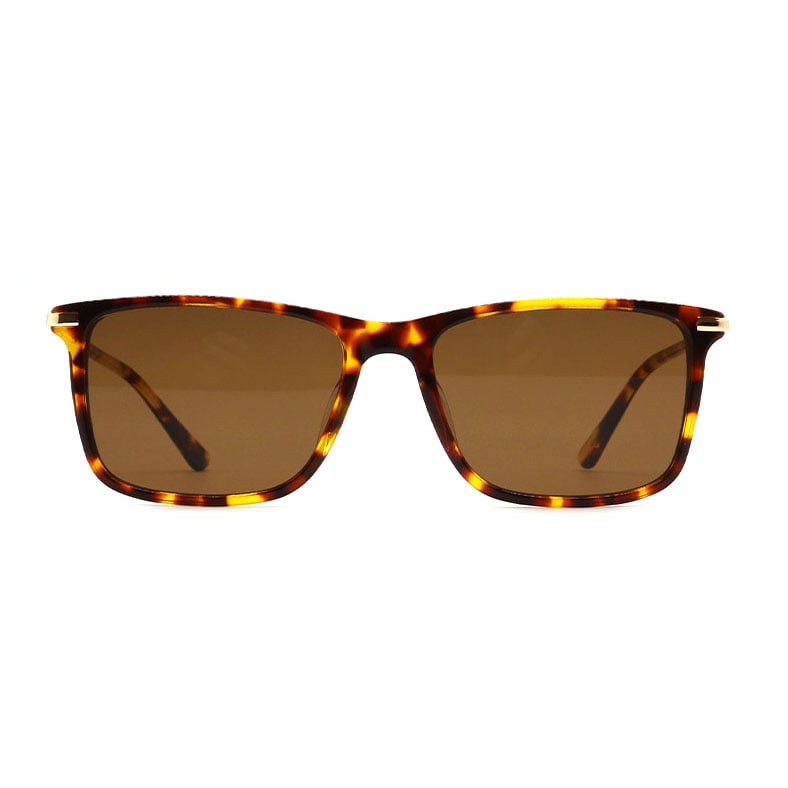
In the eyewear industry, quality control for oem sunglasses manufacturing involves multiple evaluation stages, from lens clarity and frame alignment to UV protection certification and material durability testing. This article walks through practical, actionable quality control steps that streamline sample approvals and reduce costly rework iterations. Whether you are an emerging brand launching your first collection or an established retailer expanding your custom brand sunglasses line, understanding these processes ensures faster approvals and higher-quality finished products.
Understanding Sample Approval Requirements
Why Quality Control Matters in Private Label Sunglasses
Quality control in private label sunglasses manufacturing directly impacts your brand's market position and customer loyalty. Each sample represents your brand's promise regarding style, durability, and eye protection. When quality issues slip through during sample approval, they cascade into production batches, leading to costly recalls, returns, and reputational damage that far exceeds the cost of thorough upfront testing.
Custom brand sunglasses require rigorous evaluation because they combine multiple components: acetate or metal frames, lenses with various coatings, hinges, nosepads, and packaging materials. Each component must meet specified tolerances and quality standards. The sample approval process serves as your first line of defense against manufacturing defects before full-scale production begins.
Key Performance Indicators for Sample Assessment
Effective quality control for oem sunglasses manufacturing relies on measurable criteria. Frame alignment must be symmetrical with no gaps between lens and frame edges. Lens coating should show no scratches, bubbles, or delamination when inspected under magnification. All mechanical joints, including hinges and bridge connections, must operate smoothly through multiple open-close cycles. Color accuracy must match approved Pantone standards within acceptable variance ranges.
Beyond mechanical specifications, private label sunglasses must pass UV protection testing to verify that lenses block 100% of UVA and UVB rays as claimed. Impact resistance testing confirms that lenses meet ANSI Z80.3 standards for optical quality and durability. Packaging should be clean, free of dust or manufacturing residue, and properly labeled with brand information and regulatory compliance details.
Structured Quality Control Workflow
Receiving and Initial Inspection Phase
When samples arrive from your oem sunglasses manufacturing partner, begin with a receiving inspection that documents the shipment date, quantity, and condition upon arrival. Unpack samples carefully in a dust-controlled environment and visually inspect each unit for obvious defects such as cracks, color mismatches, or assembly errors. Document any damage and communicate findings to your manufacturer immediately, separating defective samples from acceptable ones to prevent mixed batches entering the evaluation workflow.
Create a sample inspection checklist specific to your custom brand sunglasses design. This checklist should cover frame finish, lens clarity, color accuracy, hinge function, and packaging presentation. Assign a dedicated quality controller or team to conduct this phase consistently. Consistent personnel ensures that evaluation standards remain uniform across all samples and production runs, reducing subjective variation in approval decisions.
Detailed Technical Testing for Private Label Sunglasses
Technical testing separates acceptable samples from those requiring rework. Begin with visual inspection under LED lighting, checking for scratches, dust particles, and surface irregularities on both frame and lens surfaces. Use a magnifying glass or microscope to examine lens coatings for clarity and uniformity. For custom brand sunglasses with gradient or mirrored lenses, verify that coating application is even and matches color specifications across the entire lens surface.
Test mechanical durability by opening and closing hinges 100 times while monitoring for stiffness, grinding, or clicking sounds that indicate misalignment or internal damage. Measure frame dimensions using precision calipers to ensure width, bridge fit, and arm length match approved specifications. For private label sunglasses with specialized features such as polarization or photochromic properties, verify that these functions work as designed through functional testing protocols.
UV protection verification requires testing lenses with a UV meter to confirm 100% UVA and UVB blocking. This testing is non-negotiable because it directly relates to consumer safety and regulatory compliance. If your oem sunglasses manufacturing partner does not provide UV test certificates with samples, conduct independent laboratory testing to verify claims before approving production runs.
Documentation and Approval Decision Framework
Comprehensive Records and Traceability
Maintain detailed records for every sample evaluation phase. Document visual inspection results with photographs showing frame finish, lens clarity, and any defects or inconsistencies. Record technical test results including measurements, UV blocking percentages, and mechanical durability findings. Create a digital or physical file for each batch that includes sample photos, inspection checklists, test certificates, and approval or rejection decisions.
This documentation serves multiple purposes: it creates traceability linking samples to specific manufacturing dates and production runs, provides evidence of quality control compliance for audits, and establishes a reference baseline for future sample evaluations. When custom brand sunglasses must be recalled or investigated for quality issues, comprehensive records enable rapid root cause analysis and corrective action tracking.
Approval Criteria and Decision Logic
Establish clear approval criteria before samples arrive. Define which defects are critical and warrant automatic rejection, which issues allow conditional approval pending rework, and which minor variations fall within acceptable tolerance. For private label sunglasses, critical defects typically include lens scratches, frame cracks, hinge failure, misaligned optical centers, or failed UV protection tests. Conditional approval might apply to minor color variations within 5% of Pantone standards or small cosmetic imperfections not visible during normal use.
Create a three-tier approval system: full approval authorizes immediate production, conditional approval permits production if manufacturer implements specific corrections on the next batch, and rejection requires redesign or material changes before resubmission. Communicate approval decisions to your oem sunglasses manufacturing partner within 48 to 72 hours of completing technical testing, allowing sufficient time for them to adjust production parameters if conditional approval requires modifications.
FAQ
How many samples should I evaluate before approving production?
For private label sunglasses, evaluate a minimum of five to ten samples per style and color combination. This quantity reveals consistency issues and manufacturing variation patterns that single samples might miss. Larger sample sizes increase confidence in oem sunglasses manufacturing quality but must be balanced against time and cost constraints. Most manufacturers provide samples at no cost, making larger sample sizes economically practical during the approval phase.
What should I do if samples fail quality control inspections?
Communicate failures promptly to your custom brand sunglasses manufacturer with specific photographic evidence and test results. Request root cause analysis identifying whether failures stem from material sourcing, machine calibration, operator training, or design specifications. Request revised samples with documented corrections within two to three weeks. If manufacturers repeatedly fail to meet quality standards after multiple revision rounds, consider switching to alternative oem sunglasses manufacturing partners to protect your brand reputation.
Are there regulatory standards I should verify during sample approval?
Yes, private label sunglasses must comply with ANSI Z80.3 optical standards, FDA classification requirements for UV protection, and consumer protection regulations in your target markets. Verify that samples include proper labeling indicating UV protection level, country of origin, and manufacturing compliance certifications. Request certificates of compliance from your oem sunglasses manufacturing partner confirming adherence to these standards before approving production runs.



