
 EN
Stainless Steel vs Copper Alloy Metal Eyewear: Key Differences for Buyers
Compare durability, cost, skin safety & aesthetics—make the right B2B frame decision. Download comparison guide.
Choosing between stainless steel eyewear and copper alloy metal frames represents one of the most important decisions buyers face when investing in quality metal eyewear. Both materials offer distinct advantages in durability, aesthetics, and long-term value, yet they serve different needs and preferences. Understanding the fundamental differences between these two material types enables buyers to make informed purchasing decisions that align with their lifestyle, budget, and style requirements.
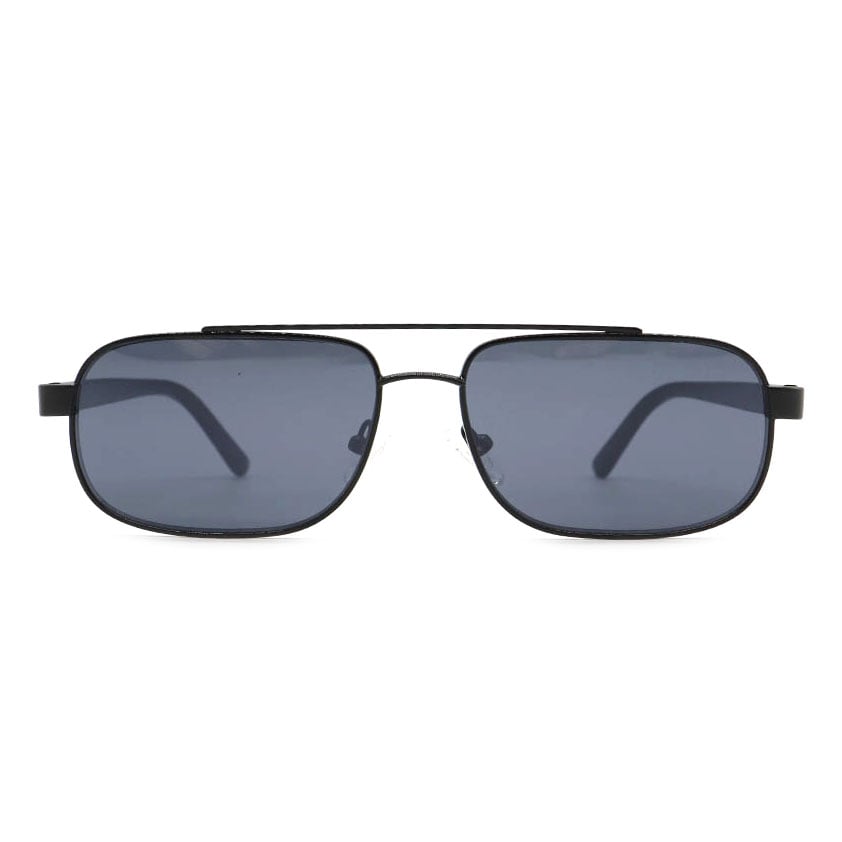
The eyewear industry has evolved significantly, with metal frames becoming increasingly popular across commercial, recreational, and professional segments. Stainless steel eyewear and alloy frames dominate the high-quality metal frame market, each bringing unique engineering properties, manufacturing considerations, and consumer benefits. This comprehensive guide explores the core distinctions between these materials to help you evaluate which metal frames best suit your specific requirements and expectations for performance and longevity.
Material Composition and Engineering Properties
Stainless Steel Eyewear Construction
Stainless steel eyewear is manufactured from iron-based alloys containing chromium, nickel, and molybdenum elements that create exceptional corrosion resistance and structural integrity. The chromium content in stainless steel eyewear forms a protective oxide layer on the surface, preventing rust and oxidation even in humid or coastal environments. This self-healing protective layer distinguishes stainless steel eyewear from other metal frames and contributes significantly to its superior durability and maintenance characteristics over extended ownership periods.
The density and weight distribution of stainless steel eyewear provide a premium feel and robust structural foundation for hinges, nose bridges, and temple attachments. High-grade stainless steel eyewear typically incorporates grades 304 or 316, with 316 offering enhanced molybdenum content for superior saltwater and chemical resistance. This material composition allows manufacturers to produce thinner profiles and more intricate designs without compromising durability or comfort during all-day wear scenarios.
Copper Alloy Frame Technology
Copper alloy metal frames combine copper with zinc, tin, or aluminum to create lightweight materials with excellent strength-to-weight ratios and distinctive warm aesthetic qualities. Brass and bronze represent the most common copper alloy metal frames used in eyewear manufacturing, offering superior malleability for precise fabrication and unique golden or reddish hues that differentiate them from steel alternatives. Alloy frames provide manufacturers with greater flexibility in design complexity while maintaining structural requirements necessary for eyewear applications.
Copper alloy metal frames require protective surface treatments such as plating or lacquer coatings to prevent oxidation and the characteristic green patina that naturally develops on exposed copper surfaces. The composition of alloy frames influences their susceptibility to environmental factors, with zinc content affecting corrosion resistance and thermal stability. Many premium alloy frames incorporate nickel-free formulations to accommodate users with metal sensitivities, making them an inclusive choice for diverse consumer populations.
Durability, Maintenance, and Longevity Performance
Stainless Steel Eyewear Durability Profile
Stainless steel eyewear demonstrates superior longevity characteristics due to inherent corrosion resistance that requires minimal protective coatings or surface treatments. The passive oxide layer on stainless steel eyewear continuously repairs itself when scratched or exposed to environmental elements, ensuring sustained protection throughout years of regular use and exposure to varied climatic conditions. This self-renewing protection mechanism makes stainless steel eyewear particularly suitable for users in coastal regions, humid climates, or high-moisture industrial environments.
Maintenance requirements for stainless steel eyewear remain straightforward, requiring only occasional cleaning with mild soap and water to maintain appearance and functionality. The material resists fingerprints and oxidative discoloration more effectively than copper alloy metal frames, reducing visible wear and preserving aesthetic appeal over extended periods. Investment in stainless steel eyewear yields minimal maintenance costs and exceptional value retention, making it an economically sound choice for buyers prioritizing long-term reliability.
Alloy Frames Maintenance and Care Considerations
Alloy frames require more vigilant maintenance protocols to preserve their protective coatings and prevent oxidation of underlying copper materials. Regular cleaning and periodic re-coating or re-plating preserve the aesthetic appearance of alloy frames and extend their functional lifespan significantly. Users must avoid exposure to harsh chemicals, excessive moisture, and scratching that compromises protective surface layers, as these factors accelerate oxidation processes in copper-based metal frames.
The longevity of alloy frames depends substantially on coating quality, manufacturing precision, and user maintenance commitment compared to stainless steel eyewear. However, well-maintained alloy frames can deliver comparable durability to stainless steel eyewear when protective treatments remain intact and users employ appropriate care techniques. The aesthetic characteristics of patina development may appeal to certain users who appreciate natural aging and vintage aesthetics that intentionally develop on copper alloy metal frames.
Cost, Aesthetics, and Application Scenarios
Pricing and Value Proposition Analysis
Stainless steel eyewear typically commands higher initial purchase prices due to superior material quality, manufacturing complexity, and extended service life that justifies premium positioning in the market. The total cost of ownership for stainless steel eyewear remains favorable when calculated over multiple years, as maintenance expenses and replacement frequency remain minimal throughout extended use. Buyers seeking maximum durability and minimal long-term costs benefit substantially from stainless steel eyewear investments despite higher upfront expenditure.
Alloy frames generally offer more competitive entry-level pricing, making them accessible to budget-conscious buyers and price-sensitive market segments. The lower initial cost of alloy frames appeals to consumers who prioritize aesthetic versatility or who replace eyewear more frequently as fashion preferences evolve. Mid-range alloy frames deliver excellent value when quality manufacturing and protective coating standards are prioritized by manufacturers and retailers.
Aesthetic and Design Applications
Stainless steel eyewear projects a contemporary, professional appearance with bright silver-gray tonality that complements diverse skin tones and personal style preferences across age demographics. The neutral aesthetic of stainless steel eyewear integrates seamlessly into business casual, formal, and recreational contexts, providing styling flexibility that accommodates varied lifestyle scenarios. Premium stainless steel eyewear often features intricate designs and precision engineering details that enhance visual appeal while demonstrating quality craftsmanship.
Copper alloy metal frames deliver distinctive warm, golden, or bronze aesthetics that make unique style statements and appeal to consumers seeking distinctive eyewear that expresses individuality. The vintage character and distinctive appearance of alloy frames resonate particularly well with fashion-forward buyers and consumers who appreciate retro or classic design inspiration. Design flexibility inherent in alloy frames enables manufacturers to create ornate decorative elements and complex artistic patterns that would prove challenging in stainless steel eyewear production.
FAQ
Which material is better for sensitive skin, stainless steel eyewear or alloy frames?
Stainless steel eyewear grades 304 and 316 demonstrate superior biocompatibility for users with nickel sensitivity compared to many copper alloy metal frames. However, both material categories can accommodate nickel-sensitive users when manufacturers specifically formulate hypoallergenic versions. Many modern alloy frames explicitly eliminate nickel from their composition, making them equally suitable for sensitive skin when product specifications confirm nickel-free construction. Buyers with documented metal allergies should verify material certifications and consult product documentation before purchase.
Can alloy frames match the durability of stainless steel eyewear with proper maintenance?
Well-maintained alloy frames with quality protective coatings can deliver functional durability comparable to stainless steel eyewear, though the maintenance burden remains substantially greater. Stainless steel eyewear provides inherent protection through material composition alone, whereas alloy frames depend entirely on surface treatments and user care protocols for corrosion prevention. For users committed to consistent maintenance routines, alloy frames represent viable alternatives to stainless steel eyewear, though convenience-focused buyers benefit from stainless steel eyewear's lower upkeep requirements.
Are stainless steel eyewear options available in diverse aesthetic styles and colors?
Stainless steel eyewear manufacturers offer increasing design versatility including various frame shapes, sizes, and decorative finishes through plating and coating techniques applied to base metal components. While the natural stainless steel eyewear aesthetic maintains neutral tonality, manufacturers apply colored plating, anodizing, or painted finishes that expand style options significantly. Modern stainless steel eyewear collections rival alloy frames in aesthetic diversity, with contemporary designs accommodating fashion preferences across traditional, modern, sporty, and vintage-inspired categories.



