
 EN
Frame Adjustability in Metal Eyewear Nose Pad Systems: A Technical Guide for Eyewear Buyers
Master slider, hinge & push-fit nose pad systems in stainless steel and alloy frames. Optimize comfort, durability & ROI—download buyer checklist.
Frame adjustability in metal eyewear nose pad systems represents a critical consideration for eyewear buyers seeking optimal comfort and durability. The nose pads in metal frames directly influence how the eyewear sits on the wearer's face, affecting both immediate comfort and long-term wearability. Understanding the technical mechanics of adjustable nose pad systems in metal eyewear helps buyers make informed purchasing decisions that balance performance with cost-effectiveness in their optical inventory.
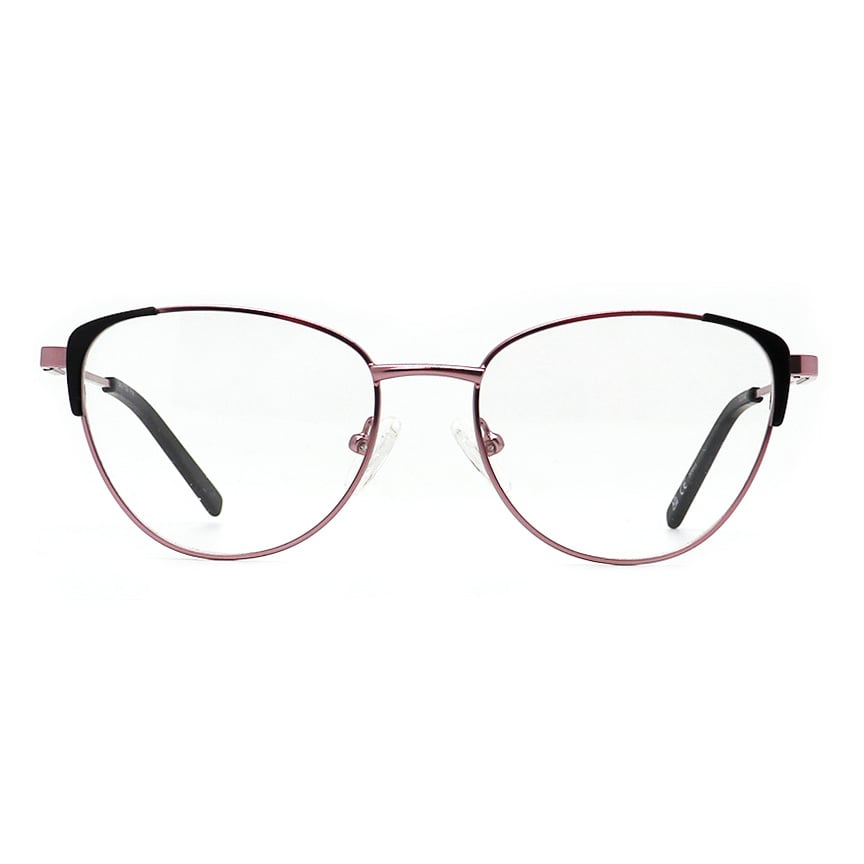
Adjustable nose pads in metal eyewear systems come in several configurations, each designed to address specific fitting challenges. The most common designs include slider-style pads, hinged pads, and push-fit systems. Metal frames benefit from these adjustments because metal alloys respond predictably to minor modifications, unlike plastic materials that can crack or degrade. Buyers should understand how different adjustment mechanisms impact frame longevity and user satisfaction across diverse face shapes and sizes.
Technical Structure of Adjustable Nose Pad Systems
Slider and Hinge Mechanisms in Metal Frames
Slider-style nose pads represent the most versatile adjustment option in modern metal frames. These pads move vertically along a rail or track built into the frame bridge, allowing wearers to raise or lower the pads incrementally. The mechanism relies on friction and precision engineering to keep pads in position after adjustment. Stainless steel eyewear commonly uses this design because stainless steel provides the structural rigidity needed for smooth slider operation. The metal material resists warping that could compromise slider function, making this configuration ideal for high-volume retail environments.
Hinged nose pad systems operate differently, using a pivot point that allows pads to tilt forward or backward. This design accommodates variations in nose bridge contour and helps distribute pressure more evenly across the nose. Alloy frames incorporating titanium or advanced aluminum compounds work particularly well with hinged systems because these materials maintain consistent mechanical properties after thousands of adjustment cycles. Eyewear buyers benefit from this durability because it reduces replacement costs and warranty claims related to nose pad failure.
Material Compatibility and Longevity
The material composition of both frame and nose pad directly affects adjustability performance and system lifespan. Stainless steel eyewear typically pairs with silicone or acetate nose pads that provide comfort while resisting slippage during adjustment. The metal frames hold adjustment positions reliably because the material has minimal creep or memory, unlike polymer materials that gradually return to original shapes. Alloy frames using nickel-free compositions ensure biocompatibility while maintaining the precise tolerances required for adjustment mechanisms to function smoothly throughout the product lifecycle.
Corrosion resistance becomes particularly important in systems exposed to perspiration, humidity, or saltwater environments. Stainless steel provides natural corrosion resistance, while specialized alloy frames may require protective coatings. Buyers should verify that adjustment mechanisms include corrosion-resistant fasteners and springs, as these components deteriorate faster than the main frame structure. Metal eyewear systems with inadequate corrosion protection in adjustment hardware fail prematurely, leading to loose or stuck nose pads that cannot be repositioned effectively.
Practical Adjustment Procedures and User Considerations
Step-by-Step Adjustment Guidelines
Proper adjustment technique ensures metal frames maintain their aesthetic integrity while achieving optimal fit. Users should begin by identifying the adjustment method specific to their metal frames—whether slider, hinge, or push-fit design. For slider systems, gentle upward or downward pressure on the nose pad should move it smoothly along the track without forcing. Stainless steel eyewear typically requires minimal force for adjustment; excessive pressure may strip internal threads or bend the adjustment track. Metal frames should be adjusted while wearing them to achieve the most accurate fit, as this accounts for individual nose pressure distribution patterns.
Temperature changes affect metal eyewear fit because metal expands and contracts with thermal fluctuations. Buyers should understand that optimal adjustment settings established in summer air-conditioned environments may feel slightly different in winter or outdoor settings. Alloy frames respond more dramatically to temperature changes than stainless steel eyewear, so wearers accustomed to significant seasonal variation should prefer stainless steel options. Professional optical retailers should train customers on seasonal adjustment expectations to prevent complaints about fit inconsistency.
Maintenance and Wear Prevention
Regular maintenance extends the functional lifespan of adjustable nose pad systems in metal frames. Users should periodically check that adjustment mechanisms remain secure and that nose pads do not slip during normal wear. Metal eyewear requires gentle cleaning of adjustment hardware to remove accumulated salt residue, sweat, or mineral deposits that cause friction or corrosion. Annual professional cleaning and inspection becomes cost-effective for wearers who invest in premium metal frames, preserving adjustability and preventing expensive repairs.
Avoiding extreme stress on adjustment mechanisms protects the underlying frame structure. Repeated forceful adjustments, particularly on lower-quality alloy frames, can gradually weaken attachment points where the adjustment hardware connects to the frame bridge. Stainless steel eyewear withstands rough handling better than budget alloy alternatives, justifying the price premium for buyers who prioritize durability and minimal maintenance requirements over the product lifespan.
Selection Criteria for Eyewear Buyers
Assessing Fit Range and Adjustment Capacity
Different metal eyewear designs accommodate different ranges of nose sizes and bridge widths. Buyers should prioritize frames offering adjustment ranges exceeding 8 millimeters, ensuring fit compatibility across most customer demographics. Stainless steel eyewear from reputable manufacturers typically provides documented adjustment specifications, allowing optical retailers to match frames to customer measurements accurately. Alloy frames sometimes lack precise adjustment documentation, creating uncertainty about whether specific customers will achieve comfortable fits within the adjustment range available.
Testing adjustment mechanisms before purchasing inventory prevents inventory mismatches and customer satisfaction issues. Buyers should physically adjust sample units to confirm smooth operation and verify that pads remain securely positioned after adjustment cycles. Metal frames should show no binding, grinding, or irregular resistance during adjustment movements. This hands-on evaluation identifies quality variations between manufacturers and prevents bulk orders of defective adjustment systems that create expensive returns and customer service burdens.
Evaluating Manufacturer Support and Warranty Coverage
Reputable metal eyewear manufacturers provide detailed adjustment instructions and responsive customer support for fitting issues. Warranty policies should explicitly cover adjustment mechanism failures within reasonable timeframes, typically one to two years from purchase. Alloy frames from manufacturers offering limited or no adjustment-related warranty support present risk for retail businesses handling customer complaints about fitting difficulties. Stainless steel eyewear backed by comprehensive warranties provides business confidence and supports customer retention through problem-free adjustability experiences.
Communication with manufacturers about bulk order specifications ensures that metal frames meet specific adjustment requirements for target market demographics. Buyers should discuss whether custom adjustment range options exist for specialized applications, such as pediatric metal eyewear requiring tighter adjustment precision or large-frame options for oversized applications. Transparent manufacturer relationships facilitate problem resolution if adjustment issues emerge after large inventory commitments, protecting buyer investments and maintaining retail margins through reduced return rates.
FAQ
How often should metal eyewear nose pads be adjusted for optimal comfort?
Initial adjustment should occur during the fitting process at purchase, ensuring proper pad positioning before the wearer leaves the optical retail location. Follow-up adjustments typically become necessary after two to four weeks of regular wear as users adapt to the frame and minor settling occurs. Thereafter, seasonal adjustments address temperature-related expansion or contraction in metal frames, while annual professional inspections identify wear requiring maintenance. Most metal frames achieve stable adjusted positions after these initial adjustments, requiring no further modification unless the frame undergoes physical trauma or the wearer experiences natural changes in facial structure.
Can stainless steel eyewear adjustment mechanisms be repaired if they become stuck or damaged?
Minor sticking in stainless steel eyewear adjustment systems often resolves through professional cleaning to remove mineral deposits or corrosion preventing smooth movement. Authorized optical service centers possess specialized tools and replacement components for common adjustment mechanism failures in metal frames. Complete mechanism replacement becomes necessary if internal springs or tracks show irreparable damage, requiring parts sourced directly from the manufacturer. Repair feasibility depends on frame age and manufacturer support availability; newer metal eyewear generally qualifies for repair under warranty, while older discontinued styles may prove economically irreparable.
What distinguishes premium alloy frames from budget metal eyewear in terms of adjustment durability?
Premium alloy frames incorporate higher-grade metals with tighter manufacturing tolerances, resulting in adjustment mechanisms that maintain smooth operation across thousands of cycles. Budget metal eyewear often uses lower-grade alloys with looser tolerances, causing adjustment resistance or pad slippage within months of purchase. Material composition differences mean premium stainless steel eyewear resists corrosion and maintains mechanical properties over years, while budget alternatives degrade as internal hardware corrodes or stress-fractures develop. Buyers investing in higher-priced metal frames recover the price differential through extended product lifespan and minimal adjustment-related warranty claims, offsetting the initial cost premium.



