
 EN
Hinge Types Used in Lightweight Metal Eyewear Construction: Key Differences and Selection Factors
Compare spring vs fixed hinges for durability, comfort & material fit. Choose the right hinge for your needs.
The hinge mechanism is one of the most critical engineering components in metal eyewear construction. While many consumers focus on lens quality or frame aesthetics, the hinge system directly determines durability, comfort, and longevity of metal frames. Understanding the different hinge types used in lightweight metal eyewear helps both manufacturers and end-users make informed decisions about which frames will perform best for specific applications and wearing conditions.
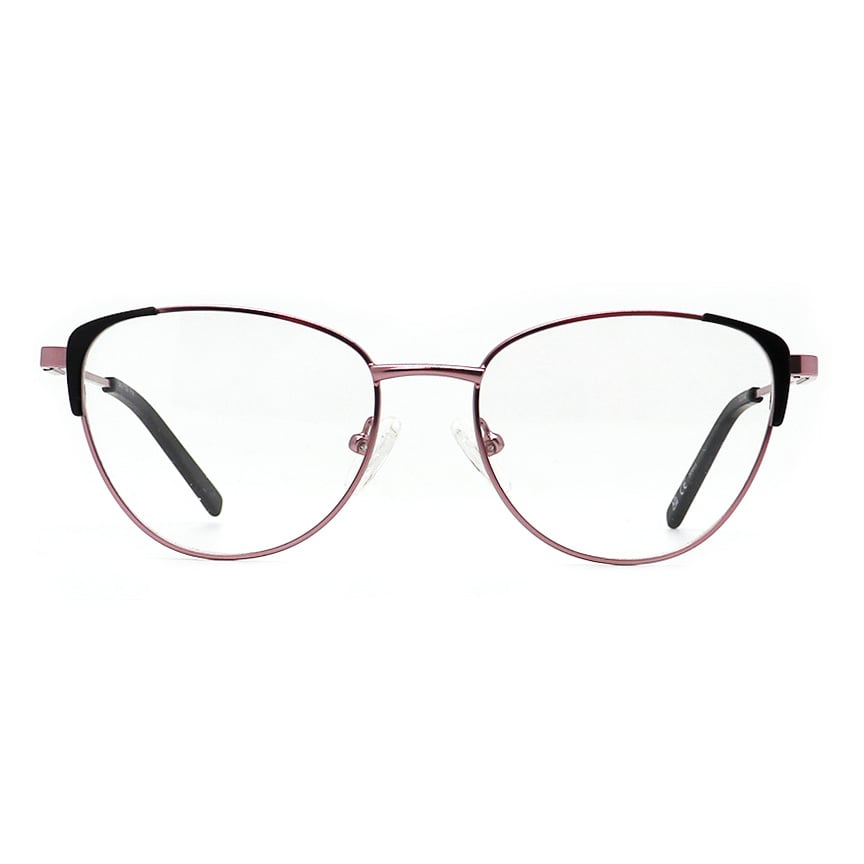
Modern metal frames rely on precise hinge engineering to balance flexibility, strength, and comfort. Whether constructed from stainless steel eyewear, titanium alloys, or other advanced materials, the hinge must accommodate repeated opening and closing without failure. In this guide, we explore the principal hinge types, their mechanical properties, and the factors that should guide your selection when choosing between different metal frames and alloy frames.
Spring Hinges and Their Mechanical Advantages
Spring hinges have become the industry standard for premium metal eyewear due to their superior flexibility and comfort. These hinges incorporate a built-in spring mechanism that allows the frame arms to extend outward beyond the normal 90-degree angle, then return to their original position. This design significantly reduces pressure on the temples and provides a more forgiving fit for users with varying head sizes.
How Spring Hinges Enhance Durability
The spring mechanism in stainless steel eyewear and alloy frames distributes stress more evenly across the hinge joint. Instead of relying on a rigid pivot point, the spring absorbs impact and repetitive motion, extending the overall lifespan of metal frames. This is especially important in professional environments where eyewear undergoes frequent adjustment and daily wear. Spring hinges also reduce the likelihood of micro-fractures that can lead to catastrophic hinge failure.
Comfort Considerations with Spring Hinges
Users of spring-hinge metal eyewear report significantly higher comfort levels compared to rigid alternatives. The flexible extension accommodates different face shapes and temple widths without requiring constant readjustment. For customers seeking premium metal frames with extended wearability, spring hinges represent a worthwhile investment. The spring tension can be calibrated during manufacturing to suit specific aesthetic preferences and functional requirements.
Standard Fixed Hinges in Metal Frames
Standard fixed hinges represent the foundational hinge design used in countless metal frames globally. These hinges employ a simple screw-and-barrel mechanism where the frame arm rotates on a fixed pivot point. While less complex than spring hinges, fixed hinges in stainless steel eyewear offer proven reliability when manufactured with precision and appropriate material specifications.
Design Simplicity and Cost Efficiency
Fixed hinges eliminate the additional components and manufacturing steps required for spring mechanisms, making them more economical to produce. This cost advantage is reflected in the retail price of metal eyewear featuring fixed hinges, appealing to budget-conscious consumers who prioritize basic functionality over premium features. Alloy frames with fixed hinges maintain structural integrity and meet standard durability benchmarks for everyday wear applications.
When Fixed Hinges Perform Best
Fixed hinges work optimally in metal frames designed for individuals who wear their eyewear continuously without frequent adjustment. Since the hinge angle is predetermined, wearers benefit from consistent fit and predictable performance. In professional settings where eyewear remains stationary on the face, fixed hinges in stainless steel eyewear deliver dependable service without the added complexity of spring components. However, users with larger head sizes or those who frequently adjust their frames may experience comfort limitations.
Advanced Hinge Materials and Selection Criteria
The material composition of the hinge itself profoundly influences performance, regardless of whether it employs a spring or fixed design. Premium metal eyewear manufacturers select hinge materials based on specific material properties including tensile strength, fatigue resistance, and corrosion resistance. Understanding these material choices helps consumers evaluate the long-term value proposition of different metal frames.
Stainless Steel and Titanium Specifications
Stainless steel eyewear hinges offer excellent corrosion resistance and reliable strength at relatively modest cost. Medical-grade stainless steel provides superior performance in humid environments and around perspiration. Titanium alloy frames feature even greater strength-to-weight ratios, making them ideal for extended wear comfort. The hinge barrels in titanium metal eyewear withstand significantly higher stress cycles before showing wear, justifying the premium price point for demanding users.
Practical Selection Factors for End Users
When choosing between metal eyewear options, consider your lifestyle and wearing patterns. Active individuals who frequently remove and replace their frames benefit most from spring hinges in quality alloy frames. Office workers who maintain consistent eyewear positioning may find standard fixed hinges in stainless steel eyewear perfectly adequate. Environmental factors also matter—if you regularly face moisture, salt air, or chemical exposure, premium stainless steel eyewear or titanium alloy frames with reinforced hinge construction provide superior longevity. The specific use case ultimately determines whether investing in advanced hinge technology represents true value.
FAQ
Do spring hinges in metal eyewear require more maintenance than fixed hinges?
Spring hinges in metal frames generally require minimal additional maintenance beyond standard cleaning. The spring mechanism is sealed within the hinge barrel, protecting it from debris. However, regular inspection of spring tension remains important; if your metal eyewear feels loose or the arms don't return to position smoothly, professional adjustment may be needed. Fixed hinges and spring hinges both benefit from occasional screw tightening and proper storage to prevent accidental damage.
What is the typical lifespan of metal eyewear hinges?
Quality stainless steel eyewear and alloy frames typically deliver 3–5 years of reliable hinge performance under normal daily wear. Spring hinges may extend this timeline by 1–2 years due to their superior stress distribution. Premium titanium metal eyewear often exceeds 5 years of consistent performance. Lifespan depends heavily on manufacturing precision, material selection, and user care practices. Frames subjected to rough handling or environmental extremes may experience premature hinge wear regardless of initial quality.
Can hinges on metal frames be repaired or replaced?
Yes, professional opticians and eyewear service centers can repair or replace hinges on metal eyewear and alloy frames. Individual hinge barrels, screws, and spring components are available as replacement parts. The cost of hinge repair is typically much lower than purchasing entirely new frames, making it an economical option for metal eyewear with damaged hinges. Some manufacturers provide warranty coverage for hinge defects, so checking your frame documentation before seeking repairs is recommended.



