
 EN
Wire Gauge Selection and Its Effect on Metal Eyewear Strength: A Technical Guide for Eyewear Buyers
Learn how 0.6mm–1.2mm gauges impact strength, hinge life & comfort—plus how to choose right for your lifestyle. Get the technical guide.
Wire gauge selection represents one of the most overlooked yet critical factors in determining the durability and structural integrity of metal eyewear. Buyers often focus on aesthetics, brand reputation, and price point while ignoring the foundational engineering decision that affects how long their metal frames will last. The gauge of the metal wire used in frame construction directly influences flexibility, break resistance, and long-term wearability. Understanding this relationship empowers eyewear purchasers to make informed decisions that align with their actual usage patterns and budget constraints.
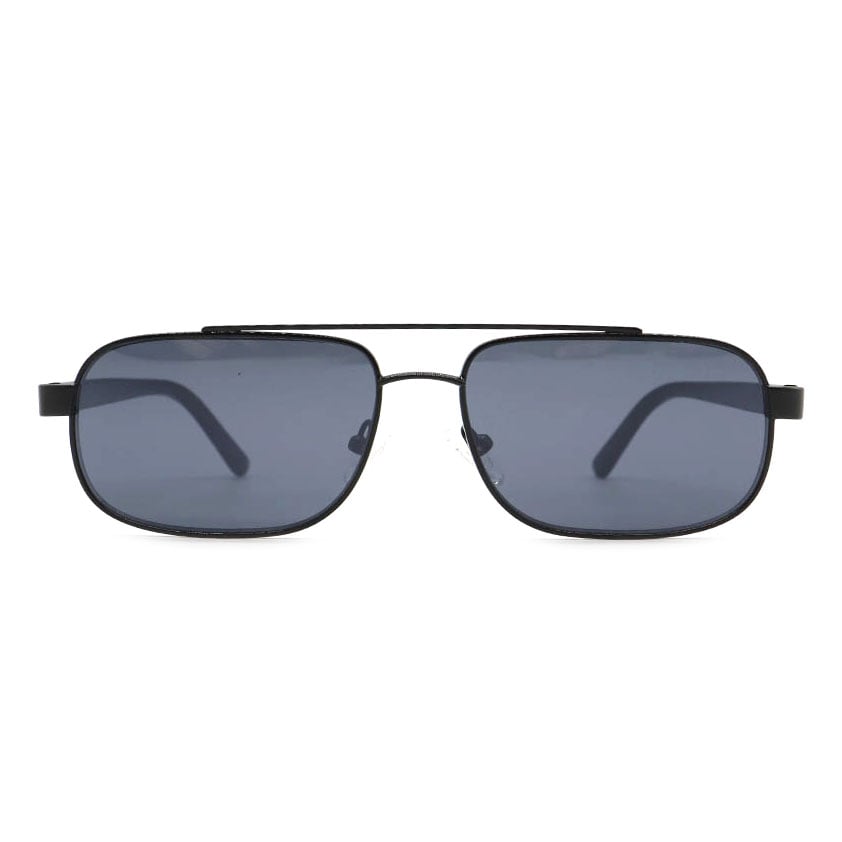
Metal frames, particularly those made from stainless steel eyewear or alloy frames, demand precise wire gauge specifications to balance strength with comfort. Thicker gauges provide superior durability but may increase weight and reduce adjustability. Thinner gauges offer lightweight comfort but sacrifice resilience under stress. This technical guide walks eyewear buyers through the essential principles of wire gauge selection, material science foundations, and practical application scenarios to ensure your investment in quality metal eyewear delivers real-world performance.
Understanding Wire Gauge and Its Measurement Standards
What Wire Gauge Actually Means
Wire gauge refers to the diameter of the metal wire used in eyewear frame construction, measured in millimeters or by numerical gauge rating. In the eyewear industry, gauges typically range from 0.6mm to 1.2mm in diameter. Lower numerical ratings indicate thicker wire, while higher numbers indicate thinner wire. This inverse relationship differs from electrical wire gauge standards, so eyewear specifications must be verified with manufacturers directly. The gauge designation becomes the primary technical specification determining how Metal Eyewear performs under daily use conditions.
Gauge Standards Across Material Types
Stainless steel eyewear commonly uses gauges between 0.7mm and 1.0mm to balance strength with weight distribution. Alloy frames may employ gauges ranging from 0.6mm to 0.9mm depending on the specific alloy composition and desired aesthetic. Titanium options, though less common in budget segments, tolerate thinner gauges due to superior material properties. Metal frames manufactured to ISO 12870 standards typically specify gauge compatibility with intended frame width and bridge design. Buyers should always request wire gauge information from suppliers when selecting metal eyewear, as this specification directly correlates with warranty claims and durability expectations.
How Wire Gauge Affects Metal Eyewear Durability
Structural Strength and Impact Resistance
Thicker wire gauges provide superior impact resistance and structural integrity when metal frames experience accidental drops, crushing forces, or bending stress. A 1.0mm gauge stainless steel eyewear component can withstand significantly more force than a 0.7mm equivalent before permanent deformation occurs. This strength margin becomes critical for buyers with active lifestyles, outdoor professions, or a history of damaging eyewear. Thicker alloy frames similarly demonstrate better longevity in demanding environments. However, this strength advantage requires users to accept marginally increased weight and reduced bridge adjustability compared to thinner-gauged alternatives.
Fatigue Resistance and Hinge Longevity
Metal frames undergo repeated stress cycles each time the temples open and close during daily use. Wire gauge directly determines fatigue resistance—how many opening-closing cycles the hinge can endure before cracking or developing play. Thicker gauges distribute stress more evenly across the frame structure, extending hinge life significantly. Stainless steel eyewear with appropriate gauge specification can survive 10,000 or more hinge cycles, while undersized wire may fail within 3,000 to 5,000 cycles. Alloy frames behave similarly, with gauge becoming the primary predictor of long-term wearability. Buyers prioritizing longevity should specifically request wire gauge data and compare this specification alongside material composition.
Practical Wire Gauge Selection Guidance for Eyewear Buyers
Matching Gauge to Usage Profile and Lifestyle
Selecting appropriate wire gauge requires honest assessment of personal usage patterns and environmental exposure. Desk workers with gentle handling habits can comfortably adopt thinner gauges (0.6mm to 0.7mm) in metal frames, gaining weight savings without durability penalties. Construction workers, athletes, and outdoor professionals benefit from maximum gauge options (0.9mm to 1.0mm) for stainless steel eyewear or alloy frames, accepting modest weight increase for substantially extended frame life. Casual users occupying the middle spectrum might target 0.75mm to 0.85mm gauges that balance comfort and resilience. This pragmatic matching prevents both over-specification (unnecessary weight) and under-specification (premature failure and warranty disputes).
Balancing Gauge with Material and Aesthetic Goals
Material selection interacts directly with wire gauge to determine final performance characteristics. Premium stainless steel eyewear can employ thinner gauges without sacrificing strength due to material superior corrosion resistance and hardness. Alloy frames typically require slightly thicker gauges than equivalent stainless steel designs to achieve comparable durability. Aesthetic preferences also influence gauge decisions—ultra-thin metal eyewear silhouettes require careful gauge engineering to maintain strength, driving up manufacturing costs. Conversely, chunky vintage-styled metal frames can incorporate thicker gauges that both enhance durability and reinforce the bold aesthetic design. Buyers should discuss this interaction with eyewear suppliers to understand how gauge supports their specific material and style preferences without compromising real-world performance expectations.
FAQ
What happens if my metal eyewear frame wire gauge is too thin?
Undersized wire gauge leads to rapid hinge failure, permanent frame bending from minor impacts, difficulty maintaining proper fit, and frequent need for professional adjustments. Stainless steel eyewear and alloy frames with insufficient gauge develop visible play in the hinge mechanism, frames may twist easily during normal handling, and bridge tension cannot be maintained properly. Users experience premature warranty claims, mounting frustration, and ultimately disposability rather than lasting investment value.
Can I upgrade wire gauge in existing metal eyewear?
Upgrading wire gauge on already-manufactured metal frames is not practical or safe. Metal eyewear frame geometry, hinge alignment, and nose pad positioning are engineered specifically for the original gauge specification. Attempting to retrofit thicker wire creates misalignment, introduces structural stress at connection points, and can actually reduce durability. Instead, buyers dissatisfied with frame durability should select new stainless steel eyewear or alloy frames from the outset with appropriate gauge for their needs, ensuring compatibility with bridge width and frame design intent.
How do I verify wire gauge information when purchasing metal eyewear?
Request wire gauge specifications directly from manufacturers or authorized retailers—this data should appear on product specification sheets or technical documentation. Legitimate metal frames suppliers provide this detail as standard, as gauge directly supports warranty claims and durability expectations. Reputable manufacturers of stainless steel eyewear and quality alloy frames publish this information because it demonstrates engineering confidence. If a supplier cannot or will not provide wire gauge data, this absence itself signals potential quality concerns and justifies seeking alternatives with transparent technical specifications.



