
 EN
Electroplating Layers That Protect Metal Eyewear Surfaces: Manufacturing Considerations for OEM/ODM Projects
Master electroplating layers, thickness control, and ASTM testing for durable, premium OEM/ODM production. Get the full guide.
Electroplating serves as a critical protective and aesthetic process for metal eyewear manufacturing, particularly in OEM and ODM production environments where surface quality directly impacts brand perception and product longevity. Metal frames, whether crafted from stainless steel eyewear or advanced alloy frames, require specialized coating layers to resist corrosion, enhance durability, and meet stringent quality standards expected by global eyewear retailers and end consumers. Understanding the electroplating methodology, material compatibility, and process control measures is essential for manufacturers seeking to deliver premium metal eyewear that performs reliably across diverse climatic and usage conditions.
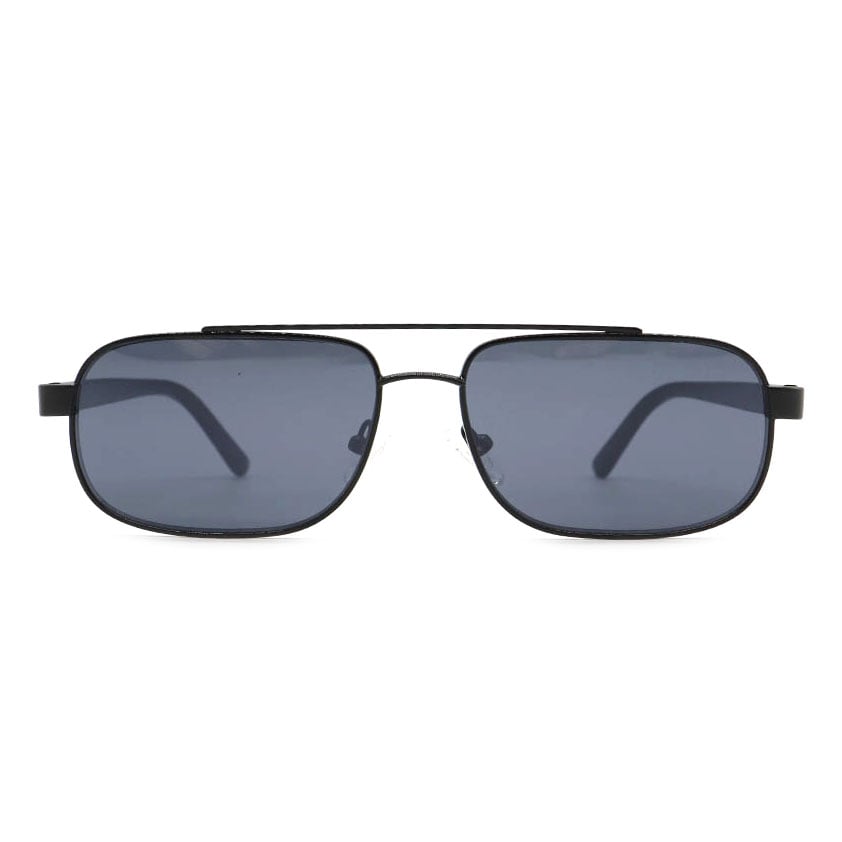
The electroplating process transforms bare metal frames into corrosion-resistant, visually appealing products through controlled deposition of protective metallic or alloy coatings. For OEM and ODM manufacturers, mastering electroplating techniques ensures consistent surface finishes, reduces warranty claims, and strengthens partnerships with international distributors and retailers who depend on durable, aesthetically finished metal eyewear for competitive market positioning.
Understanding Electroplating Layers for Metal Frames
The Purpose of Protective Coatings on Metal Eyewear
Electroplating creates multiple protective layers on stainless steel eyewear and alloy frames to prevent oxidation, salt spray corrosion, and surface degradation from daily wear. The coating system typically includes a base nickel layer for adhesion and corrosion resistance, followed by decorative or functional top layers such as chrome, gold, or specialized alloy finishes. These metal frames benefit from layered electroplating because each layer serves a distinct purpose: substrate preparation ensures proper adhesion, intermediate layers provide corrosion resistance, and top-layer finishes deliver aesthetic appeal and wear resistance.
Layer Composition and Functionality
A typical electroplating system for metal eyewear consists of three primary layers: the strike layer, the build-up layer, and the finish layer. The strike layer, usually nickel or copper, bonds directly to the base metal and prevents the substrate from dissolving into the plating solution. The build-up layer, often nickel, provides thickness and corrosion protection for alloy frames and stainless steel eyewear. The finish layer, which may be chrome, gold, or specialty alloys, delivers final aesthetic characteristics and enhanced surface hardness to resist scratching and environmental exposure.
Manufacturing Considerations for OEM and ODM Electroplating Projects
Pre-Plating Surface Preparation
Successful electroplating of metal eyewear begins with rigorous surface preparation, a step that directly affects coating adhesion and product durability. All metal frames must undergo degreasing, pickling, and activation processes to remove oxides, oils, and contaminants from the base material. For stainless steel eyewear, pickling may require specialized acid solutions due to the material's natural oxide layer. Inadequate surface preparation leads to poor adhesion, premature peeling, and customer returns, making this preliminary stage non-negotiable in OEM and ODM production schedules.
Controlling Electroplating Parameters
OEM and ODM manufacturers must establish strict controls for current density, plating time, bath temperature, and chemical composition to ensure consistent coating thickness and quality across production batches. Current density directly influences deposition rate and coating uniformity on complex metal eyewear geometries, while bath temperature affects solution conductivity and the rate of metal ion migration. For alloy frames and stainless steel eyewear, maintaining optimal pH levels prevents micro-cracking in deposited layers and ensures adhesion between successive coating stages. Documented process parameters, regular solution testing, and trained personnel become critical for maintaining compliance with customer specifications and international quality standards.
Addressing Design Complexity in Metal Eyewear Electroplating
Metal frames present geometric challenges during electroplating due to hinges, bridge areas, and intricate joint designs where coating thickness varies significantly. Low-current-density zones near complex joints risk under-plating, while high-current-density zones may develop uneven deposits or stress-induced defects. OEM and ODM teams address these challenges through fixture design optimization, strategic anode positioning, and tailored current density profiles that compensate for geometry-based variations. Advanced masking techniques ensure that certain areas receive minimal or no plating when specified, preserving functional fits and reducing post-plating rework.
Quality Assurance and Durability Testing for Electroplated Metal Eyewear
Coating Thickness Measurement and Validation
OEM and ODM manufacturers employ non-destructive thickness measurement tools, such as electromagnetic gauges, to verify that electroplated layers on metal eyewear meet specified thickness targets, typically ranging from 10 to 25 microns depending on customer requirements and end-use environment. Coating thickness directly correlates with corrosion resistance longevity; insufficient thickness compromises durability in humid or salt-spray environments, while excessive thickness increases production costs without proportional benefit. Batch testing protocols ensure that random samples from each production run confirm compliance, protecting both manufacturer reputation and end-consumer satisfaction.
Corrosion and Environmental Resistance Testing
Salt-spray testing (ASTM B117) and humidity testing (ASTM D2247) remain industry standards for validating the corrosion resistance of electroplated metal frames and stainless steel eyewear. These accelerated tests simulate years of real-world exposure, revealing potential adhesion failures, micro-cracks, or inadequate layer thickness within a controlled timeframe. OEM and ODM partners often specify minimum performance thresholds—such as 500, 1000, or 2000 hours of salt-spray resistance—depending on end-market geography and customer expectations. Early-stage test failures drive root-cause investigation, prompting adjustments to bath chemistry, plating parameters, or substrate preparation protocols.
Aesthetic and Mechanical Quality Checks
Beyond corrosion resistance, electroplated metal eyewear must exhibit uniform color, glossiness, and surface finish that meet aesthetic specifications for luxury or commercial eyewear brands. Scratches, pits, and surface roughness indicate process defects and create visual defects visible to end consumers. OEM and ODM quality teams conduct visual inspections under controlled lighting, perform adhesion testing via cross-hatch or tape-pull methods, and measure hardness using microhardness instruments. These mechanical tests confirm that coating layers bond securely to the base metal and resist wear from normal handling, cleaning, and daily use of alloy frames or stainless steel eyewear.
Cost Optimization and Supply Chain Integration
Balancing Quality and Production Efficiency
For OEM and ODM manufacturers, electroplating represents a significant portion of production cost and timeline. Optimizing solution chemistry, automating fixture handling, and integrating automated rinse and drying stages reduce per-unit costs while maintaining quality standards. However, rushing plating cycles or reducing layer thickness to cut costs creates long-term risk through warranty claims and customer dissatisfaction. Strategic partners invest in modern plating equipment, implement lean process controls, and foster continuous improvement to achieve cost-competitive pricing without compromising the durability or appearance of metal eyewear.
Environmental and Regulatory Compliance
Electroplating operations generate metal-laden wastewater and require careful handling of hazardous chemicals, making environmental compliance and waste management integral to responsible manufacturing. OEM and ODM facilities must implement treatment systems, chemical recycling programs, and air-quality controls to meet local, regional, and international environmental regulations. Many global eyewear retailers now mandate supplier compliance with environmental standards as part of procurement contracts. Proactive investment in eco-friendly plating chemistries, water recycling systems, and worker safety protocols strengthens customer relationships and ensures long-term operational sustainability in the competitive metal eyewear market.
FAQ
What thickness of electroplating do metal frames typically require?
Metal frames and stainless steel eyewear typically require electroplated coating layers between 10 and 25 microns thick, depending on the intended end-use environment, customer specifications, and corrosion-resistance performance targets. Budget eyewear may use thinner coatings (10-15 microns), while premium metal eyewear destined for tropical or coastal markets often demands 20-25 microns of protective plating. Thicker coatings provide superior longevity but increase production cost and processing time.
How do OEM/ODM manufacturers ensure uniform plating on complex metal eyewear geometries?
OEM and ODM manufacturers achieve uniform plating on complex metal frames and alloy frames through strategic anode positioning, fixture design optimization, and current density profile management. Low-current-density zones are compensated with adjusted electrode placement, while masking is used to protect non-plating areas. Computer-aided fixture simulation and trial batches validate uniformity before full production runs, reducing the risk of over-plating or under-plating on intricate joint and hinge areas.
Which corrosion tests validate electroplated metal eyewear durability?
Salt-spray testing (ASTM B117) and humidity testing (ASTM D2247) are the primary industry-standard methods for validating corrosion resistance of metal eyewear and alloy frames. These accelerated tests expose electroplated samples to harsh environmental conditions, with results indicating expected real-world durability. OEM and ODM customers often specify minimum performance thresholds such as 500, 1000, or 2000 hours without observable corrosion, ensuring products meet international quality and durability benchmarks.



