
 EN
Alloy Composition Differences in Metal Eyewear Frames: A Technical Guide for Eyewear Buyers
Compare stainless steel vs titanium alloy specs, corrosion resistance, weight, and hypoallergenic performance.
Metal eyewear has become a staple in the optical industry, offering superior durability and aesthetic appeal compared to plastic alternatives. The choice of alloy composition in metal frames directly impacts their longevity, comfort, weight, and overall performance. Understanding the technical differences between various alloy materials empowers eyewear buyers to make informed purchasing decisions that align with their specific needs and quality expectations. Whether you're sourcing frames for retail distribution, personal use, or corporate eyewear programs, knowledge of metal frame composition is essential for ensuring customer satisfaction and product reliability.
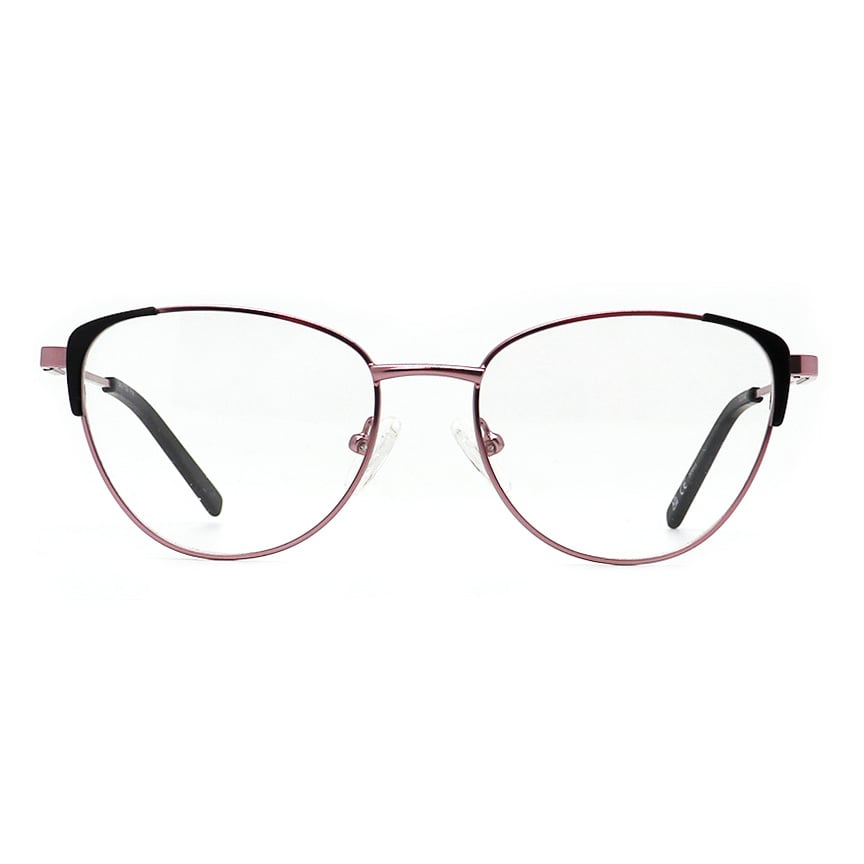
The composition of metal frames determines their resistance to corrosion, flexibility, and hypoallergenic properties. Stainless steel eyewear remains the industry standard due to its exceptional strength and corrosion resistance, while titanium and other specialty alloy frames offer lightweight alternatives for premium applications. Alloy frames vary significantly in their chemical composition, manufacturing process, and quality standards, which directly influence their market positioning and end-user satisfaction. This technical guide explores the key differences between metal eyewear alloys, helping you understand which material specifications best match your business requirements and customer expectations.
Understanding Common Metal Eyewear Alloy Types
Stainless Steel Eyewear Composition and Properties
Stainless steel eyewear dominates the market due to its proven performance characteristics and cost-effectiveness. Standard stainless steel alloys used in metal frames typically contain iron, chromium, and nickel in specific proportions. The chromium content, usually ranging from 13 to 18 percent, provides the characteristic corrosion resistance that makes stainless steel eyewear ideal for long-term wear. Nickel content typically ranges from 8 to 12 percent, enhancing the material's workability and aesthetic finish. This composition creates metal frames that resist rust, maintain their luster over years of use, and tolerate exposure to humidity, sweat, and environmental pollutants without degradation.
Titanium and Specialty Alloy Alternatives
Titanium alloy frames represent a premium category within metal eyewear, offering exceptional strength-to-weight ratios that significantly reduce overall frame heaviness. Beta titanium alloys combine titanium with vanadium and aluminum to create superior flexibility and memory characteristics in metal frames. These specialty alloy frames demonstrate enhanced spring-back properties, meaning they return to their original shape after bending or impact, providing superior durability and comfort during daily wear. While titanium and specialized alloy frames command higher price points than stainless steel eyewear, their extended lifespan and superior hypoallergenic properties justify the premium for sensitive users and demanding applications.
Performance Implications of Alloy Composition Variations
Corrosion Resistance and Environmental Durability
The alloy composition directly determines how metal eyewear withstands environmental challenges over time. Stainless steel eyewear with higher chromium content demonstrates superior resistance to salt water, chlorine, and acidic environments. Metal frames exposed to high humidity environments require alloys with chromium percentages exceeding 16 percent to prevent surface pitting and discoloration. The nickel content in alloy frames also influences corrosion resistance; however, excessive nickel can trigger allergic reactions in sensitive individuals. Manufacturers must balance corrosion protection with biocompatibility when formulating alloy compositions for metal eyewear that meets both performance and safety standards.
Weight Distribution and Wearing Comfort
The density and composition of alloy frames significantly impact their weight and distribution across the wearer's face. Stainless steel eyewear typically weighs more than specialty alloy alternatives, which can cause discomfort during extended wear if frame geometry isn't optimized. Beta titanium alloy frames weigh approximately 40 percent less than comparable stainless steel designs while maintaining superior structural integrity. The spring characteristics of different metal frame alloys also affect how well they maintain fit over time. Alloy frames with superior memory properties reduce the need for frequent adjustments, enhancing user satisfaction and reducing returns or complaints related to comfort degradation.
Selecting Appropriate Alloys for Specific Applications
Bulk Sourcing Considerations for Retailers and Distributors
When sourcing metal eyewear in volume, buyers must evaluate alloy specifications against their target market demographics and price positioning. Stainless steel eyewear offers the optimal balance of cost, durability, and market appeal for standard retail channels. Metal frames with nickel content below 0.05 percent appeal to buyers with metal sensitivities, expanding market accessibility. Understanding the hypoallergenic certifications and testing standards for alloy frames helps retailers confidently market their products to health-conscious consumers. Bulk purchasing agreements should specify alloy composition, chromium and nickel percentages, and compliance with international nickel regulation standards to ensure consistency across inventory.
Premium Positioning and Customer Retention
Positioning higher-end alloy frames requires clear communication of their technical advantages over commodity stainless steel eyewear. Titanium and specialty alloy frames justify premium pricing through superior longevity, reduced weight, and enhanced hypoallergenic properties. Marketing materials should highlight specific alloy composition details, such as beta titanium memory characteristics and corrosion resistance ratings. Customer education programs emphasizing the lifespan benefits and comfort advantages of specialty metal eyewear strengthen brand loyalty and support repeat purchases. Retailers offering tiered options across stainless steel eyewear, premium titanium, and intermediate alloy frames can effectively serve diverse customer segments and maximize revenue potential.
FAQ
What is the difference between stainless steel eyewear and titanium metal frames?
Stainless steel eyewear uses iron-based alloys with chromium and nickel for corrosion resistance, while titanium alloy frames rely on pure titanium combined with vanadium and aluminum for superior strength and significantly lower weight. Titanium metal frames weigh approximately 40 percent less, offer better hypoallergenic properties, and demonstrate superior spring-back flexibility. Stainless steel eyewear typically costs less and provides excellent durability for most applications, making it the industry standard. Titanium alloy frames command premium pricing due to their advanced properties and extended lifespan, making them ideal for customers prioritizing comfort and long-term investment value.
How does nickel content in alloy frames affect sensitive users?
Nickel is a common allergen that can trigger contact dermatitis in sensitive individuals when metal eyewear comes into direct skin contact with high-nickel alloys. Most stainless steel eyewear contains 8 to 12 percent nickel, which meets standard regulations but may still cause reactions in nickel-sensitive users. Hypoallergenic metal frames and titanium alloy frames reduce or eliminate nickel content, providing safer alternatives for sensitive populations. European Union regulations restrict nickel release from metal eyewear to protect consumer health, requiring manufacturers to test their alloy frames against strict nickel leaching standards. When sourcing metal frames for inclusive markets, specify low-nickel or nickel-free alloy compositions to accommodate diverse customer needs.
Why does alloy composition matter for eyewear durability and longevity?
Alloy composition determines how metal eyewear resists corrosion, maintains structural integrity, and performs under stress and environmental exposure over years of daily use. Higher chromium content in stainless steel eyewear enhances corrosion resistance, while appropriate nickel percentages improve workability and flex characteristics in metal frames. Specialty alloy frames with titanium and vanadium combinations demonstrate superior spring-back properties that prevent permanent deformation from minor impacts or adjustments. Inferior alloy compositions deteriorate faster, develop visible corrosion, lose their aesthetic appeal, and eventually fail structurally, resulting in customer dissatisfaction and warranty claims. Investing in properly formulated alloy frames ensures consistent product performance and builds customer confidence in long-term reliability.



