
 EN
Common Rim Deformation Problems in Metal Eyewear: Practical Quality Control Steps
Discover proven QC steps for stainless steel & alloy frames—reduce returns, boost yield, and ensure premium quality.
Rim deformation represents one of the most common quality challenges in metal eyewear manufacturing. When metal frames experience warping, bending, or structural misalignment, the entire product fails to meet industry standards and customer expectations. Understanding the root causes of rim deformation and implementing systematic quality control steps is essential for any manufacturer producing metal frames at scale. This guide walks through practical strategies to identify, prevent, and correct deformation issues before they reach the customer.
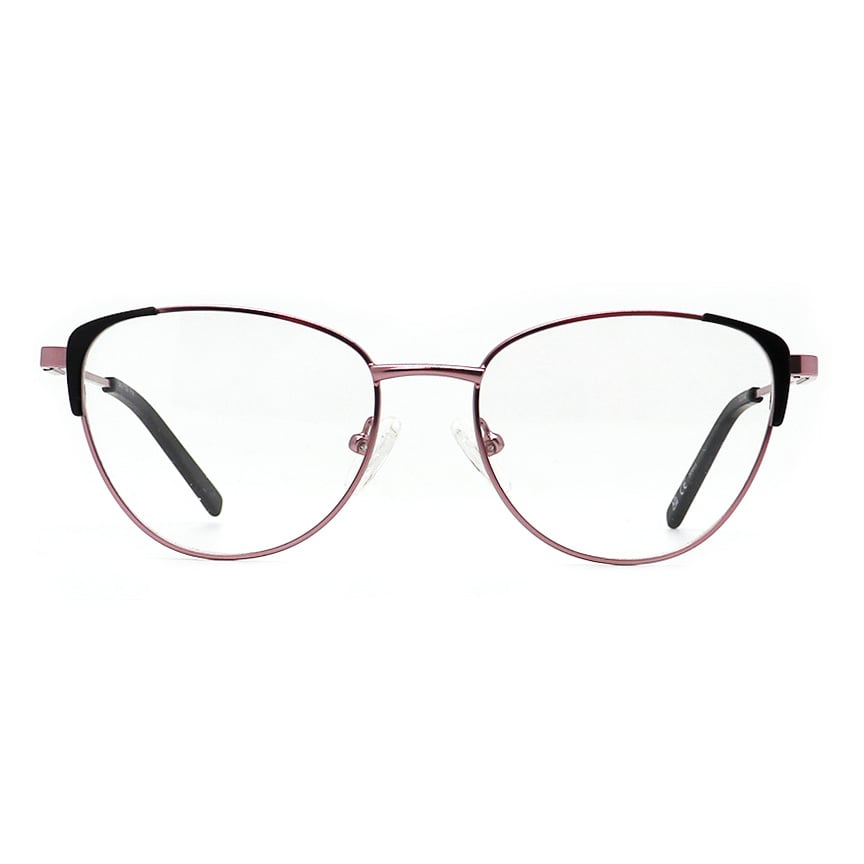
Metal frames demand precision at every manufacturing stage. Unlike plastic materials, alloy frames exhibit zero tolerance for production errors once they leave the factory floor. Stainless steel eyewear and other high-end metal eyewear products require rigorous inspection protocols because deformation defects damage both brand reputation and customer satisfaction. A single batch of compromised metal eyewear can create significant warranty claims and return costs.
Understanding Rim Deformation Sources
Material Stress and Heat Treatment Variables
Rim deformation in metal frames often begins during heat treatment and material processing. When alloy frames undergo annealing or hardening cycles, uneven temperature distribution across the rim can create internal stress patterns. If cooling rates are inconsistent across the frame structure, the metal contracts unevenly, pulling the rim out of its original geometry. Stainless steel eyewear is particularly vulnerable to this issue because stainless steel requires precise temperature management to avoid distortion.
Material composition directly influences deformation risk. Lower-grade alloys with inconsistent grain structure are more prone to warping during thermal processing. High-quality metal frames use consistently graded materials that respond predictably to heat cycles. Quality control teams must verify material certifications and batch consistency before production begins, as substandard alloy frames will show deformation patterns regardless of downstream manufacturing care.
Assembly Pressure and Frame Mounting
Excessive pressure during lens insertion and frame assembly causes progressive rim deformation in metal eyewear. When technicians force lenses into the groove without proper alignment, the rim edges flex outward or compress inward. Over time, repeated mounting stress degrades the frame geometry. Metal frames require calibrated assembly equipment that applies consistent, measured pressure rather than manual force that varies between operators.
Mechanical handling during packaging and transit introduces additional deformation risk. Stainless steel eyewear may appear rigid, but rim edges can still bend under sustained pressure if frames are stacked improperly or placed in undersized boxes. Protecting metal frames during storage and shipping prevents customer-visible defects that originate during logistics rather than manufacturing.
Implementation of Quality Control Testing
Geometric Tolerance Measurement
Precision measurement of rim geometry must occur at multiple production checkpoints. Digital calipers and optical inspection systems verify that rim width, height, and curvature remain within specification tolerances. For alloy frames, measurement should happen after heat treatment, after assembly, and before final packaging. Stainless steel eyewear requires even tighter tolerance bands because customers expect premium consistency from higher-priced products.
Three-dimensional scanning technology provides objective deformation detection that human inspection cannot match. By comparing actual frame geometry against design specifications, quality teams identify deformation patterns before they reach customers. This technology is particularly valuable for high-volume metal eyewear production where manual inspection consistency is difficult to maintain.
Stress Testing and Durability Validation
Applying controlled stress to sample frames reveals whether rim deformation will emerge during customer use. Compression tests, flex tests, and thermal cycling stress frames without causing permanent damage to production inventory. When metal frames fail these stress tests, the manufacturing process can be adjusted before full production resumes. Alloy frames benefit especially from this testing approach because different alloy compositions respond differently to mechanical stress.
Thermal cycling tests expose heat-related deformation that static measurements might miss. Cycling metal eyewear between temperature extremes simulates extended product life and reveals whether rim geometry remains stable. Stainless steel eyewear undergoes these tests because exposure to varied climates during customer use can trigger latent deformation if the manufacturing process introduced internal stresses.
Preventive Quality Measures and Corrective Protocols
Equipment Calibration and Process Standardization
Manufacturing equipment must operate within defined parameters to prevent rim deformation in metal frames. Heat treatment furnaces need temperature uniformity verification before each production run. Assembly presses require annual calibration to ensure pressure consistency. Stainless steel eyewear production benefits from documented standard operating procedures that every operator follows identically, reducing variation that causes deformation.
Regular maintenance schedules prevent equipment drift that introduces gradual quality degradation. Worn tooling in metal eyewear manufacturing can apply uneven pressure across the rim, creating systematic deformation across entire batches. Preventive maintenance captures these issues before they multiply into large-scale waste.
Batch Traceability and Corrective Action Systems
When deformation defects appear in alloy frames, manufacturers must trace the defective batch back to its source. Did the deformation originate in material, heat treatment, assembly, or logistics? Documented batch tracking enables targeted root cause investigation rather than blanket process overhauls. Once the source is identified, corrective action can address the specific failure mode.
Corrective action for rim deformation in metal eyewear must include verification that the fix prevents recurrence. After implementing process changes, sample batches undergo the same quality testing that initially identified the defect. For stainless steel eyewear and premium alloy frames, this verification step ensures customer confidence and reduces warranty claims.
FAQ
What causes rim deformation in metal eyewear during manufacturing?
Rim deformation in metal frames originates from multiple sources including uneven heat treatment temperatures, excessive assembly pressure, material inconsistency in alloy frames, and improper handling during storage or shipping. Heat cycling stress, internal material defects, and worn assembly equipment also contribute to rim distortion. Stainless steel eyewear deformation typically traces to thermal processing variables because stainless steel requires precise temperature control to maintain geometric stability.
How often should quality control testing occur for metal frames?
Quality control testing for metal eyewear should occur continuously throughout production rather than at isolated checkpoints. Geometric measurement of every batch after heat treatment and assembly catches deformation early. Stress testing on representative samples from each production run validates that the manufacturing process maintains consistency. For high-value alloy frames and stainless steel eyewear, daily calibration verification of assembly equipment prevents systematic deformation patterns that affect entire shifts of production.
Can deformed metal eyewear frames be repaired or must they be scrapped?
Minor rim deformation in metal frames can sometimes be corrected through controlled heat treatment or gentle mechanical realignment, but this approach risks introducing new stresses or weakening the material. For stainless steel eyewear and premium alloy frames, repair costs often exceed scrap value, especially when considering additional inspection and testing required to verify repair quality. Prevention through proper manufacturing controls is far more cost-effective than attempting to salvage deformed metal eyewear after production fails quality standards.



