
 EN
Standard Fit vs Low Bridge Fit Optical Frames: Key Differences for Buyers
Struggling with slipping glasses? Discover how bridge width, nose pad placement & frame geometry determine comfort and vision accuracy. Find your perfect fit now.
Choosing the right optical frames involves more than aesthetic preference. The fit of prescription frames directly impacts comfort, vision quality, and how well they suit your facial structure. Understanding the distinction between standard fit and low bridge fit optical eyewear is essential for buyers seeking frames that provide both functionality and style. Bridge width, nose pad placement, and overall frame geometry determine whether optical frames will sit properly on your face and deliver the visual correction you need.
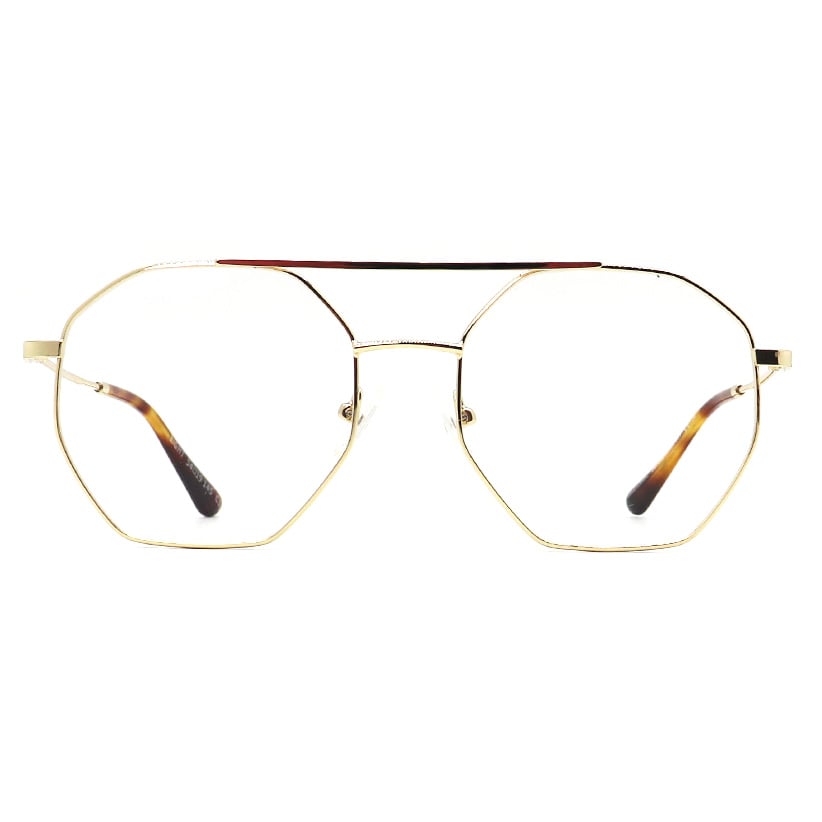
The bridge of an eyeglass frame is the horizontal section connecting the two lenses across the nose. Standard fit optical eyewear typically features a bridge measurement between 18mm and 24mm, accommodating most facial structures. Low bridge fit prescription frames, however, feature bridge widths below 18mm, specifically designed for individuals with lower-positioned or narrower nose bridges. Recognizing your bridge width and facial proportions ensures your selected optical frames deliver optimal comfort and visual performance throughout daily wear.
Understanding Bridge Width and Frame Geometry
What Standard Fit Optical Frames Offer
Standard fit optical eyewear represents the most common frame category, engineered for average facial proportions. These prescription frames feature bridge widths ranging from 18mm to 24mm and are designed with nose pads positioned to accommodate typical bridge heights. When wearing standard fit optical frames, the lenses remain centered over your pupils, ensuring your prescription correction aligns properly with your visual axis. Most eyeglass frames available in mainstream markets follow standard sizing conventions, providing a broader selection of styles and designs.
Characteristics of Low Bridge Fit Frames
Low bridge fit optical eyewear addresses the specific needs of individuals with flatter or lower-positioned nose bridges. These prescription frames incorporate bridge widths below 18mm, with nose pads positioned lower on the frame structure. Low bridge fit optical frames also feature wider temple angles or modified frame geometry to ensure proper alignment despite reduced bridge height. Buyers selecting low bridge fit eyeglass frames experience improved stability and reduced slipping, as the frame design accommodates facial anatomy that standard sizing cannot properly support.
Key Differences in Design and Fit
Nose Pad Placement and Support
The most critical distinction between standard and low bridge fit optical frames lies in nose pad positioning. Standard fit optical eyewear positions nose pads higher, relying on moderate bridge width to distribute weight evenly. Low bridge fit prescription frames relocate nose pads lower and sometimes extend them outward to create contact points that suit flatter bridge anatomy. This design difference prevents the optical frames from sliding down your nose, particularly during physical activity or when wearing without adjustment. Proper nose pad alignment directly influences comfort during extended wear and maintains lens positioning for accurate vision correction.
Temple Angle and Overall Geometry
Low bridge fit optical eyewear often incorporates modified temple angles and wider overall frame geometry to compensate for reduced bridge width. These prescription frames may feature slightly more pronounced angles or adjustable components that standard fit optical frames do not include. The geometric modifications in low bridge fit eyeglass frames ensure that tension distributes evenly across your face rather than concentrating at the bridge. This design approach maintains frame stability without relying exclusively on bridge width, offering buyers with non-standard facial proportions a genuinely functional alternative.
Selecting the Right Fit for Your Face
Measuring Your Bridge Width
Determining whether you need standard or low bridge fit optical frames begins with measuring your bridge width. Your current eyeglass frames typically display three measurements inside the temple: lens width, bridge width, and temple length. Bridge width is the middle measurement and directly indicates which optical eyewear category suits your needs. If your measurement falls below 18mm, low bridge fit prescription frames provide superior comfort and stability. Buyers uncertain about their bridge dimensions should consult an optician who can measure your face and recommend appropriate optical frames for your unique proportions.
Facial Anatomy and Frame Selection
Beyond numerical measurements, your facial anatomy determines optical frame fit. Individuals with wide-set eyes, prominent cheekbones, or flatter nose bridges often benefit from low bridge fit eyeglass frames that account for these proportions. Standard fit optical frames work well for people with average face width, normal nose bridge height, and typical facial symmetry. Testing multiple optical eyewear styles in person remains the most reliable method for assessing comfort and fit. Since prescription frames will rest on your face for eight or more hours daily, prioritizing physical fit over style preferences ensures long-term satisfaction and visual performance.
FAQ
How do I know if I need low bridge fit optical frames instead of standard fit?
Low bridge fit optical eyewear becomes necessary when your bridge width measures below 18mm or when standard fit prescription frames consistently slide down your nose. If your current optical frames require frequent adjustment or leave marks on your nose bridge after short wear periods, low bridge fit eyeglass frames will likely provide better comfort. Consulting an optometrist who can measure your facial proportions ensures accurate selection of appropriate optical eyewear for your unique anatomy.
Do low bridge fit optical frames cost more than standard fit prescription frames?
Pricing for low bridge fit optical eyewear varies by brand, materials, and design complexity, but these prescription frames typically do not cost significantly more than standard options. While specialized low bridge fit eyeglass frames may have limited styles compared to mainstream standard fit options, competition among manufacturers has made premium pricing unnecessary. Budget considerations should not prevent you from selecting the most appropriate optical frames for your bridge width and facial structure.
Can I wear standard fit optical frames if I have a low bridge?
Wearing standard fit optical eyewear with a low bridge anatomy results in poor comfort and potential vision problems. Standard fit prescription frames will sit too high or slip frequently, requiring constant adjustment throughout your day. Additionally, misaligned optical frames may cause your lenses to position incorrectly relative to your pupils, compromising your vision correction. Selecting low bridge fit optical eyewear tailored to your facial proportions eliminates these issues and ensures your eyeglass frames function optimally for both comfort and clear sight.



