
 EN
Acetate vs Metal Optical Frames: Key Differences for Buyers
Compare durability, comfort, allergies, cost & style—make the right choice for your lifestyle. Read now.
Choosing between acetate and metal optical frames is a critical decision for anyone seeking quality eyewear that balances comfort, durability, and aesthetic appeal. Both materials have dominated the eyeglass frames market for decades, yet they offer distinctly different benefits and limitations. Understanding these differences helps buyers make informed choices aligned with their lifestyle, budget, and personal preferences.
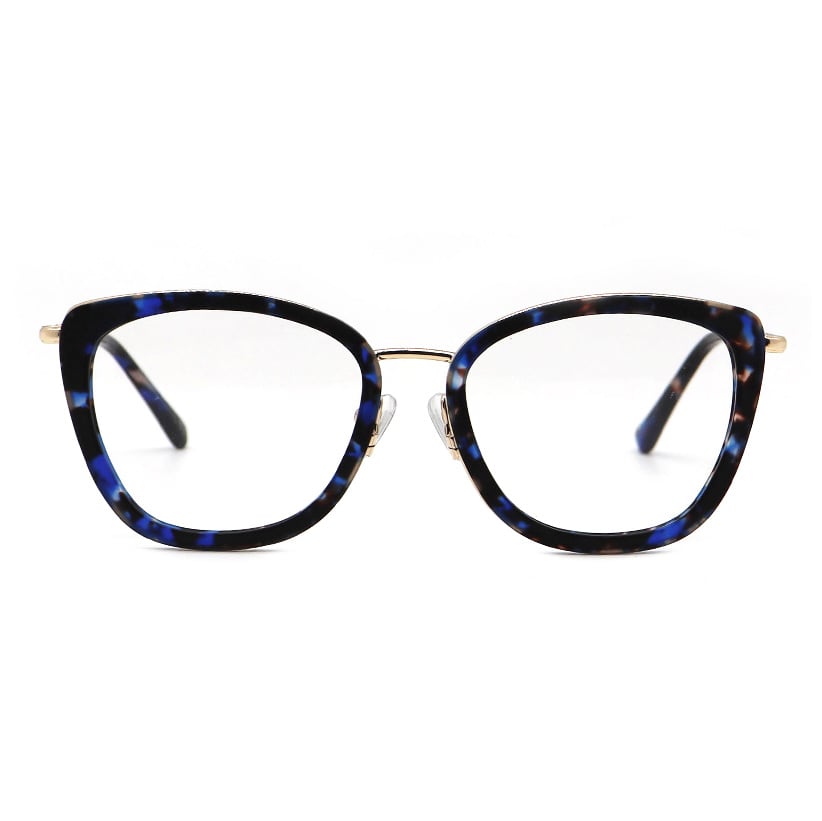
The choice between acetate and metal prescription frames extends beyond aesthetics. Material composition directly influences weight, flexibility, maintenance requirements, hypoallergenic properties, and long-term wear patterns. Professionals in optical retail and frame manufacturing recognize that neither material is universally superior; rather, each serves specific customer segments and use cases. This guide examines the core distinctions to empower buyers in selecting eyeglass frames that truly fit their needs.
Material Composition and Manufacturing Process
Acetate Frame Construction
Acetate is a cellulose-based plastic made from natural sources, mainly wood pulp and cotton linters. Raw acetate pellets are heated, molded, and shaped into frame fronts and temples. Optical eyewear manufacturers then hand-finish them by grinding, polishing, and edge treatment for smooth, refined surfaces. This labor-intensive process allows intricate color combinations, patterns, and translucent effects that define modern optical frames aesthetics.
Acetate's material properties enable vibrant colors and detailed finishes that metal cannot easily replicate. Each pair is individually inspected to ensure prescription frames meet optical and dimensional standards. Its natural origin adds warmth and character, which appeals to fashion-conscious buyers seeking distinctive eyeglass frames.
Metal Frame Engineering
Metal optical eyewear frames employ stainless steel, titanium, aluminum, or specialized alloys chosen for strength-to-weight ratios and corrosion resistance. Manufacturing involves precision stamping, casting, or 3D printing followed by surface treatments such as plating or anodizing. Metal prescription frames undergo rigorous tensile and fatigue testing to ensure hinges, bridge components, and temples withstand repeated flexing over extended wear periods.
The engineering precision in metal eyeglass frames allows manufacturers to create ultra-lightweight designs with minimal material waste. Hinges in metal frames typically employ robust mechanisms using screws or rivets, whereas acetate hinges rely on integrated plastic components that can degrade under stress.
Durability, Comfort, and Longevity Considerations
Acetate Durability and Wear Patterns
Acetate optical frames resist scratches well on polished surfaces and typically withstand daily handling without cosmetic wear. However, acetate is prone to stress fractures under extreme bending or pressure, especially near hinges and bridge areas. Temperature changes can cause minor warping over the years, affecting fit precision. Many wearers report hairline cracks in their acetate prescription frames after three to five years of intensive use, though this varies with care and habits.
Acetate eyeglass frames suit extended wear because the material is slightly flexible and spreads pressure evenly across contact points. Its moderate weight and warmth against the skin feel less clinical than cold metal. However, acetate absorbs moisture over time, which can gradually soften hinges and optical joints, requiring periodic professional adjustment or hinge replacement.
Metal Durability and Wear Resistance
Metal optical eyewear frames demonstrate superior structural integrity and can withstand bending, dropping, and prolonged pressure without permanent deformation when manufactured from quality alloys. Titanium and stainless steel prescription frames often carry lifetime warranties from manufacturers because the material simply does not fail under normal conditions. Hinges in metal frames can be individually replaced without removing the entire frame, reducing long-term ownership costs significantly.
The weight characteristic of metal optical frames varies considerably depending on alloy selection. Pure titanium eyeglass frames deliver exceptional lightness alongside durability, making them ideal for wearers sensitive to pressure on the nose and ears. However, less expensive metal alloys can feel heavier than acetate, potentially causing discomfort during eight-hour wearing sessions. Metal frames also transfer thermal properties more readily, feeling cold initially and requiring adaptation for comfort-sensitive wearers.
Maintenance, Allergies, and Practical Lifestyle Fit
Care Requirements and Maintenance Burden
Acetate optical frames need gentle care to preserve their finish and prevent hairline cracking. Avoid prolonged exposure to direct sunlight, extreme heat, and harsh chemical solvents. Clean with soft microfiber cloths and lens-safe solutions, since abrasive materials permanently damage the polished surface. Acetate prescription frames benefit from annual professional cleaning and conditioning to keep hinges flexible and prevent moisture-related deterioration.
Metal eyeglass frames need minimal care beyond routine cleaning with mild soap and water. Stainless steel and titanium resist oxidation and discoloration, keeping their appearance for years. Hinges stay reliable across temperature and humidity changes and need adjustment only if bent. The low maintenance appeals to buyers who prioritize convenience and durability over aesthetics, making metal optical eyewear suitable for active lifestyles and demanding work environments.
Allergenic Properties and Skin Sensitivity
Acetate's cellulose-based composition poses negligible allergenic risk for most wearers, as it does not react chemically with skin or release irritating compounds. This hypoallergenic advantage makes acetate optical frames preferable for people with sensitive skin, dermatological conditions, or documented metal sensitivities. Wearers report less nasal irritation, contact dermatitis, and bridge redness with acetate prescription frames throughout the day.
Metal optical eyewear, particularly frames with nickel-based alloys, can trigger allergic reactions in susceptible individuals. Approximately 8 to 12 percent of the population has nickel sensitivity, causing localized itching, redness, and swelling where metal touches skin. Hypoallergenic alternatives in titanium, stainless steel, or nickel-free alloys address this but carry price premiums.
Cost Considerations and Value Assessment
Price Positioning and Initial Investment
Acetate optical frames typically sit in the mid-range, reflecting labor-intensive manufacturing and material costs. Entry-level acetate eyeglass frames cost $50 to $150, while designer acetate prescription frames exceed $500. The price gap comes from brand positioning, design complexity, and artisanal finishing rather than raw material. Aesthetic differentiation in acetate optical eyewear justifies premium pricing over comparable metal options.
Metal optical frames span a broader price range depending on alloy and manufacturing precision. Budget metal eyeglass frames start at $40, while premium titanium prescription frames top $400. Titanium occupies the luxury segment due to material scarcity and precision engineering demands. When comparing value, consider total ownership cost, including replacement timelines, repairs, and maintenance, not just the purchase price.
Warranty and Long-Term Value
Most acetate optical frames carry one to two year warranties covering manufacturing defects but excluding mishandling or environmental damage. Retailer extended warranties add cost but offer valuable protection given acetate's susceptibility to stress fractures. Well-maintained acetate prescription frames last three to four years on average before cosmetic or structural wear requires replacement, making replacement frequency a significant cost factor over decades.
Premium metal optical eyewear often includes lifetime warranties or multi-year coverage, reflecting manufacturer confidence in durability. This reduces uncertainty in long-term ownership costs and appeals to budget-conscious buyers seeking maximum value. Over twenty years, durable metal prescription frames may cost less per year than replacing acetate eyeglass frames every three years, despite higher upfront prices.
Aesthetic Appeal and Personal Style Expression
Design Versatility and Customization
Acetate optical frames dominate fashion-forward eyewear because the material enables endless color combinations, tortoiseshell patterns, marble effects, and translucent finishes. Designers use acetate's flexibility to create seasonal collections that reflect current style trends. Acetate prescription frames support bold fashion statements and individual expression, making them a favorite for buyers who prioritize visual distinctiveness and trendy eyeglass frames.
Metal optical eyewear projects sophisticated minimalism and professional refinement through clean lines and understated elegance. Titanium and stainless steel prescription frames suit corporate environments and conservative tastes. However, metal optical frames offer limited customization beyond finishes such as silver, gold, rose gold, or matte coatings.
FAQ
Are acetate optical frames more durable than metal frames?
Metal optical frames generally demonstrate superior durability and longevity compared to acetate prescription frames. Metal alloys resist cracking, warping, and stress-induced failure across decades of wear, while acetate remains prone to hairline fractures and hinge degradation after three to five years. However, acetate frames resist scratching on polished surfaces better than metal. The answer depends on defining durability: if longevity matters most, metal eyeglass frames win; if scratch resistance is priority, acetate optical eyewear excels.
Should people with metal allergies choose acetate optical frames?
Absolutely. Acetate optical frames pose virtually no allergenic risk, making them the safest choice for people with documented nickel sensitivity or metal allergies. Prescription frames made entirely from acetate avoid the contact dermatitis, itching, and redness that sensitive wearers often get from metal eyeglass frames. If budget allows, nickel-free titanium or stainless steel optical eyewear is a premium alternative, but acetate eyeglass frames are the most practical, cost-effective option for allergy management.
Which material suits active or outdoor lifestyles better?
Metal optical frames align better with active lifestyles and demanding environments because they withstand impact, temperature extremes, and moisture exposure without degradation. Titanium prescription frames offer exceptional lightweight durability ideal for athletes and outdoor professionals. Acetate optical eyewear, while comfortable, requires careful handling and consistent protection from environmental stress. UV exposure and temperature fluctuations can warp or crack acetate eyeglass frames.



