
 EN
Face Fit Measurements Before Designing Optical Frames: A Technical Guide for Eyewear Buyers
Accurate face fit measurements ensure optical frame comfort, lens alignment & visual clarity. Get the technical guide.
Selecting the right optical frames begins long before you choose a style or color. Understanding face fit measurements is the foundation of purchasing eyewear that not only looks good but also performs optimally for vision correction. Whether you're an eyewear buyer, optician, or retailer evaluating prescription frames, accurate facial measurements determine comfort, proper lens positioning, and visual acuity. This technical guide walks you through the critical measurements you must take before designing or ordering eyeglass frames.
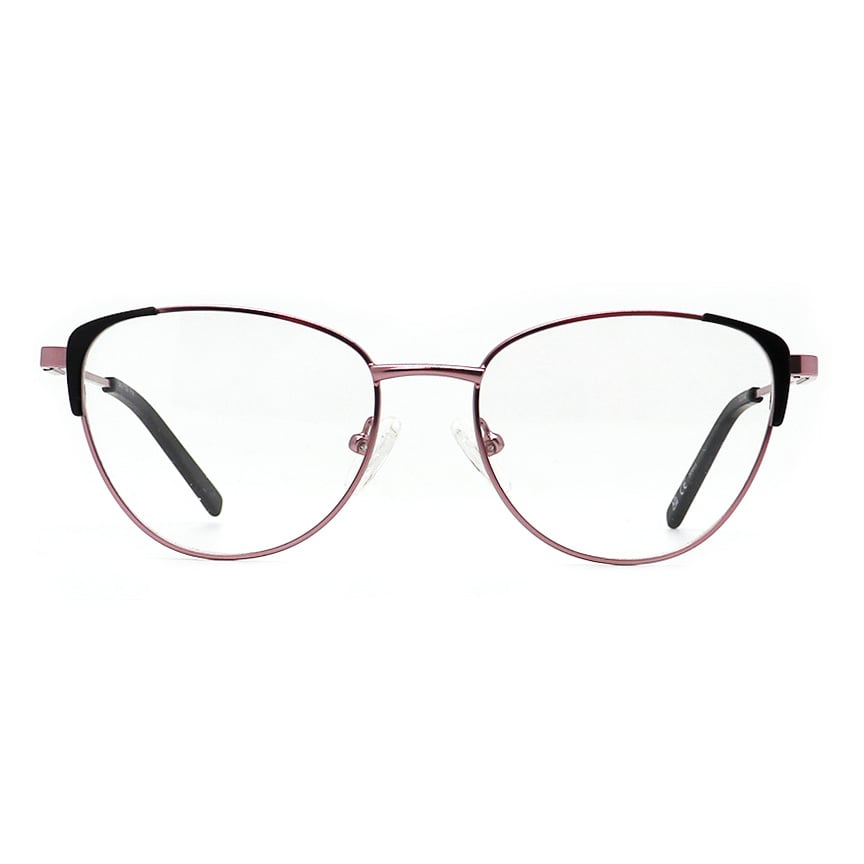
Face fit measurements serve as the blueprint for optical eyewear design. When prescription frames are sized incorrectly, they can cause visual distortion, discomfort, and reduced effectiveness of the corrective lenses. The relationship between your facial geometry and eyeglass frame dimensions directly impacts how light enters your eyes and how evenly the prescription is distributed across your visual field. Taking precise measurements before designing eyeglass frames ensures that every pair delivers maximum comfort and clarity.
Understanding Core Face Fit Measurements
The Bridge Width and Nose Fit
The bridge width is the distance across the top of your nose where the frame sits. This measurement is critical because an improper bridge fit causes the entire frame to shift, affecting lens alignment and creating visual aberrations. When designing prescription frames, the bridge must match your facial anatomy to prevent slipping, pressure points, or uneven weight distribution. A bridge that is too wide creates gaps along the nose, while a narrow bridge applies excessive pressure and discomfort throughout the day. Professional eyewear buyers measure bridge width from the inner edge of one eyehole to the inner edge of the opposite eyehole on the frame.
Temple Length and Ear Position
Temple length determines how the optical frames wrap around your head and rest against your ears. This measurement extends from the hinge point to the temple tip. An accurate temple length keeps the frame stable without sliding forward or backward, which is essential for maintaining proper optical alignment of eyeglass frames. If temples are too short, the frame pulls forward and the lenses shift away from your eyes. If they are too long, they create excess pressure on your ears and can cause the frame to sit too low. Professional measurements account for individual ear position and head shape variations when selecting or designing prescription frames.
Advanced Optical Measurements for Frame Selection
Lens Width and Vertical Dimensions
Lens width measures the horizontal diameter of each lens, while lens height captures the vertical dimension from the top to the bottom of the eyehole. These measurements determine the surface area available for your prescription and affect your peripheral vision coverage. When designing optical eyewear, adequate lens dimensions ensure that your entire visual correction fits within the lens without edge distortion. Buyers must consider their specific prescription strength and visual needs when selecting lens width and height. A higher prescription may require slightly narrower lenses to minimize edge thickness and aberration, while a lower prescription allows for wider lens options. The relationship between lens dimensions and prescription strength is why eyeglass frames must be selected based on your complete optical profile, not just aesthetic preference.
Pantoscopic Tilt and Wrap Angle
Pantoscopic tilt refers to the forward angle at which optical frames sit on your face, measured in degrees. A proper tilt angles the lenses downward slightly, optimizing lens-to-eye distance and improving visual comfort. Wrap angle describes how far the lens curves around the side of your face. Both measurements influence how light reaches your eyes and how peripheral distortion is managed in prescription frames. Professional eyewear buyers and designers use these angles to ensure that optical eyewear provides consistent optical performance across the entire lens, not just the center. Frames with incorrect pantoscopic tilt or wrap angle can cause visual discomfort, especially during extended wear or while reading.
Practical Implementation and Selection Strategy
Measurement Tools and Accuracy Standards
Accurate face fit measurements require proper tools and trained personnel. Digital measurement systems, calibrated rulers, and professional fitting gauges ensure precision when evaluating optical frames. Eyewear buyers should request that all measurements be taken in a controlled environment under standardized lighting. Documentation of measurements creates a repeatable baseline that allows you to order replacement eyeglass frames or new prescription frames with consistent fit and comfort. Many optical practices use frame-sizing applications that calculate your ideal measurements based on facial features and head shape. When designing custom prescription frames, providing your complete measurement profile eliminates guesswork and reduces the risk of receiving ill-fitting eyewear.
Common Measurement Mistakes and How to Avoid Them
A frequent error occurs when buyers estimate measurements without professional tools, leading to frames that don't fit properly. Another mistake is measuring a frame that is already in poor condition, as bent or damaged optical frames produce inaccurate reference dimensions. Some eyewear buyers fail to account for changes in face shape or size over time, assuming old measurements remain valid indefinitely. Pressure, facial bloating, weight changes, and aging all affect face fit, so measurements should be refreshed annually or whenever you experience discomfort in your existing eyeglass frames. Taking measurements while wearing your current frames can also introduce error, as you may unconsciously adjust your posture to compensate for an improper fit. Always measure on a relaxed face, without wearing existing optical eyewear, and have measurements verified by a second trained observer to confirm accuracy.
FAQ
Why do optical frames need precise face fit measurements?
Precise measurements ensure that your prescription frames sit at the correct distance from your eyes, maintain proper optical alignment, and deliver your full corrective prescription without visual distortion. Without accurate face fit data, eyeglass frames may shift during wear, causing blurred vision, discomfort, and reduced effectiveness of your vision correction. Professional measurement eliminates trial-and-error fitting and accelerates the selection process for new optical eyewear.
How often should face fit measurements be updated for prescription frames?
Face fit measurements should be refreshed annually or whenever you notice discomfort in your current eyeglass frames. Age, weight changes, and facial structure evolution affect how optical frames fit. Additionally, if you experience new headaches, eye strain, or slipping frames, it signals that your measurements may no longer be accurate. Updating measurements ensures that replacement prescription frames maintain the same comfort and optical performance as your original eyewear.
Can incorrect face fit measurements affect vision quality in optical eyewear?
Yes, incorrect measurements can significantly impact vision quality. If optical frames sit too far from or too close to your eyes, or if they tilt incorrectly, the lens-to-eye distance changes and your prescription becomes misaligned. This causes visual aberrations, peripheral distortion, and reduced clarity. When eyeglass frames are properly sized using accurate face fit measurements, your prescription performs at its designed optical specification, delivering clear, comfortable vision throughout the day.



