
 EN
How Optical Frame Shapes Affect Progressive Lens Performance: A Technical Guide for Eyewear Buyers
How frame shape, height, tilt, and material impact progressive lens performance—maximize clarity, comfort & adaptation. Get expert eyewear buyer guidance now.
The relationship between optical frames and progressive lens performance is far more critical than many eyewear buyers realize. Your choice of frame shape, size, and material directly influences how effectively progressive lenses function, affecting visual clarity, comfort, and overall wearing experience. Understanding these technical factors empowers you to make informed decisions that optimize your vision correction while ensuring long-term satisfaction with your eyewear investment.
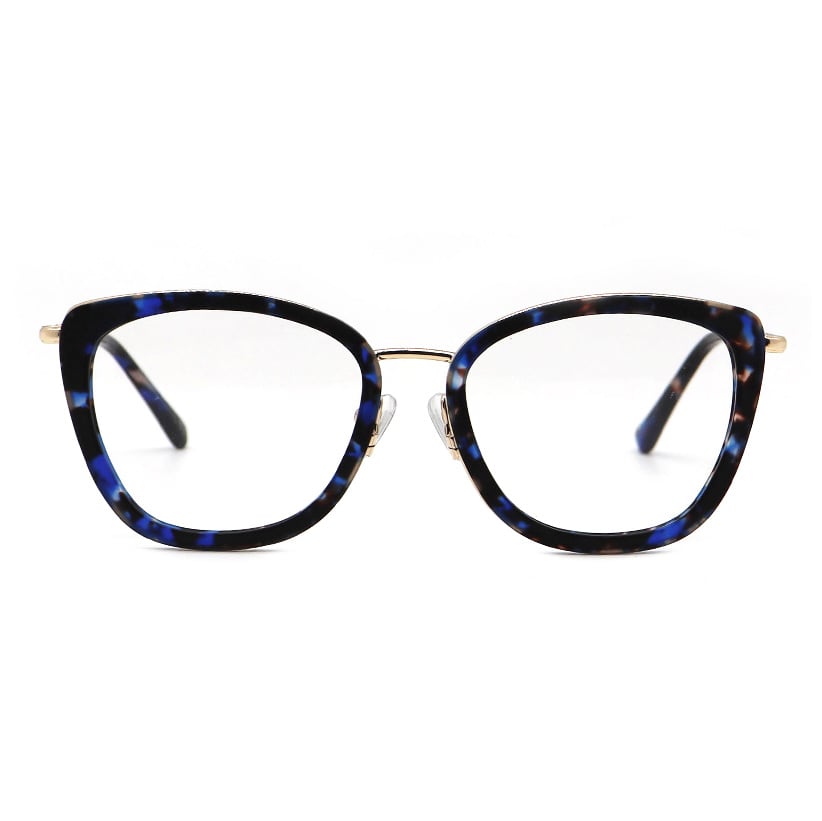
Progressive lenses represent a sophisticated optical technology designed to provide seamless vision correction across multiple distances. However, their performance depends heavily on how well your Optical Frames accommodate this complex lens design. Prescription frames must meet specific geometric requirements to allow the lens zones for distance, intermediate, and near vision to align properly with your eyes and visual needs.
Frame Dimensions and Lens Zone Alignment
Bridge Width and Eye Position
The bridge width of eyeglass frames plays a fundamental role in determining how progressive lenses perform. A proper bridge width positions your eyes within the optimal zones of the lens, ensuring that you access the distance correction when looking straight ahead and the near correction when reading at a downward angle. If the bridge is too wide or too narrow, your eyes may fall into the intermediate zones too frequently, creating blurred vision and eye strain. Prescription frames with accurate bridge measurements ensure your pupils sit in the sweet spot of the lens design.
Lens Height and Visual Field Access
Lens height directly affects your access to all three focal zones in progressive lenses. Eyeglass frames with insufficient lens height restrict your ability to move through the reading zone without tilting your head excessively. This limitation forces unnatural head movements and leads to neck strain. Conversely, optical eyewear with taller lenses provides a broader progression corridor, allowing smoother transitions between distance and near vision. For optimal performance, frames should typically have a lens height of at least 28–32 millimeters for standard progressive designs.
Frame Shape Impact on Optical Performance
Geometric Shape Considerations
The geometric shape of optical frames affects how light passes through the progressive lens zones and reaches your eye. Rectangular and oval-shaped frames tend to provide better alignment with progressive lens geometry because they offer consistent lens height across the visual field. Round or cat-eye shaped frames may create edge distortion zones that fall outside the optimized lens areas, reducing the effective visual field. When selecting eyeglass frames, consider how the shape's vertical dimension supports uninterrupted access to the near vision zone positioned in the lower lens region.
Frame Angle and Pantoscopic Tilt
Pantoscopic tilt, the angle at which frames sit on your face, significantly influences progressive lens performance. Prescription frames angled approximately 8–12 degrees downward from horizontal provide the ideal tilt for progressive design optimization. This angle allows natural eye movement into the reading zone when you look down, without requiring excessive head movement. Improper frame angle forces your eyes to work at positions for which the progressive lens was not optimized, creating peripheral distortion and reducing visual comfort.
Material Properties and Lens Stability
Frame Rigidity and Lens Support
The material and construction quality of optical eyewear determine how well frames support and stabilize progressive lenses. Rigid materials like acetate and metal provide superior optical stability compared to flexible materials. When frames flex or twist, the precise alignment between your eyes and the lens zones is disrupted, causing fluctuating vision quality. High-quality prescription frames maintain consistent geometry throughout the day, ensuring that progressive lens performance remains stable and predictable. Material choice directly correlates with the durability of optical performance and user satisfaction.
Nose Pad Fit and Bridge Support
Proper nose pad fit ensures that eyeglass frames sit at the correct distance from your face, maintaining the designed optical axis alignment. When frames slip down or sit too close, the positioning of your eyes relative to the progressive lens zones shifts, degrading performance. Optical frames with well-designed nose pads keep lenses at the optimal working distance, typically 12–14 millimeters from your eye. This consistency is essential because progressive lenses are optimized for a specific lens-to-eye distance, and any variation reduces the effectiveness of the optical design.
Practical Selection Guidance for Eyewear Buyers
Measuring and Fitting Requirements
When selecting new optical frames for progressive lenses, precise measurements are non-negotiable. Your eye care professional should measure pupillary distance, bridge width, lens height, and frame angle to ensure compatibility with your specific progressive prescription. Eyeglass frames that match these measurements maximize the optical performance of your lenses and minimize adaptation time. Ordering prescription frames online requires particular attention to these specifications because you lack in-person fitting guidance. Always request detailed frame dimensions before purchasing and compare them against your original eyewear specifications.
Comfort and Long-Term Performance
The best optical eyewear combines technical precision with comfortable fit. Frames that sit too tight cause pressure-related headaches and facial discomfort, while loose frames shift during daily activities, disrupting lens alignment. Your optical frames should feel secure during normal movement without pressure points. The relationship between frame fit and progressive lens performance means that comfort directly impacts whether you can successfully adapt to and benefit from progressive lenses. Invest time in proper fitting to unlock the full potential of your prescription frames and visual correction.
FAQ
Can frame shape significantly impact progressive lens adaptation time?
Yes, frame shape substantially affects how quickly you adapt to progressive lenses. Frames with adequate lens height and proper geometry allow smoother transitions through focal zones, reducing adaptation time from weeks to days. Poorly designed optical eyewear forces your eyes to search for comfortable viewing positions, extending adaptation difficulties and creating user frustration. Shape alone doesn't determine success, but combined with proper sizing and alignment, it becomes a critical factor in whether progressive lenses deliver their intended benefits.
What specific measurements should buyers verify when selecting prescription frames for progressive lenses?
Buyers should verify bridge width, lens height, lens width, temple length, and pantoscopic angle. These measurements define how well optical frames accommodate the three focal zones of progressive lenses. Your eye care professional can provide your ideal measurements based on your prescription and visual habits. When ordering eyeglass frames online, request specification sheets confirming these dimensions match your requirements. Missing or inaccurate measurements commonly result in poor progressive lens performance and increased adaptation difficulty.
How does frame material affect progressive lens optical quality?
Frame material directly influences optical stability and lens support consistency. Rigid materials like quality acetate and titanium maintain precise positioning throughout the day, while flexible or lower-quality materials may shift or flex, disrupting the alignment between your eyes and the progressive lens zones. Optical frames made from premium materials also resist warping from temperature changes and daily wear stress. Material choice affects not just durability but the actual optical performance delivered by your progressive lenses.



