
 EN
Supply Consistency Problems for Recycled Eyewear Materials: Quality Control in Production
Discover proven QC strategies, supplier frameworks, and adaptive production tactics. Optimize sustainability + quality now.
Supply consistency remains one of the most critical challenges in modern eyewear manufacturing, particularly when working with sustainable materials. The demand for recycled eyewear has grown exponentially as brands and consumers prioritize environmental responsibility, yet the production landscape faces significant obstacles. Unlike virgin materials with standardized specifications, recycled eyewear components introduce variability at every stage—from material sourcing through final quality assurance. Understanding these supply consistency problems is essential for manufacturers committed to delivering reliable products while maintaining sustainability standards.
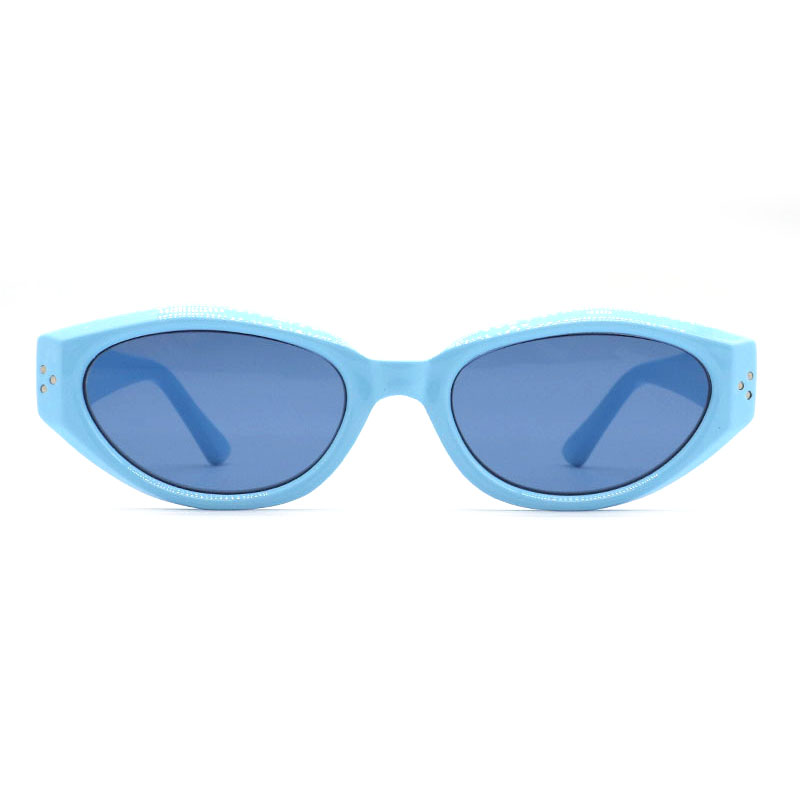
Quality control in production directly impacts brand reputation and customer satisfaction. When manufacturers work with recycled acetate or ocean plastic sunglasses, they encounter material properties that shift based on the source material composition, processing methods, and storage conditions. These fluctuations demand rigorous testing protocols and adaptive production processes. The challenge intensifies because rpet glasses and other recycled materials lack the consistency guarantees that manufacturers have traditionally relied upon with conventional polymers and acetate sources.
Understanding Material Sourcing Variability
The Nature of Recycled Material Inconsistency
Recycled eyewear materials originate from diverse sources, which inherently creates supply consistency problems. Ocean plastic sunglasses, for instance, are manufactured from recovered marine plastic that varies significantly in degradation level, contamination, and molecular structure. Each collection batch contains different plastic types, ages, and environmental exposure histories. Recycled acetate sources face similar challenges, as pre-consumer and post-consumer waste streams produce materials with unpredictable physical and chemical properties.
The processing stage introduces additional variables that compound supply inconsistency. Recycling facilities employ different cleaning, sorting, and granulation methods, meaning identical waste inputs can yield dramatically different material outputs. When manufacturers receive rpet glasses material batches, they may discover unexpected variations in color consistency, transparency, rigidity, or chemical composition—factors that directly influence frame production quality. These sourcing challenges require manufacturers to implement sophisticated material acceptance testing before production begins.
Supplier Coordination and Documentation
Managing multiple recycled eyewear suppliers amplifies supply consistency risks. Unlike established virgin material suppliers who maintain certified production standards, recycling operations vary widely in capability and documentation practices. Manufacturers working with ocean plastic sunglasses producers must establish detailed supplier agreements that mandate material specifications, traceability data, and batch testing results. Documentation gaps create blind spots where quality issues remain undetected until production or customer delivery stages.
Building strong supplier relationships requires ongoing communication about recycled acetate performance data and process improvements. Manufacturers should conduct regular audits of recycling facilities to verify sorting accuracy, contamination prevention, and granule consistency. Establishing long-term partnerships with reliable recycled material providers reduces variability compared to spot-purchasing from unfamiliar sources. However, even established suppliers may experience supply consistency problems when consumer waste volumes fluctuate seasonally or when market conditions shift collection patterns.
Production Quality Control Strategies
Testing and Specification Development
Effective quality control in production begins with comprehensive material testing protocols designed specifically for recycled eyewear components. Manufacturers must establish baseline specifications for recycled acetate hardness, flow characteristics, color stability, and optical clarity before production runs begin. Testing should cover mechanical strength, chemical resistance, and dimensional consistency—properties that directly determine whether frames will meet performance standards and consumer expectations. Rpet glasses require particularly rigorous testing because ocean-derived plastics may contain trace contaminants or degradation products that affect material behavior during molding and finishing.
Specification development for recycled eyewear must include acceptance ranges rather than single-point targets, acknowledging the inherent variability of sustainable materials. Quality control teams should establish upper and lower tolerance limits for key properties while recognizing that recycled acetate from different batches will perform slightly differently. This adaptive approach prevents excessive material rejection while maintaining minimum performance standards. Manufacturers implementing this strategy often discover that carefully managed material variability produces acceptable products, whereas overly rigid specifications result in waste and supply inconsistency problems that disrupt production schedules.
In-Process Monitoring and Adjustment
Real-time monitoring during production protects against quality failures when working with recycled eyewear materials. Injection molding, frame assembly, and finishing processes should include checkpoints where operators verify dimensions, surface quality, and material flow characteristics. Recycled acetate exhibits different mold-filling behavior than virgin material, requiring temperature adjustments, pressure modifications, and cycle-time refinements. Ocean plastic sunglasses production particularly benefits from continuous monitoring because contamination or degraded plastic can create defects such as flow lines, voids, or surface imperfections that compromise aesthetics and functionality.
Manufacturers should implement statistical process control methods specifically calibrated for recycled eyewear production environments. Tracking key metrics such as cycle time, pressure profiles, and first-part dimensions helps identify when material batches behave outside expected ranges. When supply consistency problems emerge during production, operators can adjust parameters within pre-established windows rather than stopping the line entirely. This proactive approach minimizes waste, reduces downtime, and allows manufacturers to extract acceptable production from rpet glasses and recycled acetate batches that might otherwise be rejected.
Inventory Management and Supply Chain Resilience
Buffer Stock and Material Flexibility
Strategic inventory practices mitigate supply consistency problems inherent in recycled eyewear sourcing. Maintaining modest buffer stocks of pre-tested material allows manufacturers to accommodate production schedule changes without depending on single material deliveries. This buffer approach works particularly well when manufacturers source recycled acetate from multiple suppliers, enabling them to blend materials from different batches and reduce batch-to-batch variation. Ocean plastic sunglasses manufacturers benefit from this strategy because collection volumes fluctuate seasonally, making supply unpredictable without adequate material reserves.
Material flexibility—the ability to adjust production formulations or processing methods based on available recycled eyewear components—strengthens supply chain resilience. Some manufacturers develop product variants designed to accommodate material property ranges, allowing them to produce acceptable frames from rpet glasses batches that vary more than ideal. This approach transforms a supply consistency problem into an opportunity for product diversification. However, flexibility must be planned strategically during product design phases rather than improvised reactively during production crises.
Supplier Diversification and Contractual Frameworks
Relying on a single recycled eyewear material supplier increases vulnerability to supply disruptions and quality inconsistency. Manufacturers should develop relationships with multiple recycled acetate and ocean plastic sunglasses providers, creating redundancy that protects production continuity. Contractual agreements should specify material specifications, delivery schedules, traceability requirements, and quality assurance responsibilities. Clear frameworks reduce misunderstandings about acceptable quality levels and establish consequences for supply consistency problems, motivating suppliers to invest in process improvements.
Contractual structures should include price incentives for consistent quality and penalties for specification violations, aligning supplier interests with manufacturer needs. Establishing minimum order quantities and delivery schedules helps suppliers plan production more effectively, potentially reducing variability in recycled eyewear component quality. Long-term supply agreements often enable better material pricing while providing supply certainty that justifies investment in quality infrastructure.
FAQ
Why does recycled eyewear material vary more than virgin material?
Recycled eyewear originates from diverse, unpredictable sources rather than controlled manufacturing processes. Ocean plastic sunglasses come from recovered marine waste with varying degradation and contamination levels. Recycled acetate comes from pre-consumer and post-consumer sources with different aging and processing histories. Virgin materials are produced under standardized industrial conditions with uniform specifications, whereas recycled materials depend on collection, sorting, and processing systems that inherently introduce variability. These supply consistency problems are unavoidable without sophisticated testing and quality control infrastructure.
What quality control measures work best for rpet glasses production?
Effective quality control combines pre-production material testing, real-time process monitoring, and statistical control methods tailored for recycled eyewear conditions. Manufacturers should establish adaptive specification ranges rather than rigid single-point targets, acknowledging that rpet glasses batches will vary. Temperature, pressure, and cycle-time adjustments allow production optimization for each material batch. Documentation systems tracking material properties through production enable traceability and continuous improvement. Regular supplier audits and material acceptance testing create early warning systems for supply consistency problems before they affect production.
How can manufacturers reduce supply consistency problems in recycled eyewear sourcing?
Strategic approaches include developing relationships with multiple recycled acetate and ocean plastic sunglasses suppliers, implementing material buffer stocks for production flexibility, and establishing detailed contractual frameworks specifying quality requirements. Manufacturers should invest in supplier development, helping recycling facilities implement better sorting and processing controls. Building long-term partnerships encourages suppliers to prioritize recycled eyewear quality consistency. Regular audits, material testing protocols, and documentation systems create transparency that identifies and corrects supply problems quickly. Finally, designing products with tolerance ranges that accommodate material variability transforms supply consistency challenges into manageable production variables.



