
 EN
Surface Finishing Methods in Modern Eyewear Production: Key Differences and Selection Factors for High-End Collections
Compare polishing, coatings & material-specific strategies for luxury performance. Download selection checklist.
Surface finishing represents one of the most critical stages in manufacturing high-end eyewear. The quality of this process directly influences the visual appeal, durability, comfort, and market perception of premium eyewear frames. Whether producing optical eyewear, fashion eyewear, or prescription eyewear, manufacturers must select finishing methods that align with material properties, design complexity, and target market expectations. Understanding these methods and their applications is essential for creating collections that stand out in competitive luxury markets.
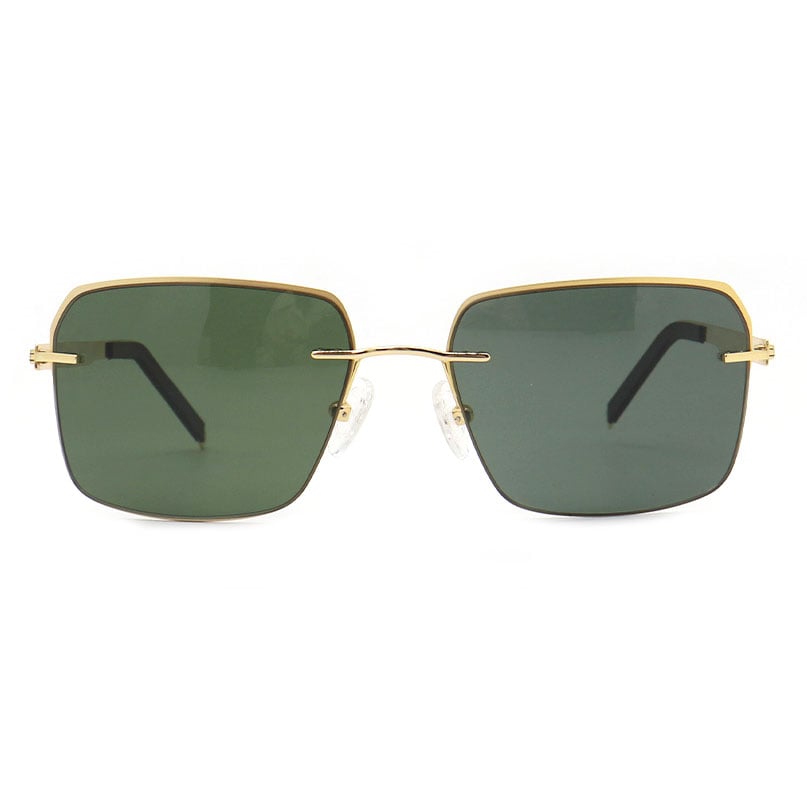
The selection of surface finishing methods depends on multiple factors including frame material, intended use case, budget constraints, and brand positioning. High-end optical eyewear demands different finishing approaches than statement fashion eyewear or durable prescription eyewear designed for everyday wear. Each technique offers distinct advantages in terms of aesthetic outcomes, protective properties, and long-term performance, making informed selection crucial for manufacturers aiming to deliver consistent quality across their collections.
Understanding Core Surface Finishing Techniques
Polishing and Buffing Processes
Polishing and buffing are fundamental surface finishing methods used across all categories of eyewear production. These mechanical processes remove surface imperfections, scratches, and oxidation while creating a smooth, reflective finish. For optical eyewear and prescription eyewear, polishing is often combined with other finishing steps to achieve clarity and dimensional accuracy. The process involves rotating buffing wheels with progressively finer abrasive compounds, allowing manufacturers to control the final sheen level. High-end fashion eyewear frequently employs multi-stage polishing to achieve mirror-like finishes that enhance brand perception and justify premium pricing.
The choice between different buffing compounds and wheel materials affects both the speed and quality of the finishing process. Soft buffing wheels work best for delicate materials such as acetate and certain composite frames, while firmer wheels suit metal frames. For titanium and aluminum eyewear frames, specialized polishing compounds prevent oxidation and maintain the material's natural luster, which is particularly important for premium optical eyewear collections.
Coating and Protective Surface Treatments
Coating technologies have become increasingly important in modern eyewear manufacturing, particularly for fashion eyewear and prescription eyewear that require enhanced durability. Anti-reflection coatings, scratch-resistant layers, and hydrophobic finishes protect both the lenses and frame surfaces from environmental damage. For optical eyewear, these coatings significantly improve functionality and lifespan, reducing maintenance requirements for end users. Manufacturers apply multiple coating layers using vacuum deposition or wet coating methods, each layer serving a specific protective or aesthetic function.
The thickness and composition of coatings must be precisely controlled to maintain optical clarity while providing maximum protection. UV-resistant coatings protect frame materials from fading and degradation, which is essential for fashion eyewear exposed to sunlight. Anti-static coatings prevent dust accumulation on prescription eyewear lenses, enhancing user experience. Each coating type requires specific application equipment and quality control procedures to ensure consistent results across production batches.
Material-Specific Finishing Strategies
Metal Frame Finishing Approaches
Metal frames require specialized finishing techniques that preserve material integrity while enhancing aesthetic qualities. Titanium, stainless steel, and aluminum demand different polishing strategies, surface protection methods, and quality verification procedures. For premium optical eyewear and fashion eyewear made from titanium, electropolishing is often preferred over mechanical polishing because it removes surface layers uniformly without creating stress points. This electrochemical process dissolves microscopic surface irregularities, producing exceptionally smooth finishes that improve both appearance and corrosion resistance.
Passivation treatments protect metal eyewear frames from oxidation and rust by creating an invisible oxide layer on the surface. This process is standard for high-end optical eyewear and prescription eyewear designed for extended wear and exposure to moisture. Brushing and satin finishing techniques are popular for modern fashion eyewear, creating contemporary aesthetics that appeal to style-conscious consumers. Selective polishing and brushing can highlight design features, such as bridge details or temple ends, creating visual interest while maintaining overall frame durability.
Acetate and Composite Material Finishing
Acetate frames, commonly used in premium fashion eyewear and prescription eyewear, require gentler finishing methods than metal materials. The material is inherently sensitive to excessive heat and aggressive abrasion, making polishing speed and buffing wheel selection critical. High-speed polishing can generate heat that warps acetate frames or creates stress fractures, so manufacturers typically use lower-speed equipment with specialized cooling systems. For optical eyewear featuring acetate components, precision and patience during finishing directly impact the final product quality.
Surface patterns and textures can be applied to acetate eyewear through controlled finishing methods that create distinctive finishes without damaging the material. Some high-end fashion eyewear uses hand-finishing techniques combined with mechanical processes to achieve unique surface characteristics. The final polish on acetate prescription eyewear requires balancing aesthetic appearance with practical durability, ensuring the frames withstand regular handling and environmental exposure without losing their visual appeal over time.
Quality Control and Selection Criteria
Testing and Verification Standards
Rigorous quality control processes ensure that surface finishing meets both functional and aesthetic requirements across all eyewear categories. Optical eyewear requires dimensional accuracy and optical clarity verification, which begins with precise surface finishing. Fashion eyewear emphasizes visual consistency, requiring regular inspection for color uniformity, shine levels, and finish symmetry. Prescription eyewear must pass durability tests that simulate extended wear conditions, including resistance to sweat, humidity, and mechanical stress.
Manufacturers employ multiple testing methods including surface profilometry, which measures micro-level smoothness and irregularities, and gloss meters, which quantify finish shine levels objectively. Adhesion testing for coatings ensures protective layers remain bonded during normal use and cleaning. Corrosion testing simulates long-term environmental exposure, particularly important for metal eyewear frames. These quality verification procedures maintain consistency across production runs and build customer confidence in high-end optical eyewear, fashion eyewear, and prescription eyewear collections.
Selecting Finishing Methods for Market Positioning
The choice of finishing techniques directly influences brand positioning and market perception within the eyewear industry. Luxury optical eyewear benefits from hand-finished details and labor-intensive polishing methods that justify premium pricing and communicate quality to discerning consumers. Fashion eyewear collections may prioritize distinctive surface textures and contemporary finishes that appeal to trend-conscious markets. Prescription eyewear designed for everyday durability requires balanced finishing approaches that maintain appearance while ensuring long-term performance and wear resistance.
Production volume and cost structure also influence finishing method selection. High-volume prescription eyewear production typically employs automated polishing systems for efficiency, while limited-edition optical eyewear or fashion eyewear collections may utilize specialized hand-finishing techniques. Manufacturers must balance aesthetic aspirations with production realities, choosing finishing methods that deliver consistent results at sustainable cost levels. Understanding customer expectations and competitive market positioning helps manufacturers select finishing strategies that differentiate their eyewear collections and support business objectives.
FAQ
What surface finishing method is best for premium optical eyewear?
Premium optical eyewear typically benefits from multi-stage polishing combined with protective coatings that enhance optical clarity and durability. For metal frames, electropolishing provides superior surface quality and corrosion resistance. The specific method depends on frame material, design complexity, and target market expectations. Many luxury optical eyewear manufacturers combine mechanical polishing with hand-finishing touches to create distinctive products that command premium pricing.
How do finishing methods differ between fashion eyewear and prescription eyewear?
Fashion eyewear emphasizes distinctive surface aesthetics and visual impact, often employing textured finishes, selective polishing, and contemporary styling details. Prescription eyewear prioritizes durability and practical functionality, requiring balanced finishing approaches that maintain appearance while withstanding extended daily use. Fashion eyewear may incorporate unique finishes that showcase design creativity, while prescription eyewear finishing focuses on consistent quality and long-term wear resistance to meet functional requirements.
Why is coating application important in eyewear production?
Coatings protect eyewear frames and lenses from environmental damage, scratching, fading, and corrosion, significantly extending product lifespan. Anti-reflection, UV-resistant, and scratch-resistant coatings are essential for optical eyewear and prescription eyewear that must perform reliably over extended periods. These protective layers improve user satisfaction by reducing maintenance requirements and preserving visual appeal. For fashion eyewear, coatings enhance durability while maintaining the aesthetic finishes that drive market appeal and consumer preference.



