
 EN
Frame and Lens Spec Choices for Private Label Eyewear Lines: A Technical Guide for Eyewear Buyers
Get actionable specs, tolerance standards, and ODM collaboration tips. Download the guide.
Developing a successful private label eyewear line requires deep understanding of frame geometry, material properties, and optical specifications. Buyers entering the eyewear market must make technical decisions that directly impact product quality, brand perception, and production timelines. These choices begin long before manufacturing starts and involve collaboration with eyewear ODM partners who understand both your brand vision and the technical constraints of eyewear production.
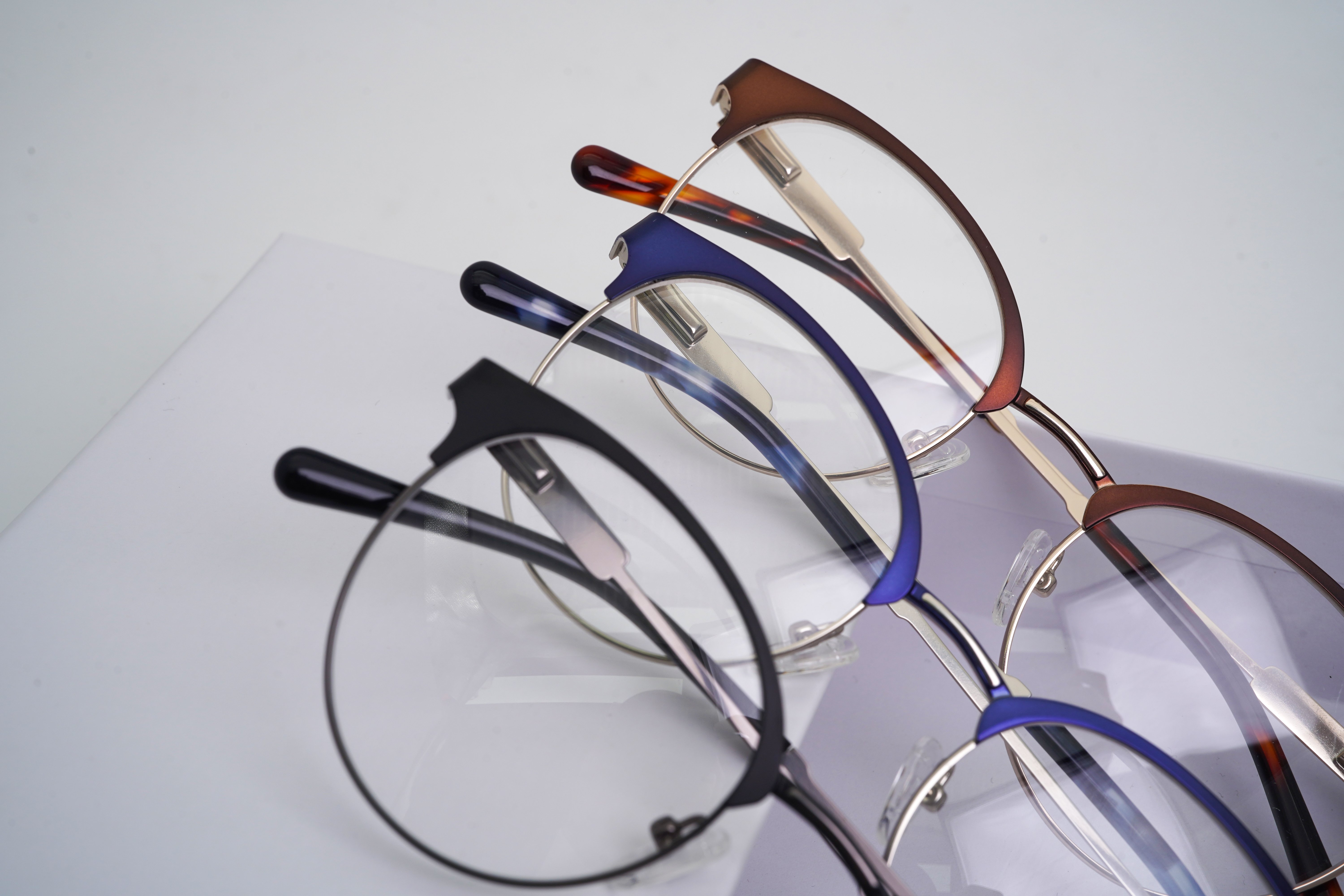
The technical landscape of white label glasses and brand eyewear manufacturing has evolved significantly, offering buyers more flexibility and customization than ever before. Understanding frame specifications, lens options, and material combinations allows you to differentiate your brand while maintaining manufacturing efficiency. This guide walks through the critical technical decisions that define successful private label eyewear product development.
Understanding Frame Geometry and Material Selection
Frame Dimensions and Fit Standards
Frame geometry forms the foundation of eyewear design and directly affects how your product fits customers and achieves your brand aesthetic. Key measurements include front width, lens diameter, bridge width, temple length, and eye size—each specification must align with target demographics and face shapes. White label glasses manufacturers use these dimensions to create molds and production tooling, so precision during the design phase prevents costly revisions later.
When selecting frame specifications for your brand eyewear manufacturing initiative, consider how international size standards apply to your target market. Most eyewear odm factories work with standardized size ranges, but custom modifications are possible at higher volumes. A 50mm lens diameter suits most adult faces, while 46mm works for smaller frames and children. Bridge widths typically range from 16mm to 24mm, and temple length varies from 135mm to 150mm depending on fit requirements.
Material Composition and Brand Differentiation
Frame materials significantly impact durability, appearance, weight, and pricing strategy for private label eyewear lines. Acetate frames offer vibrant colors, comfortable fit, and excellent light diffusion—making them popular for fashion-forward brands. Metal frames provide a premium aesthetic, durability, and precise fit adjustments. Combination materials blend characteristics, allowing eyewear odm manufacturers to create unique designs that combine acetate temples with metal front pieces or vice versa.
Material selection influences production complexity and supply chain decisions. Acetate requires injection molding with careful temperature control to prevent brittleness. Metal frames demand precision machining, plating, and multiple assembly steps. When working with brand eyewear manufacturing partners, specify material grades explicitly—stainless steel versus titanium, virgin acetate versus recycled compounds. These choices affect product lifespan, comfort, and sustainability positioning for your white label glasses.
Lens Specifications and Optical Performance
Lens Type and Functional Features
Lens selection represents one of the most important decisions in private label eyewear development because it determines the product's core function and value perception. Single vision lenses serve customers with one focal distance need. Progressive or varifocal lenses address multiple focal distances without visible lines, commanding premium pricing. Blue light filtering lenses appeal to digital-heavy consumers. Photochromic lenses adapt to light conditions, extending use cases and perceived value.
When partnering with eyewear odm suppliers, clarify which lens types align with your target customer segments. A fashion-forward brand targeting young professionals might prioritize trendy frames with basic single vision lenses. A performance-focused brand might emphasize impact-resistant polycarbonate lenses with anti-scratch coatings. White label glasses can include specialized lens materials—polyurethane for athletes, high-index materials for strong prescriptions—depending on your market positioning and manufacturing capacity.
Coating and Treatment Specifications
Anti-reflective, anti-scratch, and anti-UV coatings significantly enhance perceived quality and durability of brand eyewear manufacturing products. Anti-reflective coatings reduce glare and improve light transmission, creating a premium appearance. Anti-scratch treatments protect lens surfaces during daily wear, extending product lifespan and customer satisfaction. UV protection blocks harmful ultraviolet radiation, a non-negotiable health feature for all private label eyewear.
These coatings add cost but substantially improve customer retention and brand reputation. When specifying coating requirements for your eyewear odm partnership, request samples with different coating thicknesses and qualities. Premium coatings resist flaking and maintain clarity through extended wear, while budget-tier coatings may degrade within months. For white label glasses entering competitive markets, investing in multi-layer coatings distinguishes your products and justifies premium pricing strategies.
Manufacturing Specifications and Quality Control
Tolerance Standards and Precision Requirements
Precise manufacturing tolerances determine whether your private label eyewear functions correctly and meets customer expectations. Frame dimensions must stay within ±1mm for most measurements to ensure proper fit and lens seating. Bridge fitting areas require even tighter tolerances because they directly contact facial anatomy. Temple hinges and lens groove depths demand precision machining, with acceptable variations typically ±0.5mm. Eyewear odm manufacturers maintain these standards through automated inspection equipment and trained quality personnel.
When negotiating manufacturing specifications with brand eyewear manufacturing partners, establish clear quality acceptance criteria upfront. Request inspection protocols that verify frame symmetry, hinge operation, and lens fitting before shipment. For white label glasses, understanding your manufacturer's capability limits prevents design revisions and delays. Some eyewear odm factories excel at high-volume standard production, while others specialize in small-batch custom work. Align your specifications with your chosen manufacturer's strengths.
Testing and Compliance Requirements
Eyewear products must meet international safety and performance standards before market entry. ISO 12312-1 standards govern impact resistance, optical properties, and chemical stability for spectacles. Different regions enforce additional requirements—the United States follows ANSI Z87.1 standards, while Europe uses EN ISO 20653 specifications. Your eyewear odm partner should conduct these tests routinely, but independent verification protects brand reputation and ensures compliance.
For private label eyewear lines targeting multiple markets, confirm that your white label glasses manufacturing includes required safety testing in the planning phase. Impact resistance testing ensures frames survive accidental drops and contact. Optical verification confirms that lens prescriptions meet accuracy standards. Chemical resistance testing proves that coatings withstand cleaning agents and environmental exposure. These compliance steps add timeline and cost, but skipping them creates liability and customer satisfaction risks that far outweigh initial savings.
FAQ
What are the typical lead times for custom private label eyewear production?
Standard lead times for private label eyewear typically range from 8 to 14 weeks depending on complexity and order volume. New frame mold creation requires 4 to 6 weeks, then production and quality inspection require an additional 4 to 8 weeks. White label glasses with existing frame designs available through eyewear odm inventory can reduce lead time to 4 to 6 weeks. Rush orders incur premium fees but are possible. Planning timelines carefully and communicating deadlines clearly with your brand eyewear manufacturing partner prevents costly delays.
How do I choose between acetate and metal frames for my brand eyewear manufacturing line?
Acetate frames suit fashion-focused brands seeking vibrant colors, comfortable fit, and lower costs—typically 20-30% less expensive than metal. Metal frames appeal to professional segments seeking durability, premium appearance, and adjustable fit. White label glasses often combine both materials to balance aesthetics and function. Consider your target customer's lifestyle, climate, and price sensitivity. An eyewear odm manufacturer can produce samples in both materials, helping you evaluate customer response before large-scale production.
What coating options should I specify for high-quality private label eyewear?
Premium private label eyewear should include multi-layer anti-reflective coatings, hard scratch-resistant treatments, and UV protection across the full lens surface. Anti-reflective coatings reduce glare and increase light transmission by 8-10%, improving visual clarity and aesthetic appeal. Scratch-resistant coatings extend product lifespan and reduce customer returns. When collaborating with eyewear odm suppliers, request samples of coating options and ask about durability warranties. Higher-quality coatings cost more upfront but dramatically improve brand perception and customer satisfaction for white label glasses.



