
 EN
Why Eyewear Manufacturer Quotes Vary: Key Cost Factors
Uncover the 7 key cost drivers—from materials and automation to MOQs and coatings. Make smarter supplier decisions now.
When sourcing eyewear products, businesses often discover that quotes from different suppliers can vary significantly. An eyewear manufacturer may provide vastly different pricing for what appears to be identical or similar products. Understanding the drivers behind these variations is essential for making informed purchasing decisions and negotiating effectively with potential suppliers in the eyewear industry.
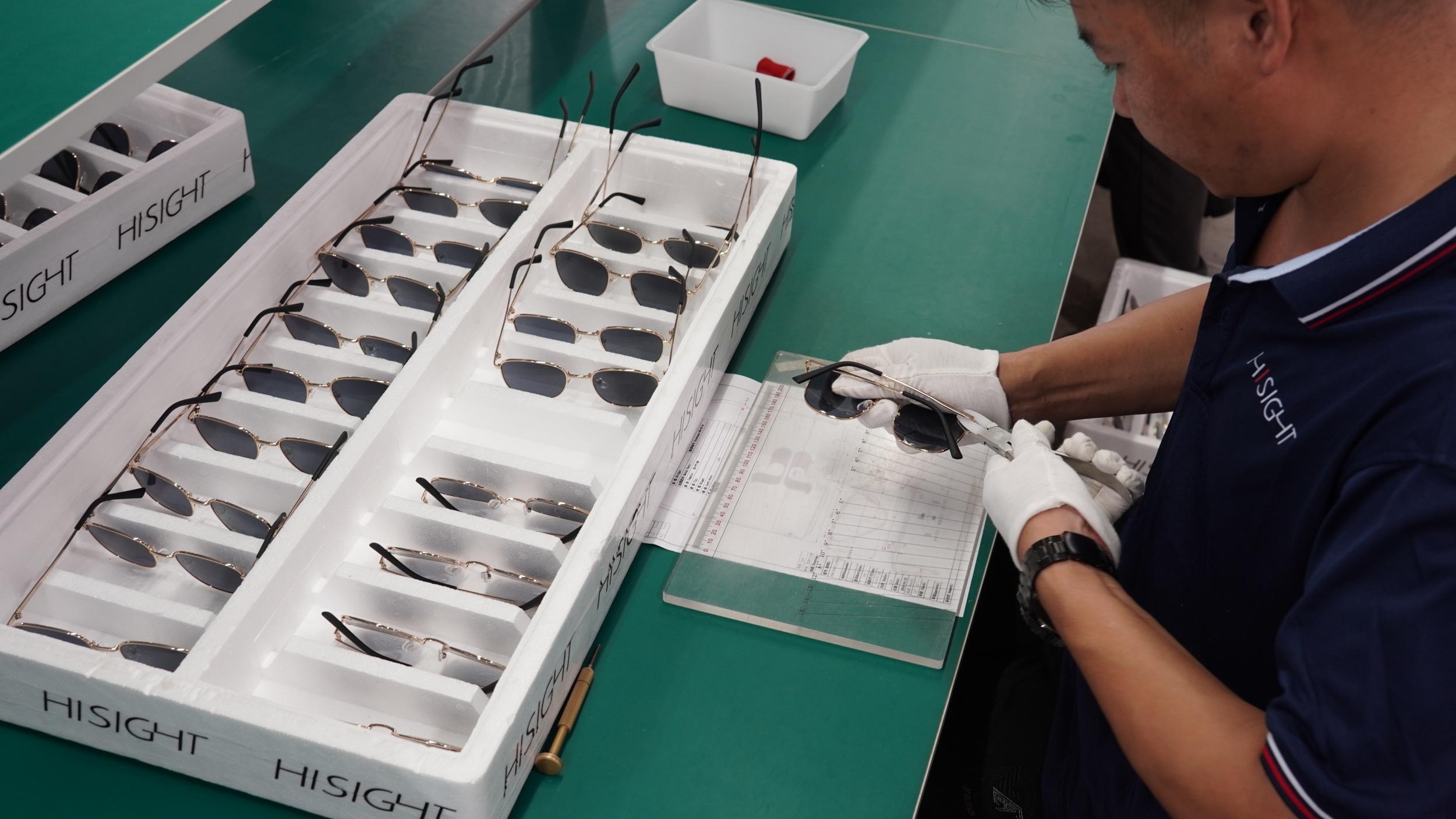
Quote variations stem from multiple interconnected factors including material selection, production volume, design complexity, and operational overhead. A glasses factory operating with different cost structures, labor rates, and manufacturing capabilities will naturally present different pricing tiers. This article explores the primary cost drivers that influence how an eyewear oem factory sets its pricing and why comparing quotes requires looking beyond the headline numbers.
Material Selection and Quality Standards
Raw Material Costs and Sourcing
The choice of materials represents one of the most visible cost differentiators among suppliers. An optical frame manufacturer working with premium materials such as titanium, high-grade acetate, or specialized polymers will charge more than facilities using basic plastic compounds. Material sourcing also varies by geography and supplier relationships. A glasses factory with established relationships to raw material suppliers may negotiate better bulk pricing, while newer operations or those with inconsistent volume commitments face higher per-unit costs.
Different material grades also affect production efficiency and defect rates. Premium materials often flow through machinery more consistently, reducing waste and rework cycles. Budget-conscious suppliers using lower-grade materials may experience higher scrap rates, which they either absorb into their costs or pass along through higher per-unit pricing to maintain margins. An eyewear manufacturer focused on consistent quality typically invests in material testing and certification, adding to their cost structure but reducing customer returns and warranty claims.
Coating and Finishing Options
Anti-reflective coatings, UV protection, scratch-resistant treatments, and color finishes significantly impact manufacturing expense. An eyewear oem factory offering multiple coating options must maintain separate production lines or changeover procedures, increasing operational complexity. Premium coating technologies require specialized equipment and trained personnel. When comparing quotes from different glasses factory operators, those offering advanced coating options will present higher base prices. The choice to include or exclude these finishing treatments directly influences the final quote structure.
Production Volume and Minimum Order Quantities
Scale Economics and Fixed Costs
Production volume is a primary driver of per-unit cost. An optical frame manufacturer with high-volume capacity can distribute fixed costs—equipment depreciation, facility overhead, administrative salaries—across thousands of units. A glasses factory operating at lower utilization spreads the same costs across fewer units, resulting in higher per-unit pricing. Minimum order quantities reflect this reality. Suppliers willing to accept smaller orders often charge premium prices to justify the setup time and reduced efficiency gains from shorter production runs.
An eyewear manufacturer operating at full capacity can also invest in specialized tooling, automation, and process optimization that lower variable costs per unit. Facilities operating below capacity cannot justify these investments, forcing them to rely on more manual processes that increase labor time and reduce competitiveness on price. When obtaining quotes, understanding the minimum order quantity threshold helps explain pricing differences. Some glasses factory operators may offer tiered pricing, with unit costs dropping significantly at higher volume commitments.
Production Planning and Lead Times
Lead time flexibility directly affects pricing. An eyewear oem factory able to accommodate rush orders or shorter production schedules charges premium rates to offset the operational disruption and reduced efficiency. Standard lead times of eight to twelve weeks typically allow better cost optimization than requests for four-week or faster delivery. An optical frame manufacturer with excess capacity might accept rush work at lower premiums, while fully booked suppliers demand substantial price increases. Some glasses factory operations build capacity buffers specifically to offer flexible lead times as a competitive advantage, recovering this cost through higher pricing.
Design Complexity and Customization Requirements
Tooling and Mold Investment
Custom design work requires tooling investment that must be recovered through product pricing. An eyewear manufacturer developing a completely new frame style must create molds, test fits, and validate production processes before full-scale manufacturing begins. This upfront cost is amortized across the total order volume. When comparing quotes from a glasses factory, understanding whether tooling costs are included in the unit price or charged separately clarifies pricing discrepancies. An eyewear oem factory with existing tooling libraries can offer lower quotes by adapting proven designs rather than creating new ones from scratch.
Design modifications also influence tooling requirements. Minor changes to an existing frame design may require partial mold retooling, while substantial alterations necessitate complete new tooling. An optical frame manufacturer presenting a higher quote may be accounting for greater customization complexity or advanced mold-making techniques that improve precision or durability. A glasses factory offering lower pricing might be suggesting design simplifications or leveraging standard components to reduce tooling scope. These distinctions matter significantly when evaluating quote differences.
Engineering and Quality Control Investment
Design complexity extends beyond tooling to engineering support and quality assurance requirements. An eyewear manufacturer investing in computer-aided design, finite element analysis, and prototype testing incurs substantial costs that reflect in pricing. An eyewear oem factory with in-house engineering teams can offer design optimization services, helping clients reduce costs through smarter material choices or manufacturing processes. Conversely, a glasses factory with minimal engineering support may offer lower quotes but provide less design guidance, potentially resulting in higher defect rates or customer dissatisfaction. This trade-off explains why quotes for identical specifications can vary significantly between suppliers with different engineering capabilities.
Operational Efficiency and Labor Structure
Labor Costs and Wage Considerations
Geographic location fundamentally affects labor costs. An optical frame manufacturer located in regions with lower wage structures naturally operates with cost advantages compared to facilities in high-wage countries. This is one of the most straightforward explanations for quote variations. However, labor efficiency varies independently of raw wage rates. An eyewear oem factory with experienced, stable workforce and efficient training programs achieves higher productivity per labor hour, offsetting higher wage costs. A glasses factory with high employee turnover and limited training investment experiences lower efficiency, requiring higher per-unit pricing to maintain profitability even in lower-wage regions.
Automation Level and Technology Investment
The degree of automation in an eyewear manufacturer's facility directly impacts pricing competitiveness. Highly automated operations in modern facilities can produce frames at significantly lower per-unit costs than semi-manual processes. An eyewear oem factory with advanced computer-controlled cutting, shaping, and finishing equipment requires fewer labor hours per unit and produces more consistent quality. Conversely, a glasses factory relying on manual labor for many processes faces higher costs and potentially longer lead times. When comparing quotes, asking about automation levels and equipment age reveals why one optical frame manufacturer charges substantially more or less than another for similar work.
FAQ
Why do eyewear manufacturer quotes differ for the same design specifications?
Quotes vary because eyewear manufacturers operate with different cost structures, material sourcing strategies, automation levels, and overhead expenses. A glasses factory with high-volume capacity and modern equipment can offer lower per-unit pricing than smaller facilities. Additionally, an eyewear oem factory's geographical location, labor efficiency, and process optimization all influence final pricing. Quality standards, coating options, and warranty provisions also differ between suppliers, making seemingly identical specifications carry different costs.
Should I always choose the lowest-cost eyewear manufacturer quote?
Selecting based purely on price is risky. An optical frame manufacturer offering significantly lower quotes may be using inferior materials, offering limited design support, or cutting corners on quality control. A glasses factory with moderate pricing but strong engineering capabilities and consistent quality may deliver better long-term value. Understanding what cost factors drive the pricing difference—whether it's volume discounts, automation advantages, or simpler designs—helps evaluate whether lower pricing reflects genuine efficiency or compromised quality standards.
How does an eyewear oem factory's production volume affect my quote?
Production volume directly determines how an eyewear manufacturer distributes fixed costs across units. A glasses factory operating at high capacity can offer significantly lower per-unit pricing because equipment, facilities, and administrative overhead are spread across many products. Minimum order quantities reflect this reality. An optical frame manufacturer requesting higher minimums typically offers better per-unit pricing. Understanding the supplier's optimal production scale helps explain quote differences and may reveal opportunities for volume-based cost reductions as your business grows.



