
 EN
Why Sunglasses Lens Coatings Scratch Easily: Causes and Prevention in Manufacturing
Discover the materials science, manufacturing flaws, and user habits causing coating failure—and proven prevention strategies.
Lens coatings on sunglasses serve critical functions, including reducing glare, enhancing durability, and providing UV protection. However, many users and manufacturers encounter a frustrating reality: these protective coatings scratch far more easily than the underlying lens material itself. Understanding why sunglasses lens coatings scratch easily is essential for both consumers who invest in quality eyewear and manufacturers who aim to deliver products that withstand daily wear. The causes behind coating vulnerability are multifaceted, rooted in materials science, application processes, and usage patterns that strain the delicate protective layers.
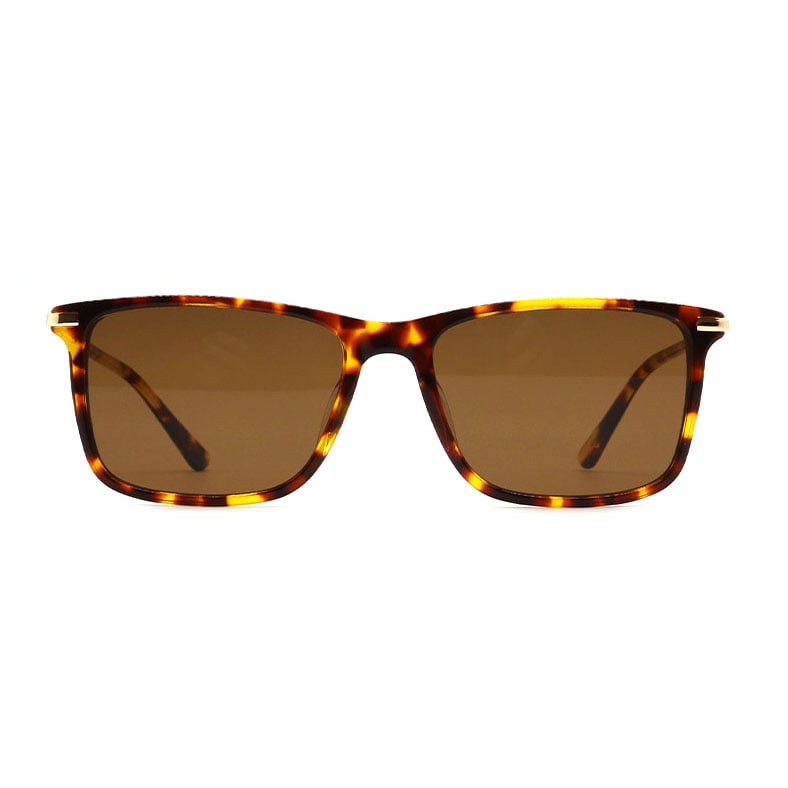
The lens coating industry has evolved significantly, with anti-reflective, hydrophobic, and oleophobic treatments becoming standard features in modern shades and UV protection sunglasses. Despite these advances, coating durability remains a persistent challenge in manufacturing. When customers purchase premium sunwear expecting long-term performance, scratched coatings represent a significant disappointment and quality concern. This article explores the fundamental reasons coatings scratch easily, examines manufacturing vulnerabilities, and presents proven prevention strategies that manufacturers and end-users can implement to extend product lifespan.
Material Science Behind Coating Vulnerability
The Hardness Paradox in Lens Coating Technology
Lens coatings are typically much softer than the base lens material, creating a paradoxical weakness despite their protective intent. Anti-reflective coatings, which reduce glare and improve light transmission, consist of multiple ultra-thin layers of materials like magnesium fluoride, silicon dioxide, or hafnium oxide. These layers are deposited at thicknesses measured in micrometers, creating structures so delicate that minimal mechanical force causes surface damage. When sunglasses experience contact with clothing, bags, or cleaning cloths, the coating bears the initial impact rather than the harder lens substrate beneath it.
Hydrophobic and oleophobic treatments, which repel water and oils, add additional layers to this complex stack. These functional coatings enhance user experience by reducing water spots and fingerprints, but they introduce more vulnerable interfaces where stress concentrates. Manufacturers of shades must balance coating functionality against durability, often making trade-offs that prioritize optical performance over scratch resistance. The adhesion between layers determines whether scratches remain superficial or propagate through multiple coating levels, compromising both appearance and functionality of UV protection sunglasses.
Adhesion Failures and Material Mismatch
Poor adhesion between the lens substrate and coating layers represents a primary cause of scratch susceptibility in sunwear. When coating materials differ significantly in thermal expansion rates or surface energy from the lens material, stress accumulates at interfaces even during normal manufacturing cooling cycles. This pre-existing stress weakens adhesion, making coatings prone to flaking and peeling when subjected to minor mechanical contact. Many manufacturers prioritize production speed over adhesion quality, leading to inconsistent coating-substrate bonds that fail prematurely.
The chemistry of bonding between organic polymers and inorganic coating materials presents inherent challenges. Sunglasses lenses made from polycarbonate or CR-39 plastic exhibit different surface properties than mineral glass alternatives, requiring surface preparation protocols that many producers overlook or abbreviate. Inadequate cleaning, humidity control during coating application, or improper plasma treatment reduces adhesion strength.
Manufacturing Process Limitations and Environmental Factors
Vacuum Deposition and Coating Defects
Most lens coatings are applied using vacuum deposition technologies like electron beam evaporation or magnetron sputtering, processes that demand precise environmental control. Temperature fluctuations, humidity variations, and vacuum chamber contamination directly impact coating quality and thickness uniformity. Shades produced in facilities with inadequate environmental management show accelerated scratching because coating density and molecular structure remain compromised. Manufacturers operating older vacuum systems or cutting corners on maintenance produce inconsistent coating thickness, creating weak zones vulnerable to damage.
The cooling phase after coating deposition creates stress points that predispose sunglasses to scratching. When coated lenses cool too rapidly, differential shrinkage between the coating layers and lens substrate generates internal stress that manifests as micro-fractures invisible to naked inspection. These stress points act as fracture initiators, allowing scratches to propagate deeper than they otherwise would. Quality manufacturers employ controlled cooling protocols and post-deposition annealing treatments to relieve stress, but these steps extend production time and cost.
Quality Control Gaps and Acceptance Standards
Testing methodologies for coating durability vary widely across the sunwear industry, and many manufacturers employ acceptance standards that fall short of real-world usage requirements. Standard scratch tests like the Taber abrasion test use materials and pressure profiles that don't accurately replicate how users handle shades during daily wear. A lens that passes laboratory testing may still scratch easily under normal conditions because the test protocol underestimates actual contact forces and abrasive materials users encounter.
Inconsistent inspection between production batches introduces additional variability. Without automated optical quality assessment, human inspectors miss subtle coating defects that become visible scratches weeks into customer use. Some manufacturers implement random sampling inspection rather than 100% quality verification, allowing defective sunglasses to reach consumers. This cost-cutting approach contradicts the expectation that premium shades should deliver consistent, durable coatings. End-users who purchase sunwear at different times from the same brand may experience vastly different coating performance due to these quality control inconsistencies.
Environmental Exposure and Preventive Measures
Daily Wear Stressors and User Behavior
Even well-manufactured sunglasses scratch easily when exposed to typical environmental stressors and common user behaviors. Dust particles trapped between lenses and cleaning cloths act as grinding abrasives during wiping motions, creating visible scratches. Humidity and temperature cycles during storage cause stress at coating-substrate interfaces, leading to micro-delamination that makes subsequent scratches more severe. Prolonged sun exposure can degrade some coating materials, particularly oleophobic treatments, reducing their scratch resistance over time. UV protection sunglasses left in hot vehicles experience thermal stress that accelerates coating degradation and makes coatings more prone to damage.
Proper storage and cleaning protocols substantially reduce scratching risk even for coatings with inherent vulnerabilities. Microfiber cloths specifically designed for optics protect coatings far better than paper towels or shirttails, preventing particle-induced scratches. Hard protective cases isolate sunglasses from environmental contact and dust accumulation. Users who rinse lenses with water before wiping remove abrasive particles that would otherwise scratch during dry cleaning. These simple preventive practices compensate for coating limitations, extending the scratch-free lifespan of shades significantly. Manufacturers should prioritize educating customers about proper care, recognizing that real-world coating durability depends as much on user behavior as on product design.
Advanced Coating Solutions and Manufacturing Excellence
Forward-thinking manufacturers address coating scratch vulnerability through material innovations and rigorous process discipline. Scratch-resistant hardcoats, typically polymer-based topcoats applied over traditional anti-reflective layers, provide additional mechanical protection for shades and UV protection sunglasses. These hardcoats sacrifice some optical clarity for improved durability, representing a deliberate design choice prioritizing real-world performance. Manufacturers employing advanced vacuum technologies achieve denser, more uniform coatings with superior adhesion and scratch resistance compared to conventional methods.
Competitive advantage in the sunwear market increasingly flows to manufacturers who solve the scratching problem convincingly. Quality manufacturers implement comprehensive testing protocols that accurately simulate user conditions, establish aggressive acceptance standards that reject marginal coatings, and maintain rigorous batch-to-batch consistency. They invest in adhesion-promoting surface treatments, controlled cooling cycles, and stress-relief processes that reduce pre-existing vulnerability. Some implement warranty programs offering free replacement or repair for scratched coatings within warranty periods, signaling confidence in their manufacturing excellence. This commitment to durability builds customer loyalty and differentiates premium shades from commodity products.
FAQ
Why do anti-reflective coatings on sunglasses scratch so easily compared to other lens treatments?
Anti-reflective coatings scratch easily because they consist of ultra-thin, soft material layers deposited on lens surfaces to create interference patterns that reduce glare. These layers are typically micrometers thick and composed of materials significantly softer than the underlying lens substrate. The multiple layer structure creates interfaces where stress concentrates, and weak adhesion between layers allows scratches to propagate rapidly once initiated. Sunglasses with anti-reflective coatings sacrifice mechanical hardness for optical performance, a trade-off that results in coating vulnerability despite providing superior light transmission and reduced glare.
Can manufacturing process changes reduce scratching in sunglasses lens coatings?
Yes, manufacturing process improvements significantly reduce scratching susceptibility in sunwear coatings. Enhanced surface preparation, controlled vacuum deposition with optimized parameters, and stress-relief cooling protocols strengthen adhesion and coating density. Manufacturers employing automated quality inspection, rigorous testing standards simulating real-world conditions, and hardcoat technologies substantially improve durability. Investment in modern vacuum deposition equipment over older systems produces more consistent, scratch-resistant coatings.
What preventive actions help users protect shades and UV protection sunglasses from coating scratches?
Users protect coatings effectively through proper storage, cleaning, and handling practices that minimize contact with abrasive materials. Always use microfiber cloths designed for optics rather than paper towels or fabric, and rinse lenses with water before wiping to remove dust particles that cause scratches. Store sunglasses in hard protective cases rather than leaving them exposed or in soft pouches where dust accumulation occurs. Avoid placing shades lens-down on surfaces, and keep them away from extreme heat that causes thermal stress at coating-substrate interfaces.



