
 EN
Lens Tint Uniformity Loss in Sunglasses After Months of Use: Practical Quality Control Steps
Discover root causes & 5 actionable quality control steps to prevent uneven fading and protect UV performance. Download QC checklist.
Lens tint uniformity loss represents one of the most common quality challenges facing manufacturers and consumers of premium sunglasses. Over months of regular use, even high-quality shades can experience uneven color fading, discoloration patches, or gradual lightening that compromises both aesthetic appeal and functional performance. Understanding the root causes of this degradation and implementing robust quality control steps is essential for maintaining the integrity of eyewear products throughout their lifecycle. This guide explores the mechanisms behind lens tint deterioration and provides actionable strategies to prevent or minimize this issue in your sunglasses inventory.
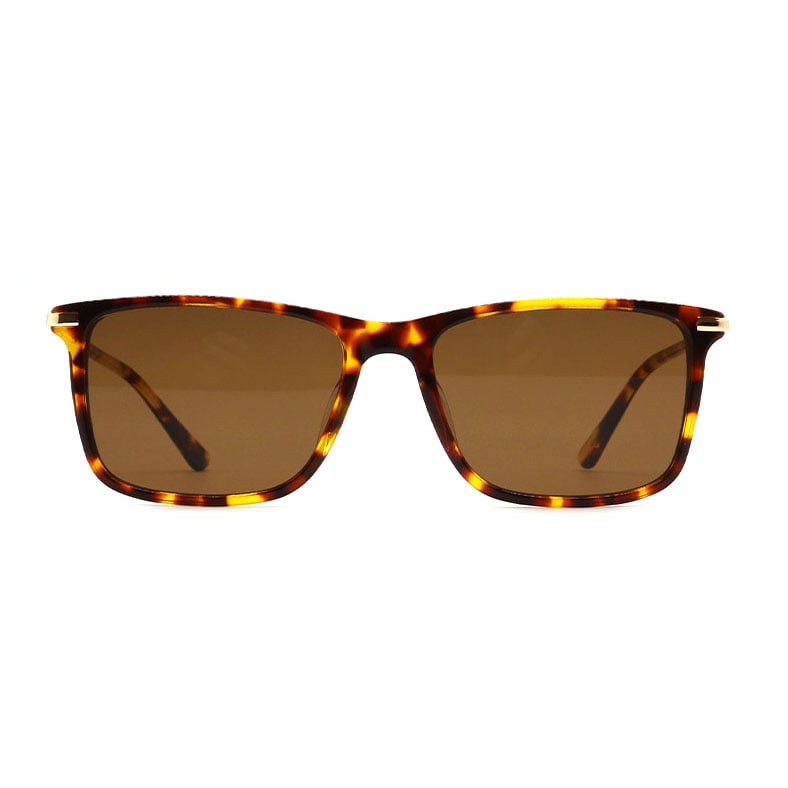
The degradation of lens tint in sunwear is driven by multiple environmental and material factors. UV exposure, temperature fluctuations, humidity, and improper storage conditions all contribute to chemical breakdown of tinting compounds. Unlike simple surface coatings, modern sunglasses often employ advanced tinting technologies—such as gradient tints, polarized layers, and photochromic materials—that are particularly vulnerable to inconsistent fading. Quality control protocols must address each stage of manufacturing, storage, and end-user care to preserve the visual and protective properties that define effective UV protection sunglasses.
Understanding Lens Tint Degradation Mechanisms
Chemical and Environmental Factors in Lens Fading
Lens tint uniformity loss occurs when the colorants embedded in or applied to lens materials break down unevenly. This happens because sunglasses are exposed to intense UV radiation, which causes photochemical reactions that destabilize dye molecules. Different regions of a lens may experience varying levels of UV exposure depending on frame design, wearing angle, and storage habits. Additionally, temperature variations accelerate molecular degradation—lenses stored in hot vehicles or direct sunlight undergo faster color breakdown than those kept in stable environments. Humidity and moisture exposure can penetrate lens coatings and reach underlying tint layers, causing differential fading where exposed edges fade faster than protected central areas.
Role of Material Quality in Tint Stability
The substrate material of shades directly influences tint durability. Polycarbonate, CR-39, and high-index materials each interact differently with tinting compounds and UV filters. Lower-quality plastic substrates may not bond effectively with tint molecules, leading to premature separation or uneven color distribution. Additionally, the type of UV protection sunglasses employs—whether inherent UV-blocking resins or applied coatings—affects how stable the tint remains over time. Gradient tints are particularly susceptible to uniformity loss because the color density varies intentionally across the lens, and this variation can amplify the appearance of uneven fading. Premium materials with superior optical coatings and UV-stable dyes maintain color consistency far longer than budget alternatives.
Implementing Quality Control During Manufacturing
Tint Application and Curing Standards
Effective quality control for sunglasses begins during the tinting process itself. Manufacturers must establish precise specifications for dye concentration, immersion temperature, and curing time to ensure uniform color penetration throughout each lens. Batch testing should verify that all lenses within a production run meet baseline color standards using calibrated colorimeters or spectrophotometers. Temperature control during tinting is critical—inconsistent heat distribution can create hot and cold zones that result in variable tint depth. Additionally, post-curing processes must be standardized to ensure that tint molecules fully stabilize within the lens matrix. Quality control personnel should inspect samples from each batch for visible color inconsistencies, surface defects, and coating integrity before the shades advance to packaging.
Accelerated Aging and Durability Testing
To predict real-world performance, manufacturers should conduct accelerated aging tests on representative sunglasses samples. These tests expose lenses to concentrated UV radiation, elevated temperatures, and humidity cycles in controlled laboratory settings to simulate months or years of use within days or weeks. ASTM and ISO standards provide frameworks for such testing, allowing companies to assess whether tint uniformity will remain stable over extended periods. UV exposure chambers, thermal cycling equipment, and humidity chambers can reveal weaknesses in tint stability before products reach consumers. Any samples showing visible fading, discoloration, or uniformity loss during accelerated testing indicate a need for formula adjustments, material upgrades, or process changes. This proactive approach prevents widespread quality failures and protects brand reputation.
Quality Control Strategies for Long-Term Tint Preservation
Storage and Environmental Management
Once sunglasses leave the factory, storage conditions significantly impact tint preservation. Quality control protocols should specify that inventory be stored in cool, dark environments with stable temperature and humidity levels—ideally between 18–24°C and 40–50% relative humidity. Direct sunlight, fluorescent lighting, and heat sources accelerate chemical breakdown of tints in shades. Packaging materials should provide UV-blocking protection, and products should be stored in opaque boxes rather than clear displays that expose them to ambient light. For retail environments, rotating stock regularly ensures that older inventory doesn't experience prolonged light exposure. Educating distributors and retailers about proper storage reduces premature tint degradation before consumers even purchase the sunglasses.
Consumer Care Instructions and Documentation
Quality control extends to ensuring that consumers understand how to maintain their sunwear properly. Detailed care instructions should accompany every pair, recommending storage in protective cases, avoidance of extreme heat, and regular gentle cleaning with appropriate cloths and solutions. While end-user behavior cannot be fully controlled, clear communication about UV protection sunglasses limitations helps set realistic expectations. Documentation should explain that tint uniformity loss is a normal consequence of extended outdoor exposure and that noticeable fading after 12–24 months of regular use does not necessarily indicate a defect. This transparency reduces unwarranted warranty claims while educating consumers about the importance of proper care. Including warranty information that specifies coverage for manufacturing defects versus normal wear helps distinguish quality failures from expected aging.
FAQ
Why does tint uniformity loss occur faster in some sunglasses than others?
Tint durability depends on the quality of materials, UV-stable dye formulations, and lens coatings used during manufacturing. Lower-cost shades often employ inferior tinting compounds that break down more rapidly under UV exposure. Additionally, frame design affects UV exposure patterns—oversized frames provide better coverage and protect lens edges from intense radiation, while smaller frames expose more of the lens surface to direct sunlight. Storage conditions and user habits also play significant roles; sunglasses kept in hot vehicles or direct sunlight fade faster than those stored properly.
Can accelerated aging tests accurately predict real-world tint performance?
Accelerated aging tests provide valuable predictive data by compressing months or years of UV exposure and environmental stress into controlled laboratory timeframes. However, they cannot perfectly replicate all real-world variables such as intermittent use patterns, specific climate conditions, or individual care practices. These tests are best used as comparative tools to identify which sunwear formulations, materials, and manufacturing processes perform best relative to competitors and industry standards. Combining laboratory results with field testing and customer feedback provides the most comprehensive understanding of long-term tint stability.
What quality control measures prevent uneven fading in gradient tint sunglasses?
Gradient tints require especially rigorous quality control because their intentional color variation across the lens can mask or amplify fading inconsistencies. Manufacturers should use high-resolution colorimeters to measure tint density at multiple points across the lens surface—top, middle, bottom, and corners—to verify that gradient profiles remain uniform. Batch testing and documentation should confirm that the gradient progression matches specifications. Additionally, UV-stable dye selections and protective coatings specifically formulated for gradient applications help maintain color consistency. Accelerated aging tests should focus specifically on gradient shades to identify any areas prone to preferential fading, allowing manufacturers to adjust processes before production increases.



