
 EN
How Lens Tint Density Affects Visibility in Sunglasses: Manufacturing Considerations for OEM/ODM Projects
How tint density impacts light transmission, UV protection, and real-world visibility in custom sunglasses.
The relationship between lens tint density and visibility is fundamental to designing effective sunglasses that balance visual clarity with protective performance. Manufacturers producing sunglasses for OEM and ODM projects must understand how tint depth influences light transmission, contrast perception, and wearer comfort across different lighting environments. Lens tint density directly affects how much visible light reaches the eye, which in turn determines whether the sunglasses deliver optimal performance in bright daylight, moderate sun conditions, or variable weather. This manufacturing consideration becomes critical when developing custom sunglasses formulations that meet specific market demands and regulatory requirements.
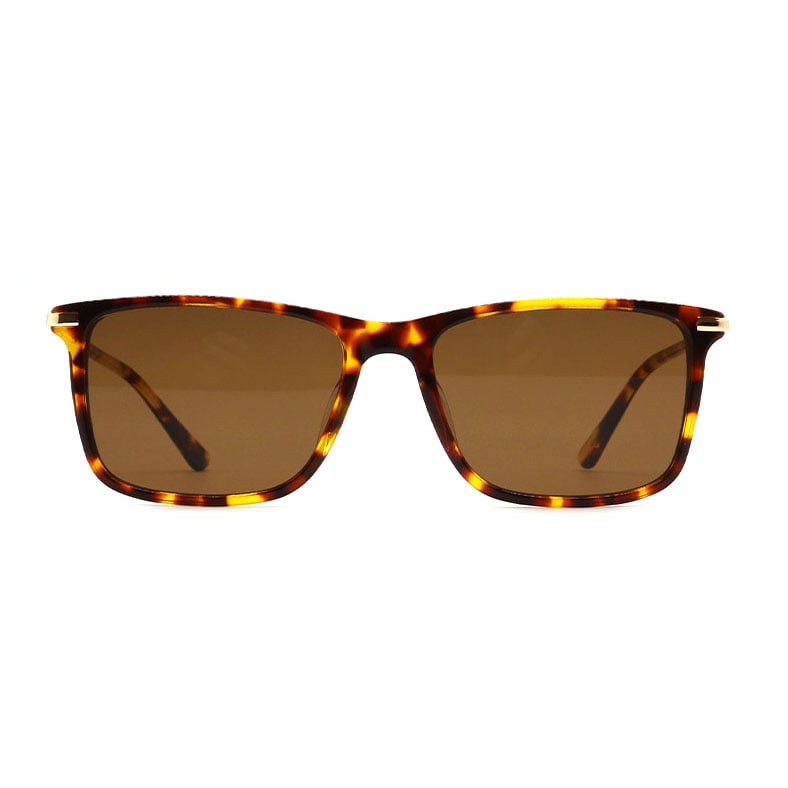
When producing shades for retail or wholesale channels, understanding the interplay between lens tint density, environmental conditions, and end-user application is essential. Different market segments demand varying tint levels: sports enthusiasts require darker, more specific tint densities to reduce glare during high-intensity activities, while casual wearers prefer versatile sunwear that performs across multiple situations. Manufacturers must calibrate tint density to ensure that UV protection sunglasses not only shield the eye from harmful ultraviolet radiation but also maintain adequate visibility for safe driving, reading, or outdoor navigation.
Understanding Lens Tint Density and Visibility Performance
How Tint Density Controls Light Transmission
Lens tint density refers to the concentration and depth of coloring applied to or integrated into the lens material itself. Higher tint densities absorb or reflect more incoming light, reducing the amount that penetrates to the wearer's eye. Sunglasses with heavy tint densities transmit less visible light—typically between 8 and 15 percent—while lighter tints allow 20 to 40 percent transmission. This variance has profound implications for visibility in different lighting scenarios. A sunglasses lens with excessive tint density may provide superior glare reduction on a bright beach but render the wearer nearly blind in indoor spaces or low-light driving situations. Conversely, insufficient tint density fails to adequately reduce glare, defeating the primary protective purpose and causing eye strain.
Visibility Zones and Tint Suitability
Manufacturers must recognize that optimal tint density depends heavily on intended use cases. For general-purpose outdoor shades, densities allowing 15 to 25 percent light transmission balance glare reduction with practical visibility. Sports sunwear designed for water reflection or snow activities often requires darker formulations at 8 to 12 percent transmission to minimize intense reflected glare. Polarized sunglasses add another layer of complexity—the tint density and polarization work synergistically to eliminate glare reflections, sometimes allowing slightly lighter tints to achieve the same visual comfort as non-polarized options. Driving-specific UV protection sunglasses must maintain sufficient visibility of dashboard instruments and road signage while reducing headlight glare, typically requiring mid-range tint densities of 20 to 35 percent.
Manufacturing Variables That Control Tint Density
Material Selection and Dye Integration
The base lens material—whether polycarbonate, trivex, glass, or acetate-based polymers—significantly influences how tint density is achieved and perceived. Some materials accept surface tints while others require bulk coloration where the dye is integrated throughout the material during manufacturing. Polycarbonate shades can achieve consistent tint densities through injection molding with integrated colorants, ensuring uniform performance across mass-produced units. Gradient tints, where density varies from top to bottom, present additional manufacturing challenges requiring precise control over dye distribution during lens formation. Manufacturers specify tint density through Visible Light Transmission (VLT) percentages, which directly correlate to the subjective darkness of the lens.
Interaction with Lens Coatings and Treatments
Modern sunwear often incorporates multiple layers: base lens material with integrated tint density, anti-reflective coatings on internal surfaces, and hydrophobic or oleophobic surface treatments. These coatings can subtly alter the perceived tint density and visible light transmission characteristics. An anti-reflective coating on the back of the lens reduces internal reflections, effectively increasing the light reaching the wearer's eye and making the sunglasses appear slightly lighter than the core tint density would suggest. Conversely, mirrored or flash coatings add surface reflection that further reduces transmitted light, allowing manufacturers to achieve deeper apparent tint densities without requiring higher base dye concentrations. For UV protection sunglasses, the UV-blocking compounds and anti-reflective treatments must be coordinated with tint density specifications to ensure that both ultraviolet protection and visible light control meet target performance levels. This coordination is especially critical in OEM/ODM production where specifications must be clearly communicated to prevent manufacturing deviations that compromise the intended visibility and protection balance.
Strategic Manufacturing Decisions for OEM/ODM Projects
Specification and Quality Control Protocols
Successful OEM/ODM partnerships require precise tint density specifications, typically documented through published VLT percentages and reference samples. Rather than vague descriptors like 'dark' or 'medium,' specifications must state exact light transmission ranges—for example, 'VLT 18% to 22%' for sports shades or 'VLT 30% to 35%' for versatile casual sunglasses. Quality control processes should include spectrophotometric measurement of sample lenses to verify that production batches meet specification ranges. Manufacturing partners must establish baseline performance standards using calibrated instruments, then maintain consistency through regular testing intervals. Documentation of tint density specifications, baseline measurements, and batch-by-batch verification results protects both the OEM client and the manufacturing partner by creating clear accountability for product performance. Additionally, sensitivity testing under different lighting conditions—simulating bright sunlight, overcast conditions, and indoor environments—helps validate that the specified tint density delivers acceptable visibility across the range of intended use scenarios.
Balancing Cost, Performance, and Market Positioning
Tint density decisions directly impact manufacturing cost and product positioning. Achieving very dark tint densities in sunwear requires higher dye concentrations or additional coating layers, increasing material costs and potentially extending production time. Manufacturers must balance performance aspirations with market price expectations and production efficiency. Premium shades targeting fashion-forward consumers might feature gradient or specialty tints that command higher prices but require more sophisticated manufacturing processes. Volume-driven products for mass retail demand cost-effective, consistent tint densities achievable through standard production methods. UV protection sunglasses marketed for specific applications—such as driving or water sports—justify investment in optimized tint formulations because end-users expect superior performance. OEM/ODM partners should discuss these trade-offs early in project planning, ensuring that tint density specifications align with production capabilities, cost targets, and market positioning. Understanding the relationship between tint density, visibility, and pricing allows manufacturers to design products that meet customer expectations without unnecessary over-specification or performance shortfalls.
FAQ
What is the relationship between lens tint density and ultraviolet protection in sunglasses?
Lens tint density and UV protection operate independently in most sunglasses formulations. A lens can be very dark (high tint density, low light transmission) but offer minimal UV protection if the base material lacks UV-blocking compounds. Conversely, a light tint can provide full UV protection sunglasses performance if the lens material or coatings include sufficient UV absorbers. The tint density controls visible light reduction and glare management, while UV protection comes from material composition or specialized coatings. However, a slightly darker tint combined with effective UV blocking creates the perception of stronger eye protection and often improves user comfort by reducing overall light exposure. Manufacturers must specify both characteristics independently to ensure customers understand that darkness and UV protection are distinct protective mechanisms.
How does tint density affect the appearance and quality of vision in shades during different activities?
Tint density profoundly influences visual experience across activities. For bright water or snow sports, heavy tint densities eliminate painful glare reflections and reduce eye fatigue, making sunwear essential for safe performance. Driving requires balanced tint density—dark enough to reduce headlight glare but light enough to see dashboard instruments and traffic signals clearly. Casual outdoor activities tolerate moderate tint densities that provide comfortable glare reduction while maintaining natural color perception and clarity. Fashion-forward sunglasses may prioritize aesthetic impact over optimal visibility, using specialized tints that enhance appearance even at the cost of slightly reduced clarity. OEM/ODM manufacturers must recognize these differences when developing shades for specific market segments, ensuring tint density aligns with the primary activity and end-user expectations.
What manufacturing processes control tint density consistency in mass-produced sunglasses?
Consistency in tint density across mass production requires precise control of dye concentration, material formulation, and manufacturing temperature profiles. For sunwear injection-molded from polycarbonate or other thermoplastics, colorants are premixed into the resin at exact ratios before molding, ensuring uniform distribution and density. Surface tinting processes apply dye or coating layers using calibrated spray, dip, or roller application equipment to achieve consistent coverage. Spectrophotometric testing of sampled lenses from each production run verifies that visible light transmission falls within specification ranges, typically 1 to 3 percent variance. Manufacturing partners use reference samples and baseline standards to guide production settings, and they document all adjustments to dye concentrations or process parameters. This systematic approach ensures that UV protection sunglasses and specialty shades maintain consistent performance and appearance across thousands of units, meeting OEM/ODM quality standards and protecting brand reputation in retail markets.



