
 EN
Lens Base Curves and Their Impact on Sunglasses Comfort: A Technical Guide for Eyewear Buyers
Learn how base curves (4–10) impact fit, clarity, and UV protection. Choose the right curve for your face & lifestyle—get expert guidance now.
Choosing the right sunglasses involves more than selecting a frame style you like. The lens base curve—a critical optical specification—directly affects how sunglasses sit on your face, how clearly you see, and how comfortable they feel during extended wear. Understanding lens base curves helps eyewear buyers make informed decisions about which sunglasses will truly work for their lifestyle and visual needs.
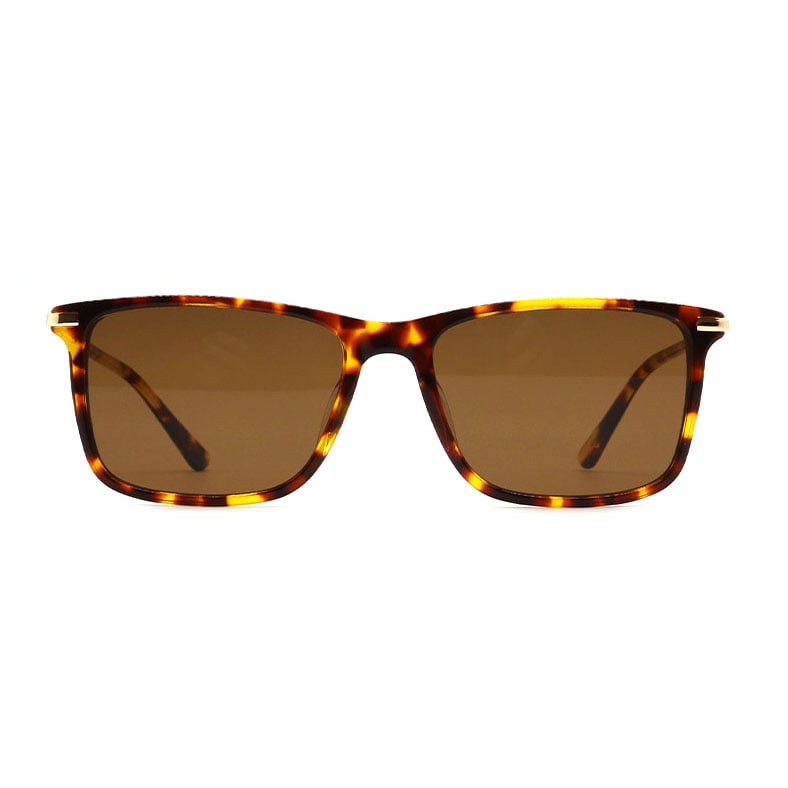
The base curve is the radius of curvature across the front surface of a lens, measured in diopters. Most shades use base curves ranging from 4 to 10 base, with higher numbers indicating a more curved, wrap-around shape. This single parameter influences fit, optical distortion, and how well your UV protection sunglasses shield your eyes from harmful rays. Buyers who understand base curves can better evaluate comfort, durability, and long-term satisfaction with their eyewear investment.
Understanding Lens Base Curve Fundamentals
What Is a Base Curve and Why It Matters
A lens base curve describes the curvature of the front lens surface and is expressed in diopters, which represent the optical power needed to match that curve. In practical terms, a low base curve (4 to 6) creates a flatter lens profile, while a high base curve (8 to 10) produces a wrap-around effect. This curvature affects how light bends through the lens and how the frame positions the lens in front of your eyes, making it essential when selecting quality sunglasses.
Base Curve Impact on Frame Fit and Comfort
The base curve directly determines how shades conform to facial contours. A lens with a lower base curve sits more parallel to your face, while a higher base curve wraps around the temples and sides, offering better peripheral coverage and a snug, secure fit. When the base curve matches your facial geometry, the sunglasses rest comfortably without creating pressure points, sliding down your nose, or leaving marks behind your ears. Poor base curve selection can result in discomfort during activities like sports, driving, or outdoor work, making the right choice crucial for all-day wear.
Optical Performance and Visual Clarity
How Base Curves Affect Distortion and Aberration
A lens's base curve influences optical distortion, particularly at the lens edges. Lower base curves tend to reduce chromatic aberration and edge distortion for wearers with normal visual demands, while higher base curves may introduce subtle distortion at extreme viewing angles. However, modern sunglasses lenses are designed to minimize these effects across various base curve ranges. Understanding this trade-off helps buyers select shades that balance wrap-around comfort with clear, undistorted vision at all viewing angles.
Prescription Integration and UV Protection Sunglasses Technology
For those needing prescription correction, the base curve becomes even more critical. The base curve determines how the prescription correction is ground into the lens, affecting both optical quality and final comfort. UV protection sunglasses with prescription requirements must match both the base curve and the wearer's optical prescription to deliver clear vision and full UV protection. Buyers requiring prescription shades should consult with eyewear specialists to ensure their base curve selection works seamlessly with their vision correction needs.
Selecting the Right Base Curve for Your Lifestyle
Activity Level and Fit Requirements
Your daily activities determine the ideal base curve for your sunglasses. Sports enthusiasts and outdoor workers benefit from higher base curves (8 to 10) that provide secure, wrap-around positioning and extended peripheral vision protection. Casual wearers who prefer a flatter, less aggressive look might choose base curves between 5 and 7. Fashion-forward buyers can explore shades with designer frames, though even aesthetic choices should include consideration of base curve to ensure comfortable, all-day wearability. Matching your base curve to your lifestyle ensures your sunglasses feel natural rather than restrictive.
Face Shape and Personal Fit
Face shape influences which base curves will feel most comfortable. Individuals with narrower faces often prefer higher base curves, while broader faces may feel more comfortable with moderate curves. Round faces typically pair well with base curves between 6 and 8, while angular faces can accommodate either higher or lower curves depending on personal preference. UV protection sunglasses with the right base curve for your face shape ensure the lens centers properly over your pupils, minimizing glare and maximizing UV protection. Trying on different base curve options helps you identify your comfort zone and optical preference.
FAQ
How do I know what base curve my sunglasses currently have?
Check the frame markings, box, or product documentation from the manufacturer. Most eyewear specifications include base curve information, often listed as a number from 4 to 10 or in diopters. If your shades lack documentation, contact the retailer or manufacturer with the frame model number, and they can provide the base curve specification.
Can I change the base curve of existing sunglasses?
Changing the base curve of existing sunglasses requires replacing the lenses entirely, which may be expensive and impractical depending on frame condition. Instead, purchasing new sunglasses or shades with the correct base curve is often more cost-effective. If your current frames fit well except for comfort or optical issues, exploring new lenses with a different base curve tailored to your needs is the better approach.
Does a higher base curve always mean better UV protection sunglasses?
Not necessarily. UV protection depends on lens material and coating, not base curve alone. All quality sunglasses and shades should block 100 percent of UVA and UVB rays regardless of base curve. The base curve affects fit and optical clarity, while UV protection is determined by the lens chemistry and coatings. Always verify that any sunglasses you purchase explicitly state full UV protection, independent of base curve choice.



