
 EN
Lens Materials Used in Modern Sunglasses Production Lines: Key Differences and Selection Factors
Compare CR39, polycarbonate, Trivex, and mineral glass for sunglasses manufacturing—optical clarity, impact resistance, weight, UV protection & ROI.
The lens material selection process is one of the most critical decisions in modern sunglasses manufacturing. Each material brings distinct optical properties, durability characteristics, and cost implications that directly influence the final product quality and market positioning. Understanding the differences between available lens materials enables manufacturers and designers to make informed choices that align with production capabilities, target market expectations, and performance requirements.
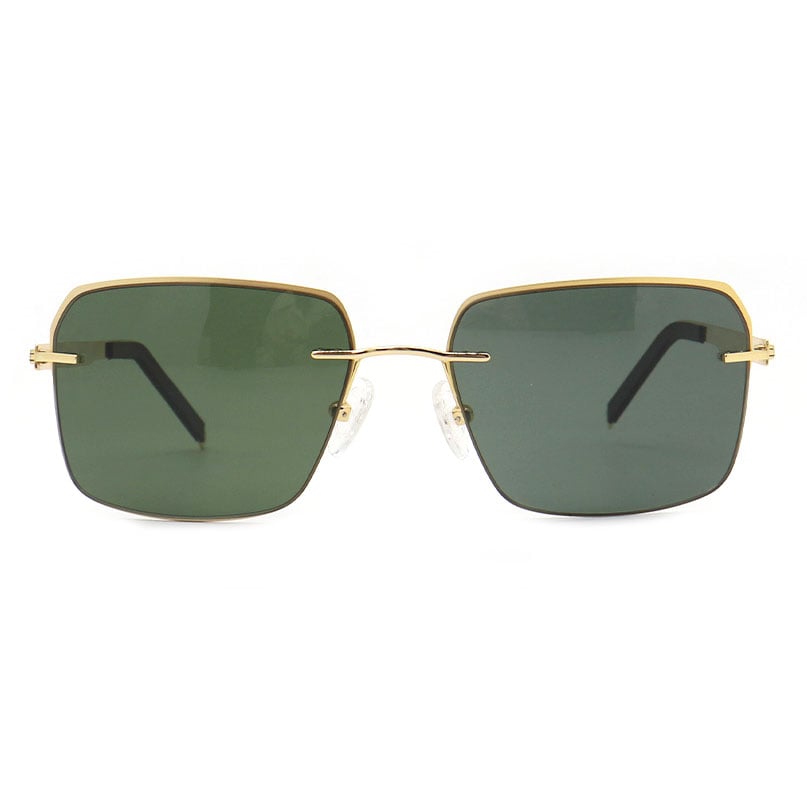
Modern sunglasses production lines employ several established lens materials, each optimized for specific applications and consumer segments. The choice between CR39 plastic, polycarbonate, Trivex, and mineral glass depends on factors such as optical clarity, impact resistance, weight considerations, and manufacturing efficiency. Production facilities must evaluate these materials against their equipment capabilities, quality standards, and market demands to achieve competitive advantage.
CR39 Plastic and Traditional Optical Materials
Composition and Manufacturing Properties
CR39, also known as allyl diglycol carbonate, has been a foundational material in optical lens production for decades. This thermosetting plastic offers excellent optical clarity and natural UV absorption without additional coatings, making it an economical choice for basic shades and everyday eyewear. The material processes well in traditional production equipment and supports both single-vision and progressive lens fabrication, allowing manufacturers to serve diverse market segments with minimal retooling.
The manufacturing process for CR39 involves casting the liquid monomer into molds and allowing it to cure through heat treatment. This method creates minimal waste compared to other materials and permits precise optical prescriptions to be integrated during production. For budget-conscious consumers seeking reliable UV protection sunglasses with good optical performance, CR39 remains a competitive option that balances cost, durability, and functionality within established production workflows.
Optical Performance and Practical Limitations
CR39 lenses deliver high optical clarity with minimal distortion, supporting accurate vision correction when needed in shades applications. However, the material is relatively brittle compared to newer polymers and requires protective edge finishing to prevent chipping during manufacturing and use. The density of CR39 is lower than glass but higher than advanced plastics, resulting in moderate lens weight that some consumers find acceptable for daily wear but less ideal for high-performance or extended-wear applications.
Manufacturers must consider that CR39 scratches more easily than polycarbonate or Trivex, necessitating additional hard-coat applications to extend lens life. When UV protection sunglasses incorporate CR39, these protective coatings become essential for competitive market positioning and consumer satisfaction, adding production steps and cost considerations that impact final pricing and profit margins.
Polycarbonate and Advanced Polymer Solutions
Impact Resistance and Safety Performance
Polycarbonate lenses represent a significant advancement in impact-resistant eyewear design, offering superior durability compared to traditional materials. This thermoplastic material is inherently tough and resistant to shattering, making it the standard choice for safety eyewear and high-performance shades used in sports, military, and industrial applications. Production lines utilizing polycarbonate benefit from faster cycle times and the ability to mold complex shapes that enhance both functionality and aesthetic appeal in premium product categories.
The material naturally provides excellent UV protection sunglasses performance, blocking 100 percent of ultraviolet radiation without requiring additional UV-blocking coatings. This inherent property simplifies manufacturing complexity and reduces layer-dependent quality variations that can occur with multi-coated systems, enabling manufacturers to maintain consistent quality across large production volumes while minimizing defect rates and rework requirements.
Weight and Comfort Advantages
Polycarbonate is approximately 30 percent lighter than traditional glass lenses, making it the preferred material for all-day comfort applications and extended-wear scenarios. Consumer preferences have increasingly shifted toward lighter eyewear, particularly in sunwear categories where facial fatigue and comfort influence purchase decisions and brand loyalty. Manufacturers producing polycarbonate shades can market these comfort benefits as value-added features that justify premium pricing while maintaining production efficiency through established injection-molding processes.
The lightweight nature of polycarbonate also enables designers to create bolder frame styles and larger lens shapes that would be impractical or uncomfortable in heavier materials. This design freedom expands market appeal across fashion-conscious consumers and those seeking functional eyewear that performs without compromising style, creating opportunities for higher-margin product development within modern production environments.
Specialized Materials and Emerging Technologies
Trivex and Niche Performance Applications
Trivex represents a mid-range solution offering optical clarity approaching CR39 while providing impact resistance and lightweight properties between CR39 and polycarbonate. This material appeals to manufacturers seeking premium positioning without the constraints of traditional materials, particularly in markets where optical purity is a key purchasing driver alongside durability and comfort. Sunglasses incorporating Trivex can achieve superior visual acuity compared to polycarbonate while maintaining practical impact resistance for active-use scenarios.
Manufacturers incorporating Trivex into production lines gain flexibility to serve discerning consumers willing to invest in higher-quality shades that deliver measurable optical advantages. The material processes efficiently in modern equipment and accommodates advanced coating technologies, enabling comprehensive UV protection sunglasses solutions that align with evolving consumer expectations for premium eyewear performance and durability characteristics.
Glass Lenses and Heritage Production Methods
Mineral glass lenses continue to hold market presence in premium and heritage sunwear segments, valued for exceptional optical clarity and scratch resistance that surpasses all plastic alternatives. While heavier and more fragile than polymer options, glass delivers uncompromising visual performance that appeals to luxury consumers and professional applications where optical precision justifies weight and breakage concerns. Modern production facilities maintain specialized equipment for glass lens finishing while simultaneously operating polymer production lines, enabling comprehensive market coverage across multiple consumer segments.
Selection of glass as a lens material requires careful production planning, as manufacturing processes, finishing techniques, and quality control standards differ significantly from polymer approaches. Manufacturers must invest in protective coatings and edge-treatment technologies to ensure UV protection sunglasses and anti-reflective properties meet contemporary market expectations, balancing heritage brand positioning with practical safety and performance requirements that modern consumers demand.
FAQ
What lens material offers the best overall value for mainstream sunglasses production?
Polycarbonate provides exceptional value across cost, performance, and manufacturability factors for mainstream shades production. It combines inherent UV protection, impact resistance, lightweight comfort, and efficient molding processes that support high-volume manufacturing while maintaining quality consistency. For most commercial applications targeting broad consumer markets, polycarbonate balances investment requirements with production capability and final product competitiveness better than specialized alternatives.
How do UV protection sunglasses differ between material types?
CR39 and polycarbonate provide natural UV absorption without additional coatings, while Trivex requires UV-blocking treatments, and glass depends on specialized coatings for full protection. Manufacturers selecting materials must confirm that final UV protection sunglasses meet regulatory standards and consumer expectations regardless of base material choice. The most effective approach involves understanding how each material's UV properties interact with intended coating applications and quality verification procedures.
Which lens material best supports premium sunwear product development?
Glass and Trivex materials support premium positioning through superior optical clarity and advanced customization options that justify higher price points. Manufacturers targeting luxury segments benefit from these materials' heritage perception and measurable performance advantages that differentiate from mass-market alternatives. Production capabilities, target consumer demographics, and brand positioning strategy should guide material selection within premium sunglasses development initiatives.



