
 EN
Frame Wrap Angle and Peripheral Coverage in Sunglasses: A Technical Guide for Eyewear Buyers
Discover how frame curvature + peripheral coverage shield eyes from reflected UV—beyond UV400 alone. Choose smarter sunwear.
The design of sunglasses extends far beyond aesthetics. Frame wrap angle and peripheral coverage represent critical technical specifications that directly influence how effectively sunglasses protect your eyes and surrounding tissue from harmful ultraviolet radiation. When selecting eyewear, understanding these measurements helps buyers make informed decisions about UV protection sunglasses that genuinely deliver protection rather than simply reducing glare.
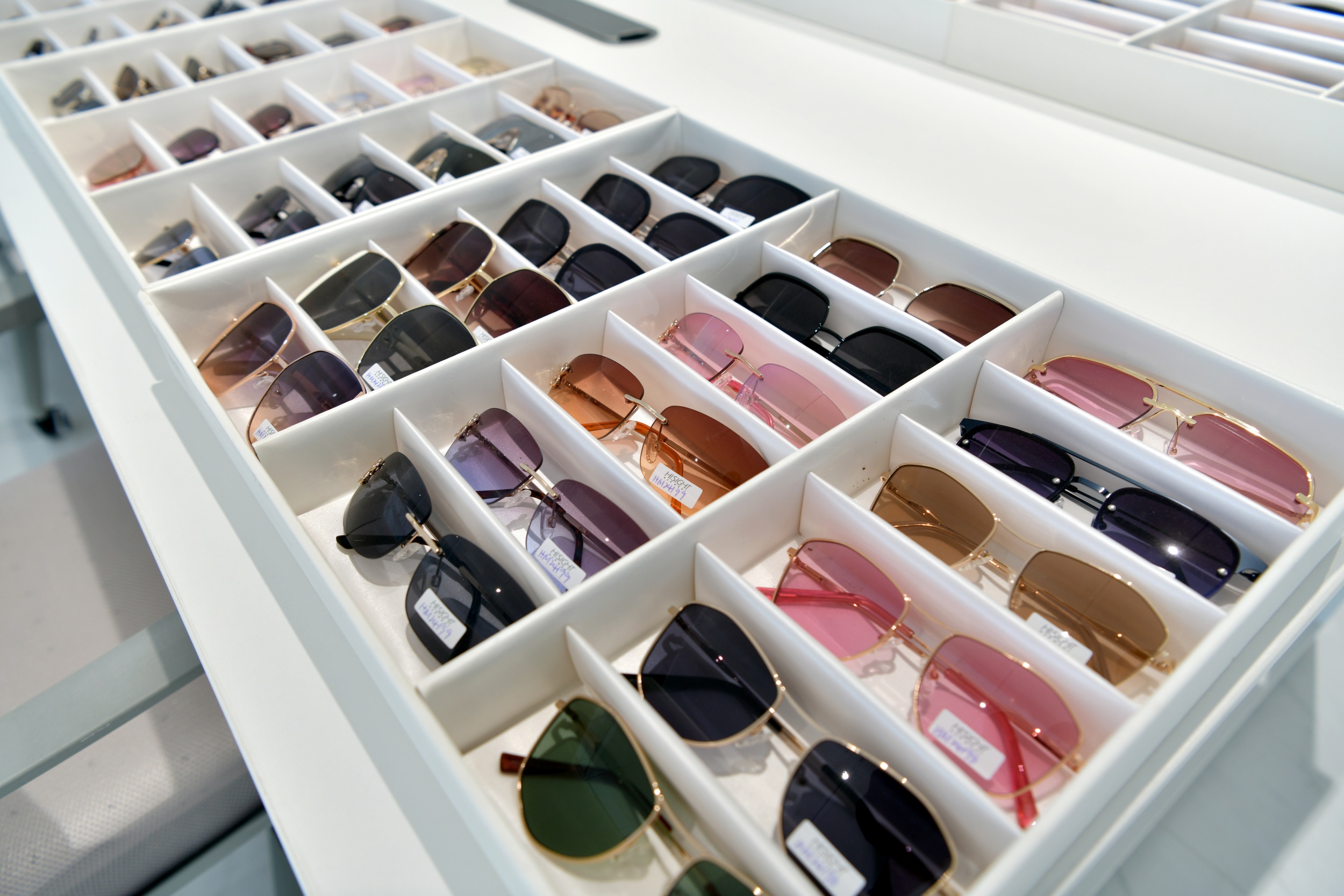
Peripheral coverage in shades determines how much of the eye and surrounding orbital area remains exposed to direct and reflected ultraviolet light. A higher wrap angle creates a larger protected zone, preventing UV rays from entering around the lens edges. This technical specification becomes increasingly important for individuals who spend extended periods outdoors, work in reflective environments, or have heightened photosensitivity concerns.
Understanding Frame Wrap Angle in Sunglasses Design
What Defines Wrap Angle
Frame wrap angle refers to the curvature of sunglasses lenses measured from the horizontal plane. This angle determines how far the lens extends toward the temples and cheekbones, creating a protective envelope around the eyes. Standard sunglasses typically feature wrap angles between 0 and 20 degrees, while sport-oriented shades often reach 30 to 45 degrees. A steeper wrap angle means the lens curves more aggressively around the face, offering superior peripheral UV protection sunglasses wearers demand for active use.
Impact on UV Protection Coverage
The relationship between wrap angle and UV defense is direct and measurable. As the frame wrap angle increases, the peripheral area protected from ultraviolet exposure expands significantly. Sunglasses with minimal wrap angles leave the inner corner of the eye and substantial temple-side areas vulnerable to unfiltered UV radiation, particularly from reflection off water, snow, or pavement. Higher wrap angles in modern eyewear designs close these gaps, ensuring that UV protection extends across the entire visual field rather than just the central lens area.
Peripheral Coverage Standards and Performance Metrics
Industry Coverage Specifications
Peripheral coverage in sunglasses is often expressed as a percentage of the eye area protected or as the absolute degrees of angular coverage around the eye. Premium UV protection sunglasses typically achieve 95 to 100 percent peripheral coverage, meaning virtually no direct ultraviolet light reaches the sensitive eye tissues from the front or sides. Consumer-grade shades might cover only 60 to 75 percent of the peripheral zone, leaving meaningful exposure risk. Understanding these specifications helps eyewear buyers differentiate between genuine protective sunwear and fashion-focused products with minimal UV defense capabilities.
Testing and Certification Standards
Laboratory testing measures peripheral coverage through standardized protocols that simulate real-world exposure conditions. UV400 certification indicates that sunglasses block wavelengths up to 400 nanometers, covering the full ultraviolet spectrum. However, certification alone does not guarantee optimal peripheral coverage; the frame geometry and lens dimensions must work together to achieve true edge-to-edge protection. Independent eyewear testing organizations evaluate wrap angle geometry and coverage percentages to help consumers identify shades that meet their specific outdoor activity requirements and UV exposure risk profiles.
Practical Selection Considerations for Eyewear Buyers
Matching Coverage to Activity Level
Different activities demand different levels of peripheral protection in sunglasses. Water sports and high-altitude activities involve significant UV reflection, making high wrap-angle eyewear essential for eye safety. Casual urban use might accept lower wrap angles, though dermatologists consistently recommend maximum coverage even for brief outdoor exposure. Choosing sunwear with appropriate coverage specifications ensures that protection matches actual risk rather than over-specifying or under-protecting based on incomplete information.
Comfort and Fit Implications
Higher wrap angles in sunglasses offer superior UV protection but can feel less comfortable for some wearers, particularly individuals with smaller face dimensions or those unaccustomed to close-fitting eyewear. Modern frame materials and designs now accommodate high wrap angles while maintaining comfortable all-day wear. When evaluating shades, test the fit carefully to confirm that the increased peripheral coverage does not create pressure points or obscure vision. Quality UV protection sunglasses achieve both safety and comfort through thoughtful engineering rather than forcing compromise between the two factors.
FAQ
What is the ideal wrap angle for comprehensive eye protection in sunglasses?
The ideal wrap angle depends on activity level and exposure environment. For general outdoor use, 15 to 25 degrees provides excellent peripheral coverage in sunglasses. For water sports, mountain activities, or prolonged sun exposure, 30 to 45 degrees offers maximum UV protection. Professional eyewear specialists can recommend specific wrap angles based on individual face geometry and lifestyle patterns. UV protection sunglasses with higher wrap angles generally deliver superior safety across broader application scenarios.
How does peripheral coverage differ from UV400 certification alone?
UV400 certification guarantees that sunglasses block ultraviolet light up to 400 nanometers, covering the complete UV spectrum. However, this rating does not address peripheral coverage geometry. High-wrap shades with UV400 protection offer both spectral filtering and mechanical edge protection, preventing UV rays from entering around the lens perimeter. A UV400-certified product with minimal wrap angle still leaves significant exposure to reflected ultraviolet radiation. Optimal sunwear combines both certifications with thoughtful frame geometry.
Can I increase peripheral coverage by purchasing larger sunglasses frames?
Frame size alone does not guarantee improved peripheral coverage. The wrap angle geometry, lens height, and positioning relative to facial anatomy determine actual protective coverage. Oversized frames might extend further across the face but could sit too high or low to protect effectively. Conversely, smaller frames with aggressive wrap angles can deliver superior peripheral coverage compared to larger frames with minimal curvature. Professional fitting and specification review ensure that sunwear geometry optimizes protection regardless of absolute frame dimensions.



