
 EN
Seasonal Sunglasses Color and Tint Planning: Planning Considerations for Buyers and Brands
Discover how tint performance, color psychology, and 4–6-month lead times drive sunglasses success. Plan smarter now.
Selecting the right sunglasses for each season requires strategic planning that balances aesthetic appeal, functional performance, and customer expectations. Seasonal sunglasses color and tint planning is a critical decision point for both eyewear brands and retail buyers who must align inventory with weather patterns, fashion trends, and UV protection requirements. Understanding how to match lens tint to seasonal conditions ensures products meet market demand while delivering genuine value to end consumers. This comprehensive guide explores the planning considerations that drive successful sunglasses strategy throughout the year.
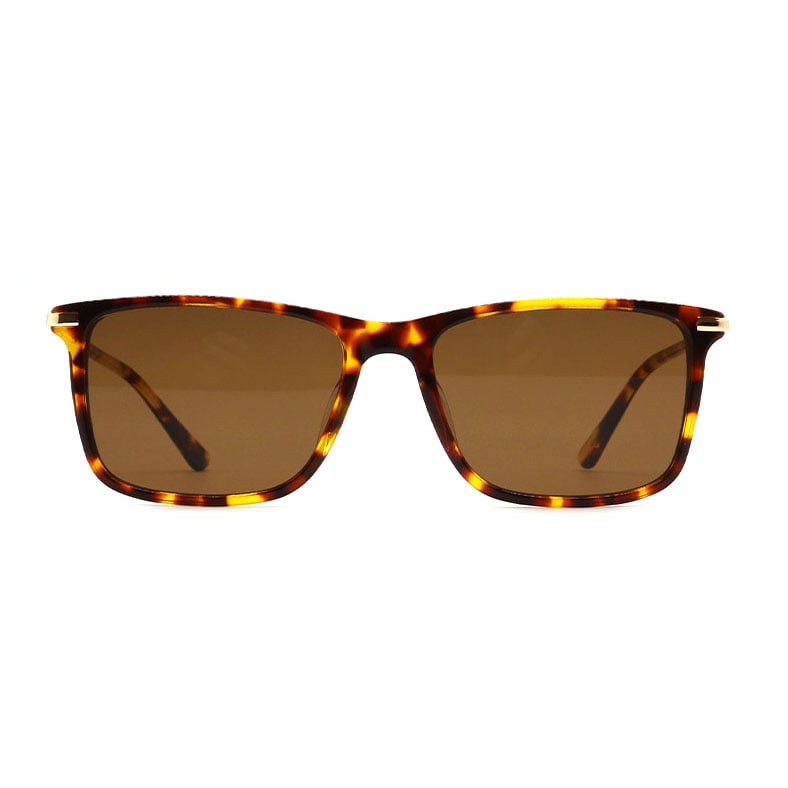
The foundation of effective seasonal sunglasses planning lies in understanding how different lens tints perform under varying environmental conditions. Spring and summer demand different optical characteristics than fall and winter, and savvy buyers recognize that inventory must shift accordingly. By mapping tint performance to seasonal UV intensity, light conditions, and consumer behavior patterns, brands and retailers can reduce dead stock, improve sell-through rates, and strengthen customer satisfaction with every seasonal release.
Understanding Seasonal Tint Performance and Customer Expectations
Each season presents distinct lighting and environmental conditions that influence which shades work best for end users. Spring brings increased daylight hours and variable cloud cover, creating demand for versatile tints that handle both bright sunshine and overcast periods. Summer features intense UV radiation and high glare, where darker tints and specialized lens coatings become essential selling points. The sunglasses color palette must shift to reflect these practical needs rather than following trend alone.
Spring and Early Summer Tint Strategy
Spring sunglasses should emphasize light to medium tints that balance comfort with sun protection. Gray and brown tints become popular choices because they maintain natural color perception while reducing glare. Buyers planning spring inventory should stock UV protection sunglasses with moderate density, as many consumers transition from indoor winter routines to outdoor activities. Light amber and rose-tinted shades appeal to fashion-conscious buyers during this season, while maintaining functional sunwear properties that justify premium pricing.
Peak Summer Lens Tint Considerations
Summer demands the most aggressive tint densities and advanced optical technologies. Dark gray, dark brown, and polarized lenses dominate summer sunglasses selections because intense midday UV exposure requires maximum protection. Brands investing in summer inventory should prioritize UV protection sunglasses with high-quality polarization and anti-reflection coatings. Consumer expectations peak during summer months, when outdoor recreation, travel, and beach activities drive purchasing volume. Retailers must ensure adequate stock of premium shades to capture this seasonal demand surge.
Color Psychology and Brand Positioning in Seasonal Collections
The sunglasses color strategy extends beyond technical lens performance to encompass emotional and psychological factors that influence purchase decisions. Spring palettes often feature lighter, warmer tones that signal renewal and energy, while summer collections showcase bold, commanding lens colors that communicate confidence and outdoor sophistication. Fall and winter introduce richer, warmer undertones and sophisticated neutral shades that align with seasonal fashion trends and reduced daylight intensity.
Spring and Summer Color Positioning
Bright, energetic sunwear colors resonate with spring buyers who associate the season with refresh and outdoor activity. Light pink, coral-tinted, and golden-amber shades create aspirational brand positioning during this period. Summer collections benefit from bold positioning that emphasizes performance-driven attributes like UV protection sunglasses technology and sports-focused design language. Brands that communicate protection, durability, and high-performance features during summer months capture price-insensitive customers willing to invest in quality shades.
Fall and Winter Brand Tone Shifts
Fall transitions toward earthy, sophisticated palettes that bridge summer vitality and winter minimalism. Warm browns, deep ambers, and rose-gold tints maintain brand visibility while aligning with seasonal fashion trends. Winter sunglasses positioning should emphasize luxury, timelessness, and versatility across light and dark conditions. While winter UV exposure decreases, savvy buyers recognize that snow glare and reflective surfaces still demand quality UV protection sunglasses, allowing brands to maintain premium positioning year-round.
Inventory Planning, Lead Times, and Demand Forecasting
Successful seasonal sunglasses planning requires accurate demand forecasting and careful lead-time management to ensure products arrive when market momentum peaks. Brands and buyers must plan 4 to 6 months in advance, accounting for manufacturing timelines, shipping delays, and market preparation periods. Underestimating seasonal demand results in stockouts during peak sales windows, while overestimating creates excess inventory that must be discounted, eroding margins and brand positioning. Historical sales data, regional climate patterns, and emerging fashion indicators should inform every seasonal shades collection decision.
Spring Planning Cycle and Execution
Spring sunglasses orders typically lock in November and December for February and March delivery. Buyers must balance emerging trend signals with proven bestseller styles, ensuring adequate stock of versatile shades that appeal to broad customer bases. Brands launching spring collections should emphasize new tint technologies and color innovations that generate social media buzz and retail excitement. Early season positioning as an eyewear authority sets tone for summer demand acceleration.
Summer Demand Surge and Risk Management
Summer represents peak demand for shades, but lead times require orders placed 5 to 6 months prior, creating forecasting risk. Buyers must increase order quantities strategically while diversifying tint and style offerings to minimize obsolescence risk. Premium UV protection sunglasses and popular styles warrant higher inventory ratios, while experimental colors and niche designs require conservative quantities. Brands that successfully navigate summer demand cycles build customer loyalty and establish market leadership heading into fall.
Technical Specifications and Performance-Driven Tint Selection
Beyond aesthetics, seasonal sunglasses selection must prioritize technical performance specifications that deliver measurable value to customers. UV protection sunglasses should block 99 to 100 percent of UVA and UVB rays regardless of season, but lens density and coating technologies vary to match environmental conditions. Polarization becomes increasingly important during summer and near-reflective surfaces like water and snow. Buyers evaluating shades for seasonal inventory should request independent testing data confirming that products meet or exceed optical standards.
Spring and Summer Optical Specifications
Spring sunwear should offer reliable UV protection with light to medium lens density suitable for variable conditions. Summer shades demand maximum optical performance including polarization, anti-reflective coatings, and high-density tints that reduce eye strain during extended outdoor exposure. Brands communicating these technical advantages create justification for premium pricing while building customer confidence in product quality and safety.
Fall and Winter Performance Considerations
Fall and winter sunglasses maintain full UV protection sunglasses standards while accommodating reduced daylight and variable weather patterns. Photochromic lenses that adjust to changing light conditions gain relevance during these seasons, offering consumers versatile solutions that reduce the need for multiple pairs. Brands that emphasize all-season performance and technical innovation differentiate themselves from competitors and build strong customer retention through winter months.
FAQ
How do seasonal lighting conditions influence sunglasses tint selection for buyers?
Seasonal lighting directly impacts optimal lens density and color performance. Spring and fall feature moderate to variable light conditions favoring gray and brown tints. Summer intense UV radiation demands dark, high-density shades with polarization. Winter reduced daylight intensity allows lighter tints while maintaining full UV protection sunglasses standards. Buyers matching inventory to these patterns optimize sell-through rates and customer satisfaction across all seasons.
What role does color psychology play in seasonal sunglasses collection planning?
Color psychology shapes customer perception and purchase intent throughout the year. Spring and summer collections benefit from bright, energetic colors that signal renewal and outdoor confidence. Fall and winter resonate with earthy, sophisticated palettes that align with seasonal fashion trends and luxury positioning. Brands strategically varying color palettes across seasons create fresh collection narratives that encourage repeat purchases and maintain brand relevance throughout the year.
How far in advance should buyers plan seasonal sunglasses orders to manage lead times effectively?
Effective seasonal shades planning requires 4 to 6 months lead time from order placement to product availability. Spring collections need orders by November or December for February delivery. Summer peak season requires planning 5 to 6 months ahead due to high demand and manufacturing capacity constraints. Fall and winter allow slightly more flexibility, but buyers should still order 4 to 5 months in advance to capture early-season demand and reduce inventory risk.



