
 EN
Improving Lens Edge Finishing in Sunglasses Assembly: Practical Quality Control Steps
Discover 5 practical, actionable QC steps to improve edge thickness, polish, and bevel accuracy—cut rework by up to 40%. Download the checklist now.
Lens edge finishing represents one of the most critical quality control phases in professional sunglasses assembly. The precision and attention to detail applied during this stage directly impact the final product's durability, optical performance, and customer satisfaction. Whether you're managing a sunglasses manufacturing facility or overseeing quality assurance protocols, understanding the practical steps to improve lens edge finishing will elevate your production standards significantly.
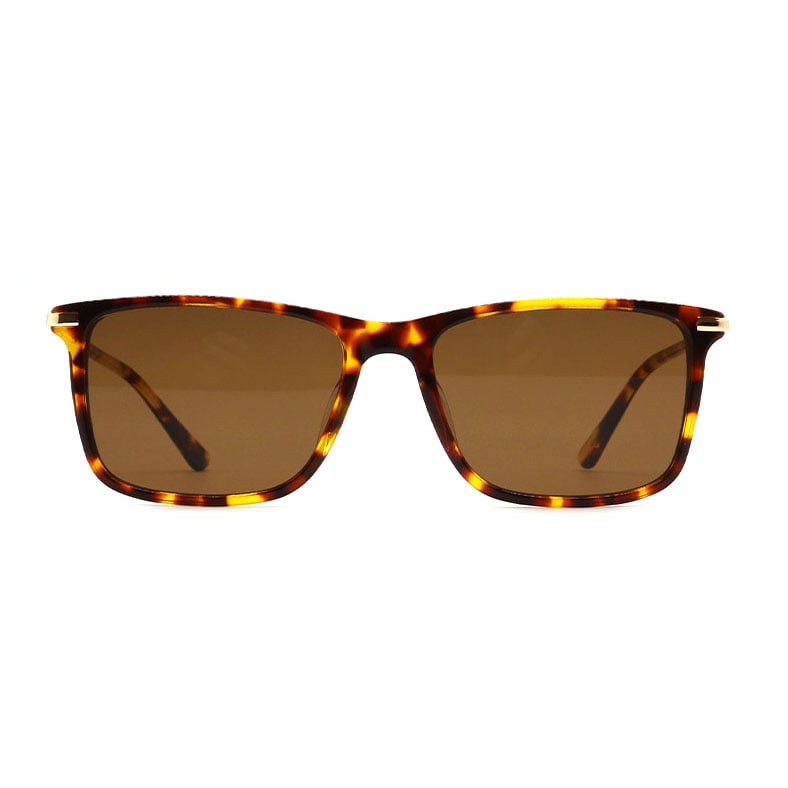
The edge finishing process involves grinding, polishing, and beveling lens edges to create smooth, safe surfaces that fit securely into frames and withstand regular use. Proper edge finishing also ensures that UV protection sunglasses maintain their protective coating integrity and that shades sit comfortably on the wearer's face. This article provides actionable quality control procedures that production teams can implement immediately to reduce defects, minimize rework, and deliver consistent excellence in every pair of sunglasses.
Establishing Standardized Edge Specifications
Defining Edge Geometry and Tolerance Ranges
Before any lens edge finishing begins, your team must establish clear, measurable specifications for edge geometry. This includes the desired edge thickness, bevel angle, and surface texture for different lens types used in shades production. Industry standards typically call for edge thickness between 0.8 and 1.2 millimeters for most eyewear, with specific adjustments required for high-index or polycarbonate lenses commonly found in UV protection sunglasses.
Documentation must specify tolerance ranges that account for frame design variations and lens material properties. Create reference samples that represent acceptable and unacceptable edge finishes, allowing quality inspectors to perform rapid visual assessments. These physical standards ensure consistency across production shifts and reduce subjective judgment. Tolerance documentation should also address edge thickness variations, chip tolerance, and surface finish requirements specific to your sunwear product line.
Selecting Appropriate Equipment and Abrasives
The equipment used for lens edge finishing directly influences quality outcomes in sunglasses manufacturing. Automated edge grinding machines offer superior consistency compared to manual finishing, particularly for high-volume shades production. Select equipment with adjustable speed controls, consistent pressure application, and precise positioning mechanisms to ensure uniform results across all lens types.
Abrasive selection is equally critical for effective edge finishing. Coarser grits (typically 120–220) remove excess material quickly during initial grinding, while finer grits (400–1000) deliver the smooth, polished finish expected in premium UV protection sunglasses. Implement a multi-stage grinding approach that progressively refines the edge surface, preventing stress concentration and micro-fractures that can compromise lens integrity. Regularly inspect abrasive wheels for wear and replace them before performance degradation affects quality.
Implementing Multi-Stage Finishing Processes
Initial Rough Grinding and Material Removal
The first stage of lens edge finishing focuses on efficient material removal and basic shape formation. Rough grinding establishes the correct edge thickness and bevel angle for your specific sunglasses frame design. This stage requires careful machine setup to prevent excessive material loss, which can compromise lens dimensions and optical centering. Operators should monitor equipment performance continuously and verify lens thickness using calibrated gauges at regular intervals throughout production runs.
Quality control at this stage involves checking edge straightness, angle accuracy, and overall symmetry across both lens edges. Implement 100% inspection protocols or statistical sampling procedures that detect out-of-specification edges before they advance to polishing stages. This early detection prevents downstream defects and reduces the labor cost associated with rework. For high-value shades and UV protection sunglasses, many manufacturers conduct thickness measurements and bevel angle verification using precision instruments at multiple points along each edge.
Intermediate and Fine Polishing
Intermediate polishing bridges the gap between rough grinding and final finishing, progressively smoothing the lens edge surface. This stage typically uses 400–600 grit abrasives applied with controlled pressure and consistent machine speeds. The goal is to eliminate scratches and irregularities from rough grinding while maintaining precise edge geometry. For sunwear applications, smooth edges are essential because rough surfaces can accumulate debris, irritate skin, and detract from the professional appearance consumers expect.
Fine polishing represents the culmination of lens edge finishing work. Using 800–1200 grit abrasives or specialized polishing compounds, this stage creates the glossy, smooth edge surface characteristic of quality shades. Fine polishing also removes oxidation and minor surface imperfections that could affect UV protection sunglasses performance or frame adhesion. Each lens should be inspected under proper lighting to verify edge clarity, uniformity of finish, and absence of chips or cracks before moving to frame assembly.
Quality Control Inspection and Measurement Protocols
Visual and Tactile Inspection Methods
Visual inspection under standardized lighting conditions provides the first line of quality assessment for finished lens edges. Train inspectors to examine edges for clarity, uniformity of color, presence of chips, scratches, or stress marks, and overall surface smoothness. Establish inspection workstations with consistent LED lighting (typically 500–1000 lux) that reveal surface defects without creating false positives from shadow variations. For UV protection sunglasses and other premium shades, magnifying equipment or optical viewers enhance defect detection capability.
Tactile inspection complements visual assessment by detecting surface irregularities that lighting alone might miss. Trained inspectors run their fingertips along finished edges using light, consistent pressure to feel for unexpected roughness, burrs, or irregularities. This simple but effective method identifies micro-defects that affect wearer comfort and durability. Document the results of both visual and tactile inspections using standardized forms or digital systems that track defect types, frequency, and trends over time.
Precision Measurement and Data Recording
Precision measurement instruments provide objective data to support quality decisions and identify process drift requiring corrective action. Digital calipers measure edge thickness at multiple points along each lens edge, with results recorded in quality management systems. Angle gauges or digital protractors verify bevel angles against specification, while surface finish gauges quantify the smoothness and polish quality of finished edges. Implement measurement protocols at regular production intervals (such as every 50–100 pairs) to maintain statistical control and detect emerging quality issues early.
Data recording systems should capture measurement results, inspection outcomes, operator identification, and machine settings for each production batch. This traceability enables root cause analysis when defects occur and supports continuous improvement initiatives. Analyze trends in edge thickness variation, chip frequency, or surface finish inconsistency to identify whether issues stem from equipment wear, operator technique, material properties, or abrasive selection. Regular review of measurement data empowers your team to make informed decisions about equipment maintenance, training investments, and process optimization in sunglasses and UV protection sunglasses manufacturing.
FAQ
What edge thickness is appropriate for different types of sunglasses?
Standard eyewear, including most shades and UV protection sunglasses, typically requires edge thickness between 0.8 and 1.2 millimeters. However, high-index lenses may use thinner edges, while thick polycarbonate lenses used in protective sunwear might require slightly thicker edges. Always consult your frame specifications and lens material data to establish appropriate thickness ranges for your specific products. Work with suppliers to confirm edge finish requirements during the initial design phase.
How often should edge grinding machines be serviced and calibrated?
Edge grinding equipment used in sunglasses production should be serviced according to manufacturer recommendations, typically monthly for high-volume operations. Calibration checks should occur weekly or before processing new lens materials or frame styles. Abrasive wheels require inspection for wear and replacement when performance degradation is detected. Establish a preventive maintenance schedule that tracks equipment service history, reduces unexpected downtime, and ensures consistent quality in shades and sunwear manufacturing.
Can manual edge finishing match the quality of automated equipment?
While skilled craftspeople can produce acceptable edge finishes manually, automated equipment typically delivers superior consistency and repeatability, especially for high-volume UV protection sunglasses production. Manual finishing introduces variability based on operator experience, fatigue, and technique consistency. For quality-sensitive or high-volume operations, automated equipment combined with rigorous quality control protocols provides the best balance of cost efficiency and product excellence. Some manufacturers use hybrid approaches, employing automation for primary grinding and polishing with manual finishing for edge defect correction.



