
 EN
Prescription Lens Fitting Errors in Optical Frames: Prevention Strategies for Eyewear Brands
Discover actionable, supply-chain-wide prevention strategies for optical frame fitting errors. Optimize quality now.
Prescription lens fitting errors represent one of the most common quality issues affecting eyewear brands today. When optical frames fail to accommodate lenses correctly, the result extends far beyond customer dissatisfaction. These errors lead to visual discomfort, reduced productivity, costly returns, and lasting damage to brand credibility. Understanding the root causes and implementing systematic prevention strategies is essential for manufacturers, distributors, and retailers who want to maintain competitive advantage in the eyewear market.
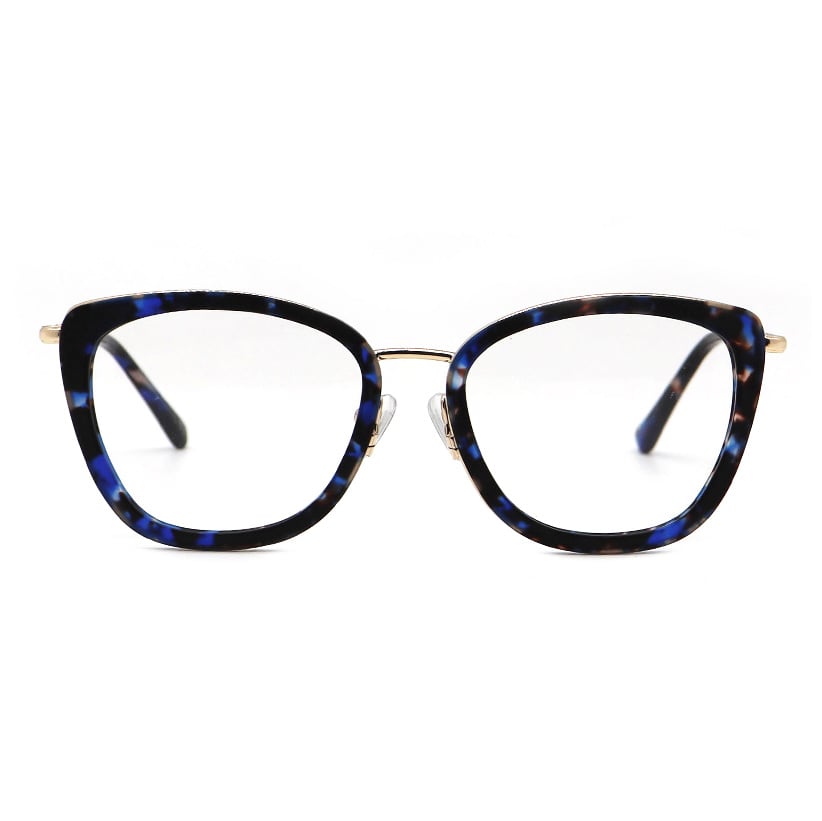
Prescription frames must meet strict dimensional and material specifications to function effectively with lenses of varying powers and designs. Whether manufacturing standard eyeglass frames or specialty prescription frames, precision in lens bed depth, bridge width, and temple angle directly determines how well lenses align with the wearer's vision geometry. This article explores the critical factors that contribute to fitting errors, examines the financial and reputational impact on eyewear brands, and outlines actionable prevention strategies that optimize optical eyewear quality throughout the supply chain.
Understanding Prescription Frame Specifications and Design Requirements
Core Dimensional Standards in Optical Frames
Every pair of optical frames must conform to established dimensional standards that define how lenses sit within the frame structure. The lens bed depth, also called the eyesize, determines how deep a lens can be mounted and influences the final lens thickness. Bridge width controls how the frame sits on the nose and affects light refraction angles. Temple length ensures proper weight distribution and frame stability during wear. When prescription frames deviate even slightly from these specifications, lens positioning becomes compromised, leading to optical misalignment that users perceive as distortion or discomfort.
Material composition also plays a critical role in maintaining dimensional accuracy. Acetate, titanium, and mixed-material optical eyewear all expand and contract differently based on temperature and humidity variations. Brands that source frames from multiple suppliers often discover that identical designs manufactured in different facilities produce subtle dimensional variances that accumulate during production. These micro-deviations may pass initial quality checks but become apparent only after lenses are fitted and the frame reaches the customer's hands.
Material Properties and Their Impact on Lens Accommodation
The material used in prescription frames directly influences how well they maintain their intended shape and lens-holding capacity. Flexible materials like certain plastics may warp under the pressure of lens installation or during normal wear, shifting lens alignment. Rigid materials like titanium resist warping but require more precise manufacturing tolerances to ensure consistency across batches. Understanding these material properties helps eyewear brands select the right prescription frames for their target market and production capabilities.
Identifying Common Causes of Lens Fitting Errors
Manufacturing Tolerance Issues in Frame Production
Manufacturing tolerance stack-up represents one of the most significant sources of lens fitting errors in optical frames. Each step in frame production introduces tiny dimensional variations that are individually acceptable but collectively problematic. If the lens bed is cut slightly too shallow during initial molding, and the bridge is then assembled with a variance in width, and the temples are attached at a slightly incorrect angle, these compounding errors can render the frame unsuitable for precision lens fitting. Many eyewear brands discover these issues only after expensive lens installation equipment has been configured for frames that no longer meet specifications.
Quality control at the manufacturing stage must include statistical process control that monitors dimensional drift over time. Random sampling is insufficient because it cannot detect gradual shifts in production parameters. When prescription frames are produced in high volumes, even small percentage deviations multiply into thousands of defective units. Leading optical eyewear manufacturers implement real-time measurement systems that capture detailed data on every frame's critical dimensions, allowing operators to adjust processes before out-of-spec units enter inventory.
Supplier Variability and Inconsistent Quality Standards
Many eyewear brands work with multiple suppliers to source components or finished optical frames, creating inherent inconsistency challenges. Different suppliers use different equipment, tooling, and quality management systems. Even when specifications are clearly documented, interpretation and execution vary significantly across organizations. A frame supplier in one region might achieve dimensional accuracy using one manufacturing method, while a different supplier uses an entirely different approach and achieves comparable accuracy by chance rather than by design.
Improper Frame Adjustment During Lens Installation
Even when optical frames arrive from manufacturing within specification, improper adjustment during lens installation can introduce fitting errors. Technicians must understand how much heat and pressure various materials can tolerate during edging and fitting. Overheating acetate frames can cause permanent warping that changes lens bed geometry. Applying excessive force when fitting lenses into titanium frames can strip internal threads or warp the frame structure. Many lens fitting errors trace back to technician training gaps rather than fundamental frame design problems.
Prevention Strategies and Quality Control Implementation
Design-Phase Quality Controls and Specification Documentation
Prevention of lens fitting errors begins during the design phase, long before frames enter manufacturing. Eyewear brands must establish detailed specification documents that define every critical dimension for prescription frames, including tolerances that account for material behavior during production and use. These specifications must clearly indicate which dimensions are critical for optical performance and which have wider acceptable ranges. Design reviews should include representatives from manufacturing, quality control, and lens fitting to ensure that specified tolerances are actually achievable and measurable. When brands skip this rigorous design-phase work, they inevitably encounter fitting problems later that are far more expensive to fix.
Digital tools like computer-aided design and finite element analysis allow brands to simulate how prescription frames will perform during lens installation and daily wear. These simulations can identify potential warping, stress concentration points, and dimensional instability before physical tooling is created. Brands that invest in this virtual validation catch design flaws early, reducing the need for expensive physical prototypes and manufacturing corrections.
Robust Incoming Inspection and Supplier Qualification
Comprehensive incoming inspection is essential for catching lens fitting problems before they reach customers. Eyewear brands should implement multi-point inspection protocols that measure critical dimensions on every frame or on a scientifically determined sampling frequency. Measurement equipment must be calibrated regularly and maintained to ensure accuracy. Optical frames should be inspected for material defects, warping, and finish quality that might indicate manufacturing problems. When suppliers are qualified, brands should conduct capability studies that confirm suppliers can consistently meet specifications across extended production runs. Supplier partnerships that include regular audits and performance feedback help identify systemic issues before they escalate into widespread quality failures.
Technician Training and Process Documentation
Lens fitting technicians represent the final control point before frames reach customers, making their training and competency critical to preventing errors. Comprehensive training programs should cover material-specific handling requirements, equipment operation, pressure and temperature limits, and proper adjustment techniques for prescription frames. Process documentation should include step-by-step procedures for each major frame type and material, with visual aids and troubleshooting guides. Regular competency assessments ensure technicians maintain required skills and stay updated on new frame designs or materials introduced to the product line. Eyewear brands that treat technician training as an investment rather than an expense consistently achieve lower defect rates and higher customer satisfaction.
FAQ
What specific dimensions should optical frames manufacturers prioritize when designing prescription frames?
The most critical dimensions for prescription frames include lens bed depth, bridge width, temple length, and lens bore diameter. These dimensions directly determine how precisely lenses can be fitted and how stably the frame sits on the wearer's face. Manufacturers should establish tight tolerances for these dimensions based on lens size ranges and material capabilities. Consultation with lens manufacturers and optical fitting specialists helps ensure that frame specifications actually support real-world lens fitting applications rather than theoretical ideals.
How can eyewear brands identify whether fitting errors originate from frame manufacturing or from lens installation techniques?
Systematic root cause analysis requires examining both incoming frame quality and fitting procedures in parallel. Brands should conduct detailed measurement audits on frames before and after lens installation to identify whether dimensional changes occur during the fitting process. If frames measure correctly before fitting but show dimensional drift afterward, the problem lies in fitting procedures or technician technique. If frames arrive out-of-specification, the manufacturing source is responsible. Optical frames that show consistent dimensional problems across multiple suppliers suggest a design specification issue rather than isolated supplier problems.
What role does material selection play in preventing lens fitting errors in optical eyewear?
Material selection fundamentally influences how well optical eyewear maintains stable dimensions during manufacturing, handling, and use. Rigid materials like titanium and high-quality acetate resist warping but require tighter manufacturing tolerances and more skilled lens fitting. Flexible materials may be easier to manufacture but demand more careful handling during fitting and potentially more frequent customer adjustments. Eyewear brands should select materials based on a realistic assessment of their manufacturing capabilities and technical support resources rather than choosing based solely on cost or aesthetic preferences.



