
 EN
Rim Gaps and Lens Pressure Marks in Thin Optical Frames: Quality Control in Production
Discover root causes, detection methods, and proven prevention strategies for flawless eyewear QC. Download the full guide.
Rim gaps and lens pressure marks represent critical quality indicators in the production of optical frames. These defects directly impact both the aesthetic appeal and functional performance of eyewear, affecting how prescription frames sit on the wearer's face and how lenses remain secure within the frame structure. Understanding these issues is essential for manufacturers committed to delivering superior eyeglass frames that meet rigorous industry standards.
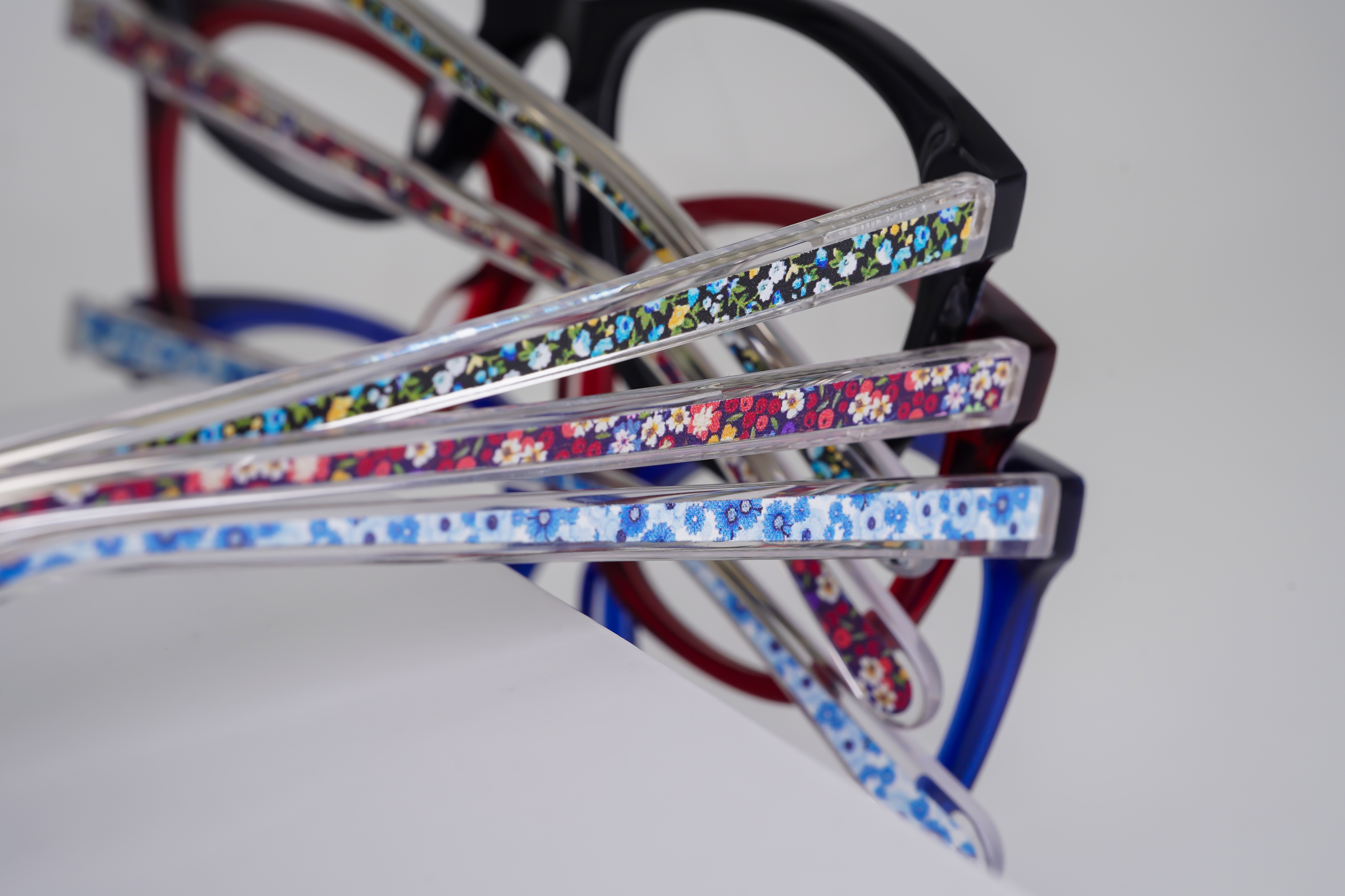
Quality control in frame production requires systematic detection and prevention of rim gaps and lens pressure marks. These defects emerge during manufacturing when tolerances drift, assembly pressure varies, or material inconsistencies occur. Manufacturers of optical eyewear must implement precise measurement protocols and process controls to maintain consistency across production batches. This article explores the root causes, detection methods, and preventive strategies that ensure optical frames meet commercial and consumer expectations.
Understanding Rim Gaps in Optical Frames
What Causes Rim Gaps
Rim gaps occur when the lens sits unevenly within the frame groove, creating visible spaces between the lens edge and the frame material. In prescription frames, this happens when manufacturing tolerances are too loose or when the frame groove dimensions vary along the lens perimeter. Metal and plastic eyeglass frames respond differently to pressure and temperature during production, making gap formation more likely in certain material combinations. The groove depth, width, and circularity must remain consistent to prevent rim gaps from appearing.
Impact on Frame Performance
Rim gaps compromise the structural integrity of optical frames and create optical aberrations that distort vision near the lens edges. When lenses sit loose within gaps, they shift during wear, changing the optical axis alignment. This instability particularly affects progressive lenses and specialized prescription frames where precise positioning is critical. Beyond functionality, visible rim gaps reduce the perceived quality of eyeglass frames and damage brand reputation. Optical eyewear manufacturers must eliminate these gaps to ensure product durability and customer satisfaction.
Lens Pressure Marks: Causes and Quality Implications
How Pressure Marks Form
Lens pressure marks develop when frame assembly forces exceed material tolerance limits, causing the frame rim to compress and create permanent indentations on lens surfaces. These marks typically appear as hazing, stress lines, or localized clouding on optical eyewear lenses. The problem intensifies with brittle lens materials like polycarbonate and high-index plastics, which are common in modern prescription frames. Inconsistent clamping pressure during lens insertion, variations in frame hardness, and incorrect tooling all contribute to mark formation.
Quality Control Detection and Prevention
Manufacturers must implement multi-stage inspection of eyeglass frames to catch pressure marks before shipment. Visual inspection under standardized lighting identifies surface marks and hazing. Optical testing with polarized light reveals stress patterns invisible to the naked eye. Preventing marks requires calibrated assembly equipment, operator training, and real-time pressure monitoring during frame assembly. Modern optical frames production lines use hydraulic systems with pressure sensors to ensure consistent, controlled lens insertion forces across all units. Documentation of pressure readings for each batch provides traceability for quality assurance.
Production Control Strategies for Quality Optical Frames
Precision Tooling and Measurement
Maintaining dimensional consistency across optical eyewear production demands precision tooling calibrated to micron-level tolerances. Frame groove dimensions must be verified using coordinate measuring machines and optical scanning to ensure they remain within specification. Prescription frames require tighter tolerances than standard optical frames because lens-to-frame fit directly affects optical performance. Material variation between batches necessitates periodic tool recalibration and groove dimension revalidation. Eyeglass frames manufacturers should establish measurement intervals based on production volume and material changes.
Assembly Pressure Standardization
Standardizing assembly pressure across all optical frames production lines eliminates one of the primary causes of rim gaps and pressure marks. Pressure settings must be documented for each frame style, lens material, and lens thickness combination. Hydraulic and pneumatic systems used in eyeglass frames assembly should feature digital pressure displays and logged data recording for traceability. Operators require training to recognize when equipment deviates from target pressure ranges. Regular maintenance of assembly equipment prevents mechanical drift that could allow pressure variations to creep into production.
In-Process and Final Inspection Protocols
Implementing dual-stage inspection of prescription frames catches defects before products reach customers. In-process inspection examines optical frames immediately after lens insertion to identify rim gaps and pressure marks while correction is still possible. Final inspection applies stricter criteria to ensure only conforming optical eyewear exits the facility. Automated vision systems can detect rim gaps and surface marks consistently across high-volume production runs, reducing reliance on subjective human judgment. Eyeglass frames that fail inspection should be immediately separated and either reworked or recycled to prevent defects from reaching the market.
FAQ
Why do rim gaps appear more frequently in thin optical frames?
Thin optical frames have minimal material bulk to absorb manufacturing variations and assembly stresses. The groove walls are thinner, making them more prone to dimensional drift during production. Material deflection during lens insertion creates larger proportional gaps in thin frames compared to thicker eyeglass frames. Additionally, thinner frame materials experience greater stress concentration during assembly, increasing the risk of permanent deformation and rim gap formation.
How does lens material selection affect pressure mark risk in prescription frames?
Different lens materials respond distinctly to assembly pressure. Brittle materials like polycarbonate and high-index plastics used in modern optical eyewear are more susceptible to pressure marks than traditional glass or CR-39 plastic. Softer materials may distribute pressure more evenly, reducing visible marks, but they offer less protection and durability. Manufacturers must calibrate assembly pressure based on the specific lens material and thickness of each eyeglass frames order to minimize pressure mark formation while maintaining adequate lens retention.
Can rim gaps and pressure marks be repaired after production?
Pressure marks on lens surfaces are permanent once formed and cannot be reliably removed without damaging the lens optical properties. Rim gaps can sometimes be addressed through re-assembly with corrective shimming or frame adjustment, but this requires disassembly and handling that may introduce new defects. Prevention during initial optical frames assembly is far more cost-effective than attempting post-production repair. This reality underscores why rigorous quality control throughout eyeglass frames production is essential to meeting customer expectations.



