
 EN
Vertex Distance and Pantoscopic Tilt in Optical Frames: A Technical Guide for Eyewear Buyers
Learn how vertex distance and pantoscopic tilt impact your prescription frames' optical performance—and how to choose correctly.
When selecting optical frames, most buyers focus on style and comfort. However, two critical technical measurements—vertex distance and pantoscopic tilt—directly influence how well your prescription frames perform optically and how comfortable they feel during daily wear. Understanding these parameters ensures you choose eyeglass frames that not only look good but deliver the precise vision correction your prescription requires.
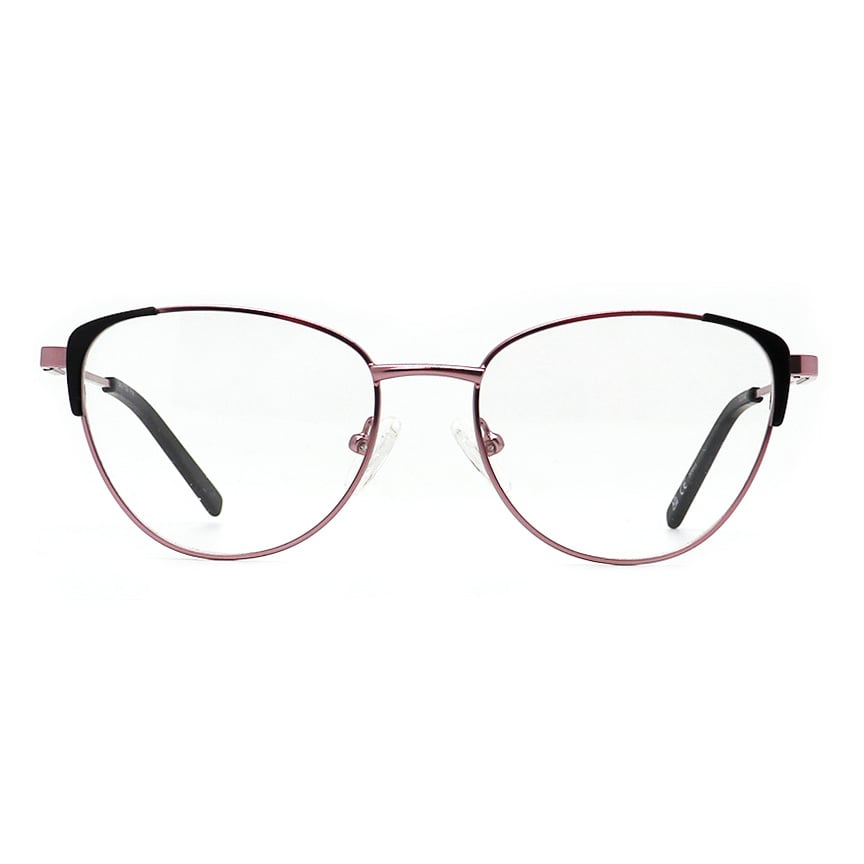
Vertex distance and pantoscopic tilt are interdependent factors that optometrists and eyewear specialists consider during frame fitting and lens calculation. These measurements affect lens power distribution, peripheral vision quality, and the overall optical performance of your prescription frames. By learning how these technical elements work, eyewear buyers can make informed decisions and communicate effectively with opticians about their eyeglass frames needs.
Understanding Vertex Distance in Optical Frames
What Vertex Distance Means
Vertex distance refers to the physical distance between the back surface of the lens and the front surface of the cornea. In prescription frames, this measurement is typically expressed in millimeters and ranges from 10 to 15mm for most eyeglass frames. The standard reference value used in lens calculations is 12mm, which represents the average distance when frames sit properly on your face.
When optical eyewear is prescribed, the optometrist measures your vision at this standard vertex distance. If your actual frames maintain a different vertex distance, the effective lens power changes, potentially causing visual distortions or reduced correction accuracy. This is why frame fit matters beyond aesthetics—the actual distance between your lens and eye directly impacts how well your prescription frames deliver the intended optical correction.
How Vertex Distance Affects Vision Quality
Changes in vertex distance alter the effective refractive power of your eyeglass frames, particularly for higher prescriptions. For every millimeter that frames sit closer to your eye, minus prescriptions become stronger while plus prescriptions become weaker. Conversely, frames positioned farther from the eye reverse these effects. This phenomenon is especially noticeable in myopic (nearsighted) prescriptions above -4.00 diopters and hyperopic (farsighted) prescriptions above +2.00 diopters.
When selecting optical frames, maintaining proper vertex distance ensures that your prescription frames deliver consistent, accurate vision across all viewing distances. A poorly fitting frame that increases vertex distance may cause your nearsighted correction to feel weaker than expected, while a frame that sits too close may overcompensate. Professional optical eyewear fitters understand these nuances and adjust prescription frames accordingly to maintain the vision quality you depend on daily.
Pantoscopic Tilt and Its Role in Frame Fitting
Defining Pantoscopic Tilt
Pantoscopic tilt describes the forward angle of your prescription frames, measured as the angle between the lens plane and a vertical reference line. A positive pantoscopic tilt means the bottom of the frame tips forward slightly, which is the standard orientation for most eyeglass frames in Western eyewear design. Typical pantoscopic tilt ranges from 8 to 12 degrees, though this varies based on frame style, bridge design, and individual facial anatomy.
This forward tilt is intentional and builds upon decades of optical eyewear engineering. When optical frames are tilted forward, they better align with the natural downward gaze pattern used during reading and computer work, reducing the need for excessive downward eye movement. Pantoscopic tilt also positions the lens closer to the eye at the optical center, optimizing vertex distance and improving peripheral vision clarity in prescription frames.
Pantoscopic Tilt Impact on Lens Performance
The amount of pantoscopic tilt in your eyeglass frames significantly influences the optical characteristics of your lenses, especially in multifocal prescriptions. Progressive lenses, bifocals, and trifocals all depend on proper pantoscopic tilt to position the reading area in your natural line of sight. If optical frames have insufficient tilt, the reading segment sits too high, forcing uncomfortable head or eye repositioning. Excessive tilt pushes the reading area too low, requiring constant downward head tilting.
Frames with correct pantoscopic tilt reduce visual distortion and eye strain, particularly during near-vision tasks. This is why professional fitting of prescription frames includes careful pantoscopic tilt assessment. When optical eyewear is adjusted to your specific facial geometry and viewing habits, the combination of proper vertex distance and pantoscopic tilt delivers superior visual comfort and performance throughout your day.
Selecting Optical Frames with Proper Measurements
Frame Design Considerations
Different frame styles naturally produce varying vertex distances and pantoscopic tilt angles. Oversized frames and wide-set designs typically increase vertex distance, while smaller, wrap-style optical frames reduce it. Metal frames with adjustable nose pads offer superior vertex distance control compared to fixed plastic designs. When choosing eyeglass frames, consider how the frame's geometry interacts with your facial structure and prescription requirements.
High-quality prescription frames manufacturers engineer their designs with optical performance in mind. They account for standard vertex distance in their frame geometry and provide adjustability features that allow opticians to fine-tune pantoscopic tilt during fitting. Investing in well-constructed optical eyewear ensures that your prescription frames can be properly adjusted to deliver the vision quality your prescription demands.
Working with Eyewear Specialists
When fitting prescription frames, experienced opticians measure both vertex distance and pantoscopic tilt for each individual. They take into account your specific facial measurements, prescription strength, and lens type to recommend optical frames that will perform optimally. This professional guidance ensures your eyeglass frames deliver consistent, clear vision without unwanted optical distortions or visual fatigue.
Before purchasing optical frames online or in-store, discuss vertex distance and pantoscopic tilt requirements with your eye care provider. Provide them with frame dimensions and style details so they can advise whether specific eyeglass frames will maintain proper optical alignment with your prescription. High-quality optical eyewear providers and professional fitting services prioritize these technical factors, ensuring you receive frames that maximize visual performance and comfort.
FAQ
How does vertex distance affect my prescription strength?
Vertex distance directly changes the effective power of your prescription frames. For minus (nearsighted) prescriptions, frames sitting closer to your eye make the correction stronger, while frames farther away weaken it. For plus (farsighted) prescriptions, the opposite occurs. A standard vertex distance of 12mm is used in prescriptions, so any significant deviation from this measurement can alter your visual clarity. This is why proper frame fit and adjustment are essential for achieving the exact vision correction you need from your optical eyewear.
What is the ideal pantoscopic tilt for prescription frames?
Most eyeglass frames perform optimally with pantoscopic tilt ranging from 8 to 12 degrees, though this varies by individual facial anatomy and frame design. Standard prescription frames typically default to around 10 degrees of pantoscopic tilt. This forward angle aligns with natural downward eye gaze patterns and positions multifocal lenses effectively. Your optician can adjust pantoscopic tilt during fitting to match your specific needs and visual requirements from your optical frames.
Can I adjust vertex distance and pantoscopic tilt myself?
While minor adjustments to pantoscopic tilt can sometimes be made at home using frame adjustment tools, vertex distance requires professional measurement and is largely determined by frame design and fit. Improper adjustments to optical frames can compromise lens performance and damage the frame structure. Always consult a professional optician before attempting to modify your prescription frames. They have the expertise and specialized equipment to ensure your eyeglass frames maintain proper vertex distance and pantoscopic tilt for optimal vision quality and comfort.



