
 EN
Why TR90 Glasses Temples Crack at Screw Holes: Causes and Prevention in Manufacturing
Discover material, design, and manufacturing root causes—and proven prevention strategies for durable optical frames.
TR90 glasses have become a popular choice in eyewear manufacturing due to their lightweight nature and flexibility. However, manufacturers and consumers alike frequently encounter a frustrating problem: temple cracking at screw holes. This issue not only affects the aesthetic appeal of eyewear but also compromises structural integrity and wearer safety. Understanding the root causes of this defect is essential for anyone involved in producing or selecting quality frames. The problem stems from a combination of material properties, design flaws, and manufacturing practices that, when addressed proactively, can be significantly minimized.
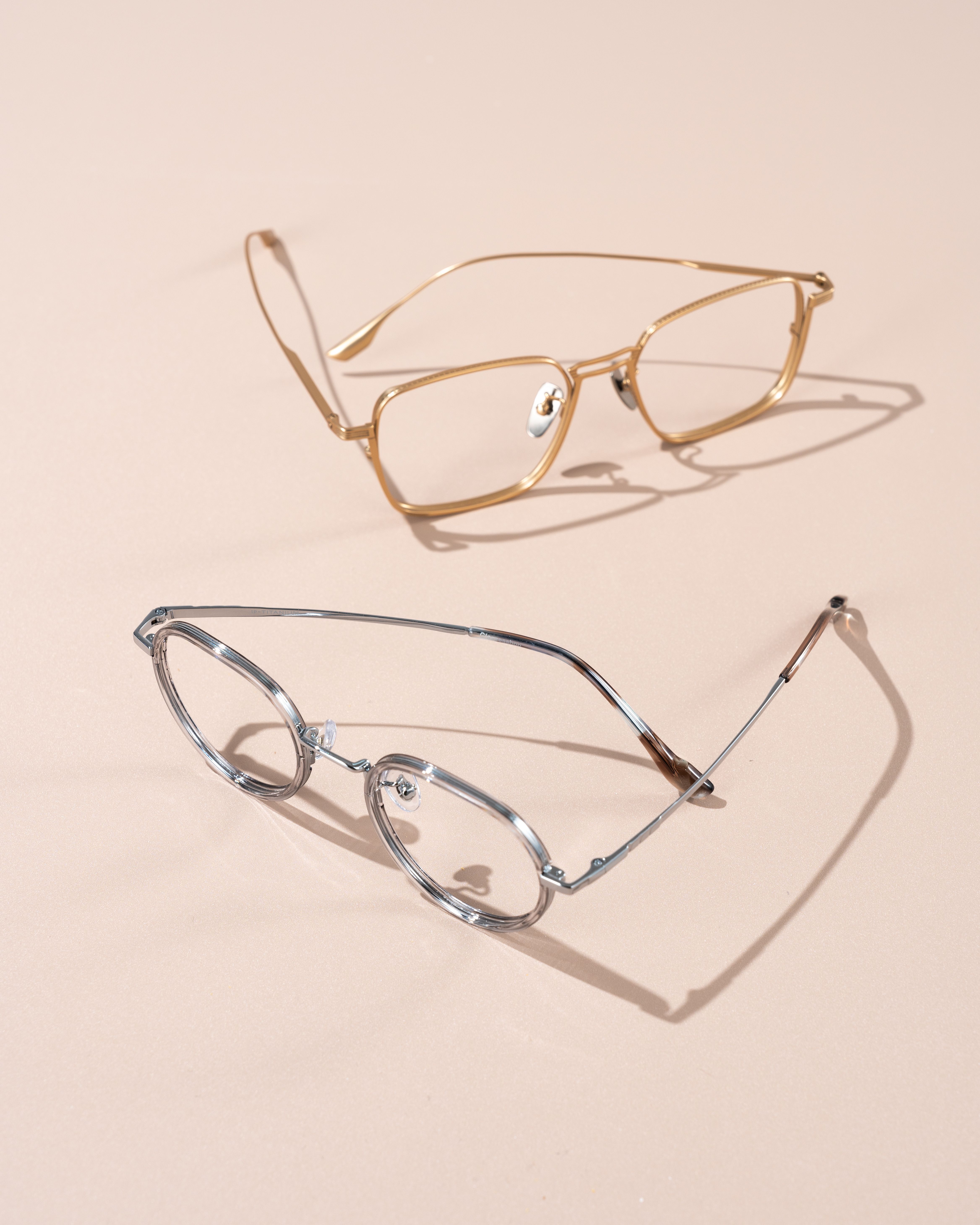
TR90, a thermoplastic material derived from nylon, offers exceptional lightweight properties and color versatility that make it ideal for modern eyewear design. Despite these advantages, TR90 optical frames face inherent material challenges when subjected to stress concentration points, particularly where screw holes are drilled or molded. The temples of glasses experience repeated mechanical stress from everyday use—opening, closing, and adjustment—making them vulnerable to crack propagation if the material lacks adequate reinforcement at critical joints. For manufacturers committed to producing durable TR90 prescription glasses, preventing temple cracking requires understanding both material behavior and production best practices.
Material Properties and Stress Concentration in TR90
Why TR90 Becomes Brittle at Stress Points
TR90 is a thermoplastic material with excellent flexibility and impact resistance under normal conditions. However, its crystalline structure becomes susceptible to crack initiation when concentrated stress develops around sharp geometric features like screw holes. The material exhibits lower tensile strength compared to certain competing polymers, making it particularly prone to stress concentration effects. When force is applied to the temple area during assembly or wear, the stress distributes unevenly if the screw hole lacks proper design support. Manufacturers of TR90 optical frames must account for this material behavior by implementing design modifications that distribute force more evenly across the temple structure.
Temperature and Environmental Impact on Material Integrity
Environmental factors significantly influence the durability of TR90 glasses. Temperature fluctuations, humidity exposure, and UV radiation can alter the material's molecular structure over time, reducing its flexibility and increasing brittleness. In manufacturing environments with inconsistent temperature control, TR90 prescription glasses may experience accelerated material degradation. Cold temperatures particularly increase the risk of crack propagation, as the material becomes less flexible and more prone to sudden failure under stress. Proper storage and transportation conditions, along with material conditioning before molding, help preserve the inherent properties that make TR90 attractive for eyewear production.
Design and Manufacturing Root Causes
Screw Hole Design Deficiencies
The most direct cause of temple cracking in TR90 glasses involves inadequate screw hole design. When holes are drilled with sharp edges or without proper reinforcement, stress concentrates at the hole perimeter, creating an ideal location for crack initiation. Many manufacturers use standard hole drilling practices without considering TR90's specific material properties. TR90 glasses designed with undersized or improperly countersunk holes experience higher failure rates than frames with optimized hole geometry. Best practices include using gradual taper angles around holes, implementing pilot holes before full drilling, and maintaining smooth internal surfaces within the hole structure. Additionally, the placement of screw holes relative to material grain direction and wall thickness significantly affects longevity.
Temple Thickness and Wall Consistency
Inconsistent wall thickness throughout the temple structure creates weak points where stress naturally concentrates. During injection molding of TR90 optical frames, variations in cooling rates and material flow can produce sections with different densities and crystalline orientations. Screw holes placed in thinner wall sections are exponentially more likely to crack under normal use. Manufacturers must implement strict quality control measures to ensure uniform wall thickness throughout the temple, particularly around stress-bearing areas. Advanced molding techniques and mold design refinements help achieve the consistent material density required for reliable TR90 prescription glasses performance.
Prevention Strategies and Manufacturing Solutions
Design Optimization Techniques
Effective prevention of temple cracking begins with design-stage improvements. Implementing reinforcement ribs around screw holes distributes stress more evenly and significantly reduces crack risk in TR90 glasses. Chamfering or rounding hole edges prevents the sharp stress concentration that initiates cracks. Increasing local wall thickness at screw hole locations provides additional material to absorb stress without compromising the lightweight appeal of TR90 optical frames. Finite element analysis during design prototyping allows manufacturers to identify high-stress areas before production begins. Offsetting screw holes slightly from the temple centerline and avoiding placement at section transitions further improves durability of TR90 prescription glasses.
Production Quality Control Measures
Manufacturing processes require rigorous monitoring to prevent temple cracking in TR90 glasses. Material conditioning—heating resin to optimal temperatures before injection—ensures consistent flow and density throughout the final product. Precise temperature control during molding prevents crystalline defects that weaken material around screw holes. Post-molding stress relief treatments, such as controlled oven heating, reduce internal material stresses that accumulate during cooling. Drill bit quality and cutting speed must be carefully managed when creating screw holes; dull bits and improper speeds increase micro-cracking within the material. Quality assurance testing should include tensile and impact tests on temple samples, with destructive testing performed on statistical samples from each production batch. Regular mold inspection and maintenance prevent wear-induced defects that transfer to TR90 optical frames.
Material Selection and Specification Improvements
While standard TR90 resin offers good baseline properties, specifying higher-grade materials with enhanced impact resistance and flexibility can reduce cracking incidents. Some manufacturers blend TR90 with reinforcing fibers or impact modifiers to improve durability without sacrificing weight or optical clarity. Sourcing material from reputable suppliers with consistent quality standards ensures batch-to-batch uniformity in TR90 prescription glasses production. Material specifications should include minimum elongation at break, tensile strength, and impact resistance requirements that exceed standard minimums. Working with material suppliers to understand lot-specific properties allows manufacturers to adjust molding parameters accordingly, ensuring optimal results for each TR90 glasses production run.
FAQ
What causes temple cracking in TR90 glasses specifically at screw holes?
Temple cracking at screw holes in TR90 glasses results from stress concentration at the hole perimeter combined with the material's lower tensile strength relative to metals. The combination of repeated mechanical stress from opening and closing temples, inadequate hole design without reinforcement, and environmental factors that increase material brittleness creates conditions for crack initiation and propagation. Poor hole geometry, inconsistent wall thickness, and material defects all contribute to failure rates in poorly designed TR90 optical frames.
Can TR90 prescription glasses be manufactured without cracking issues?
Yes, TR90 prescription glasses can be manufactured with significantly reduced cracking through proper design optimization, quality material selection, and rigorous production controls. Implementing reinforcement ribs, optimizing hole geometry, ensuring consistent wall thickness, and maintaining strict temperature control during molding all contribute to durable frames. While no manufacturing process achieves zero defect rates, applying comprehensive prevention strategies reduces temple cracking incidents to minimal levels in TR90 glasses.
How should manufacturers test TR90 glasses for crack resistance?
Manufacturers should implement multi-stage testing for TR90 optical frames, including tensile testing on temple samples, repeated opening-and-closing fatigue tests, and impact resistance evaluation. Destructive testing on samples from each production batch provides data on actual material performance. Accelerated aging under UV and temperature cycling can reveal potential failure points. Additionally, examining screw hole integrity under microscopic inspection and conducting pull tests specifically on temple structures near screw holes helps identify design or process weaknesses in TR90 glasses before products reach consumers.



