
 EN
Building a Balanced Eyewear Collection Range: Planning Considerations for Buyers and Brands
Discover data-driven planning strategies for margin, demand, and trend alignment. Build a profitable, customer-centric collection now.
Creating a balanced eyewear collection requires thoughtful planning and strategic decision-making. Whether you're a buyer evaluating inventory for retail locations or a brand developing your product portfolio, understanding the nuances of different eyewear categories is essential. A well-rounded collection balances market demand, customer demographics, profit margins, and seasonal trends. This comprehensive guide explores the key planning considerations that help both buyers and brands create collections that resonate with their target audience while maintaining business viability.
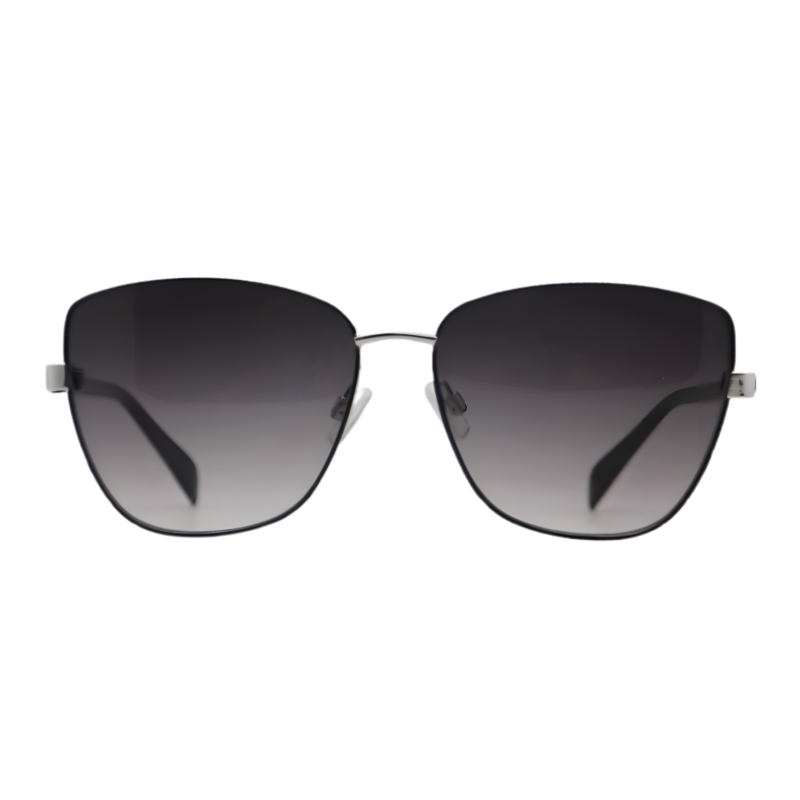
The eyewear market encompasses diverse customer needs and preferences, ranging from corrective optical eyewear to trendy fashion eyewear and specialized prescription eyewear solutions. Each segment serves distinct purposes and attracts different buyer personas. Understanding these distinctions helps you allocate resources effectively and ensure your collection addresses genuine market gaps. The balance between functional and aesthetic appeal determines collection success, making it critical to evaluate how each category contributes to overall performance and customer satisfaction.
Understanding Eyewear Category Dynamics
Optical Eyewear Market Positioning
Optical eyewear represents the functional foundation of most collections, driven by genuine vision correction needs. This category maintains steady demand year-round, as customers require consistent supply for daily wear. Optical eyewear encompasses reading glasses, progressive lenses, and specialized prescription solutions for various vision conditions. The pricing structure for optical eyewear typically reflects lens technology, frame materials, and customization complexity. When building your optical eyewear selection, prioritize frames that accommodate diverse prescription requirements and face shapes, ensuring accessibility for a broad customer base.
Fashion Eyewear and Lifestyle Appeal
Fashion eyewear drives aesthetic preferences and style-conscious purchasing decisions. This segment includes sunglasses, trendy frames, and seasonal styles that capitalize on color trends and designer collaborations. Fashion eyewear collections benefit from higher perceived value and greater profit margins compared to basic optical offerings. The demand for fashion eyewear fluctuates with seasonal patterns, cultural moments, and influencer endorsements. Building a fashion eyewear assortment requires understanding your target demographic's lifestyle preferences, social media trends, and aspirational positioning. Balancing investment in statement pieces with versatile staples ensures your fashion eyewear range appeals across multiple customer segments.
Strategic Collection Planning Framework
Demographic and Psychographic Analysis
Successful eyewear collection planning begins with deep customer understanding. Demographic factors such as age, gender, income level, and geographic location fundamentally shape which eyewear categories will perform strongest. Psychographic dimensions including lifestyle, values, fashion preferences, and technology adoption influence how customers perceive and purchase eyewear. A collection designed for premium urban professionals requires different optical eyewear styles, fashion eyewear options, and price points than one targeting budget-conscious families or outdoor enthusiasts. Analyze your existing customer data, conduct market research, and gather feedback to identify the precise demographic and psychographic profile your eyewear collection should serve.
Inventory Distribution and SKU Optimization
Creating balanced eyewear distribution across product categories prevents overstock in slow-moving segments and stockouts in high-demand areas. Begin by establishing target percentage allocations for optical eyewear, fashion eyewear, and prescription eyewear based on historical sales data and market forecasts. For buyers managing multiple locations, consider that store demographics may warrant different distributions. Some locations benefit from heavier optical eyewear allocation, while others thrive with premium fashion eyewear prominence. Implement SKU rationalization by regularly reviewing performance metrics, discontinuing low-performing styles, and reallocating budget toward proven winners. This disciplined approach maximizes shelf space efficiency and cash flow management throughout your eyewear collection.
Seasonal and Trend Integration
Timing Product Launches Strategically
Seasonal cycles significantly impact eyewear sales patterns, requiring coordinated planning between buyers and brands. Spring and summer seasons typically drive demand for fashion eyewear, particularly sunglasses and lightweight frames suited for outdoor activities. Autumn and winter months see increased prescription eyewear purchases as customers return from summer and address accumulated vision concerns. Understanding these natural cycles helps brands time new collection launches and helps buyers plan purchasing schedules effectively. Additionally, major holidays, back-to-school periods, and sporting events create predictable traffic spikes that should inform your eyewear collection strategy.
Trend Responsiveness Without Overcommitment
Fashion eyewear trends emerge constantly, creating both opportunity and risk for collection managers. Successful buyers and brands develop early warning systems for emerging trends through industry publications, social media monitoring, and customer feedback channels. However, committing heavily to unproven trends can result in excess inventory and markdowns. A balanced approach dedicates a small percentage of budget to experimental trend-forward pieces while maintaining investment in timeless core styles. This strategy allows your eyewear collection to remain fresh and relevant without sacrificing financial stability. Collaborate with suppliers who offer flexible ordering, quick turnaround times, and trend forecasting expertise to stay competitive while managing risk effectively.
Pricing Architecture and Margin Optimization
Tiered Pricing Strategy
Establishing a clear pricing architecture across your eyewear collection serves multiple strategic purposes. A three-tiered approach—entry-level, mid-market, and premium optical eyewear and fashion eyewear options—accommodates diverse customer budgets while capturing margin opportunities at each level. Entry-level frames attract price-sensitive buyers and build customer loyalty, while premium optical eyewear and prescription eyewear solutions serve affluent customers seeking advanced technology and exclusive designs. The middle tier typically generates the highest volume, making it the profit engine for most eyewear collections. Buyers should ensure their sourcing strategy supports this tiered approach, while brands must develop distinct product lines that justify price differentiation through genuine quality, technology, or design differences.
Margin Analysis and Gross Profit Management
Different eyewear categories generate varying margins, requiring careful financial analysis. Optical eyewear traditionally offers moderate margins offset by consistent demand, while fashion eyewear commands higher margins but faces seasonal volatility. Prescription eyewear services often yield premium margins due to customization complexity. Perform detailed profitability analysis by category, recognizing that volume-driven success with entry-level frames may outperform smaller volumes of high-margin premium optical eyewear. Track metrics such as units sold, revenue per style, and inventory turnover to optimize your eyewear collection's overall profitability. This data-driven approach prevents over-allocation to attractive-sounding categories that underperform financially.
FAQ
What percentage of a balanced eyewear collection should be dedicated to optical versus fashion eyewear?
The optimal balance depends entirely on your target market and sales history. Most successful collections maintain approximately 50 to 60 percent allocation to optical eyewear, including prescription options, while dedicating 40 to 50 percent to fashion eyewear and specialty categories. However, luxury retailers may skew heavily toward premium fashion eyewear, while medical-focused operations prioritize prescription eyewear almost exclusively. Analyze your actual sales data rather than applying generic percentages, and adjust allocations quarterly based on performance trends and market shifts.
How often should buyers refresh their eyewear collection assortment?
A comprehensive refresh cycle of two to three years works well for most eyewear collections, with seasonal adjustments every quarter. However, fashion eyewear segments should be evaluated more frequently—every 60 to 90 days—to remain trend-current and responsive to customer preferences. Optical eyewear styles can maintain longer shelf lives if they continue performing well. Implement continuous SKU monitoring systems that flag slow movers, identify emerging winners, and highlight replenishment needs. This disciplined rhythm prevents collection staleness while avoiding excessive turnover costs that erode profitability.
Should small retailers pursue their own private-label eyewear collection?
Private-label eyewear can differentiate your collection and improve margins, but requires significant investment in design, tooling, and minimum order quantities. Smaller retailers typically benefit more from curating exceptional third-party brands that align with their positioning than attempting private-label development. However, selective private-label options for mid-tier fashion eyewear or basic frames can create exclusivity without excessive risk. Evaluate your scale, customer base willingness to support premium pricing, and internal capability before pursuing private-label eyewear strategies. Many successful retailers start with pilot private-label products before expanding commitment.



