
 EN
Injection Molding vs CNC Cutting for Eyewear Frame Production: Key Differences for Buyers
Compare precision, cost, lead times & materials—make the right choice for your volume and brand.
Manufacturing methods fundamentally shape the quality, cost, and market viability of eyewear products. When producing eyewear frames, manufacturers and buyers face a critical choice between injection molding and CNC cutting, two distinct manufacturing processes that deliver vastly different results in terms of precision, scalability, and production economics. Understanding these differences is essential for anyone involved in eyewear production, whether you are sourcing optical eyewear, fashion eyewear, or prescription eyewear for your brand.
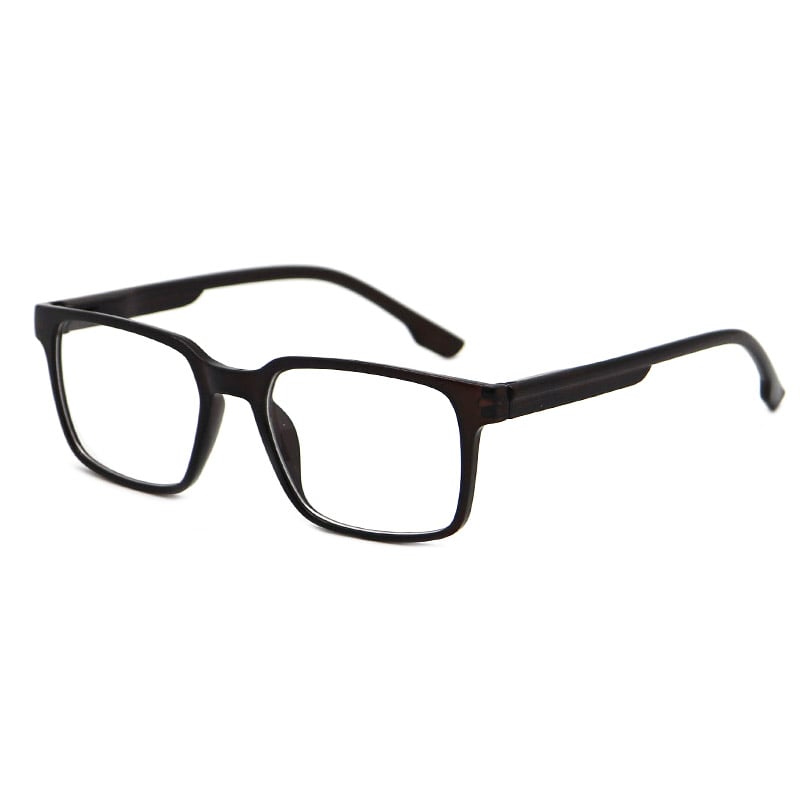
Both processes serve the eyewear industry but operate on entirely different principles, cost structures, and production philosophies. Injection molding excels in high-volume production with consistent quality, while CNC cutting offers flexibility and precision for lower volumes and complex designs. Selecting the right method requires understanding your production volume, design complexity, material requirements, and budget constraints.
Understanding Injection Molding for Eyewear Production
Core Process and Capability
Injection molding involves heating plastic or other materials until they reach a liquid state, then forcing them under pressure into a precisely engineered mold. Once the material cools and solidifies within the mold cavity, the finished eyewear frame emerges with minimal post-processing required. This method is particularly effective for producing prescription eyewear and fashion eyewear in large quantities because the mold produces identical parts consistently across thousands or millions of units.
The process begins with mold design and fabrication, which represents a significant upfront investment. However, once the mold exists, the cost per unit drops dramatically with each additional piece produced. Injection molding can incorporate complex geometric details, undercuts, and fine textures directly into the eyewear frame design without additional machining steps.
Economic Advantages and Volume Considerations
For optical eyewear and prescription eyewear manufacturers operating at scale, injection molding delivers unbeatable per-unit economics. When producing 10,000 or more eyewear frames annually, the mold cost amortizes quickly, resulting in lower material and labor costs compared to alternative methods. Large brands producing fashion eyewear collections understand this advantage and rely on injection molding to maintain profitability at retail price points.
Quality consistency also improves with injection molding because the process relies on machine repeatability rather than operator skill. Every optical eyewear frame produced shares identical dimensional accuracy, surface finish, and material properties. This consistency reduces quality control burden and customer returns.
Understanding CNC Cutting for Eyewear Frame Production
Mechanism and Design Flexibility
CNC cutting, or Computer Numerical Control machining, removes material from a solid block or sheet using precision cutting tools guided by computer-controlled coordinates. Unlike injection molding, CNC cutting starts with a bulk material and carves away everything except the desired eyewear frame shape. This subtractive process works with acetate, titanium, aluminum, and other materials suitable for creating high-end optical eyewear and prescription eyewear.
The primary advantage of CNC cutting lies in design freedom and rapid adaptation. When a fashion eyewear brand wants to test a new frame shape or iterate based on customer feedback, CNC cutting requires only a design file update. No expensive mold fabrication is necessary. This flexibility makes CNC cutting ideal for limited edition releases, custom eyewear projects, and prototype development.
Cost Structure and Production Volume Trade-offs
CNC cutting typically carries higher per-unit material costs because substantial material waste occurs during the machining process. However, there is no significant tooling investment required upfront. For small-volume optical eyewear production, custom prescription eyewear orders, or fashion eyewear collections ranging from 100 to 2,000 units, CNC cutting often proves more economical than injection molding when total project costs are calculated.
Labor intensity also remains higher with CNC cutting because each frame requires dedicated machine time. Setup, tool changes, and quality inspection consume resources proportional to production volume. Scaling production with CNC cutting becomes progressively less cost-effective as volumes grow.
Key Differences Affecting Buyer Decisions
Material Selection and Frame Performance
Injection molding excels with thermoplastic materials like acetate, polycarbonate, and nylon, offering durability, color variety, and cost efficiency for prescription eyewear and fashion eyewear production. CNC cutting works exceptionally well with premium materials including titanium, stainless steel, and high-grade acetate, which justify the higher material cost through perceived quality and luxury positioning in the optical eyewear market.
Buyers sourcing optical eyewear for mass-market brands prioritize injection molding because thermoplastic frames balance cost and performance effectively. Conversely, luxury fashion eyewear brands often specify CNC cutting to access premium material aesthetics and limited production runs that reinforce brand exclusivity.
Lead Times and Production Scheduling
Injection molding requires 8 to 16 weeks for mold design, fabrication, and initial sampling before mass production begins. Once the mold is ready, prescription eyewear and optical eyewear production can proceed rapidly. CNC cutting requires only 2 to 4 weeks to produce initial samples and begin small-batch manufacturing immediately. This speed advantage matters significantly for fashion eyewear brands launching seasonal collections or responding to market trends.
Buyers with rigid launch schedules must weigh injection molding's longer upfront lead time against its faster per-unit production speed once tooling completes. Conversely, fashion eyewear retailers comfortable with staggered production prefer CNC cutting's ability to produce eyewear frames on demand without committing to inventory forecasts.
Quality and Precision Outcomes
Both methods achieve high precision, but through different mechanisms. Injection molding delivers dimensional consistency across entire production runs because the mold controls part geometry mechanically. Prescription eyewear produced via injection molding exhibits uniformity that satisfies stringent optical standards. CNC cutting delivers precision through operator expertise and machine calibration, resulting in exceptional individual frames but with tighter tolerances requiring more rigorous quality control.
Buyers evaluating optical eyewear manufacturers should recognize that injection molding inherently supports tighter specifications across large volumes, while CNC cutting suits small-volume, high-precision custom work or premium fashion eyewear applications.
FAQ
When should a buyer choose injection molding over CNC cutting for eyewear production?
Choose injection molding when planning to produce more than 5,000 units annually, aiming for prescription eyewear or optical eyewear with consistent specifications, or seeking to minimize per-unit material and labor costs. The upfront mold investment becomes justified quickly at higher volumes, making injection molding the clear choice for mass-market fashion eyewear and established eyewear frame lines.
What are the typical cost differences between injection molding and CNC cutting for eyewear?
Injection molding carries tooling costs of 3,000 to 15,000 dollars upfront but results in per-unit costs of 1 to 3 dollars for optical eyewear or prescription eyewear at volume. CNC cutting eliminates upfront tooling but costs 5 to 15 dollars per unit for fashion eyewear or custom frames. At 5,000 units, injection molding typically costs less overall despite the mold investment.
Can CNC cutting produce eyewear with the same quality as injection molding?
Yes, CNC cutting produces premium-quality optical eyewear and fashion eyewear, often exceeding injection-molded frames in material aesthetics and luxury positioning. However, consistency across large production runs favors injection molding because the mold ensures identical dimensions for every prescription eyewear frame produced, whereas CNC cutting relies on operator skill and machine recalibration for batch consistency.



