
 EN
Evaluating a Sunglasses Supplier Before First Orders: Practical Quality Control Steps
Avoid costly defects & delays: Discover 7 practical quality control steps to vet sunglasses suppliers before your first order.
Selecting the right Sunglasses Supplier is one of the most critical decisions a retailer, distributor, or brand owner can make. Your supplier directly influences product quality, brand reputation, delivery timelines, and ultimately profitability. Before placing your first significant order, a thorough evaluation process protects your investment and ensures alignment with your business standards. This guide walks you through practical quality control steps that experienced buyers use to vet suppliers and make confident decisions.
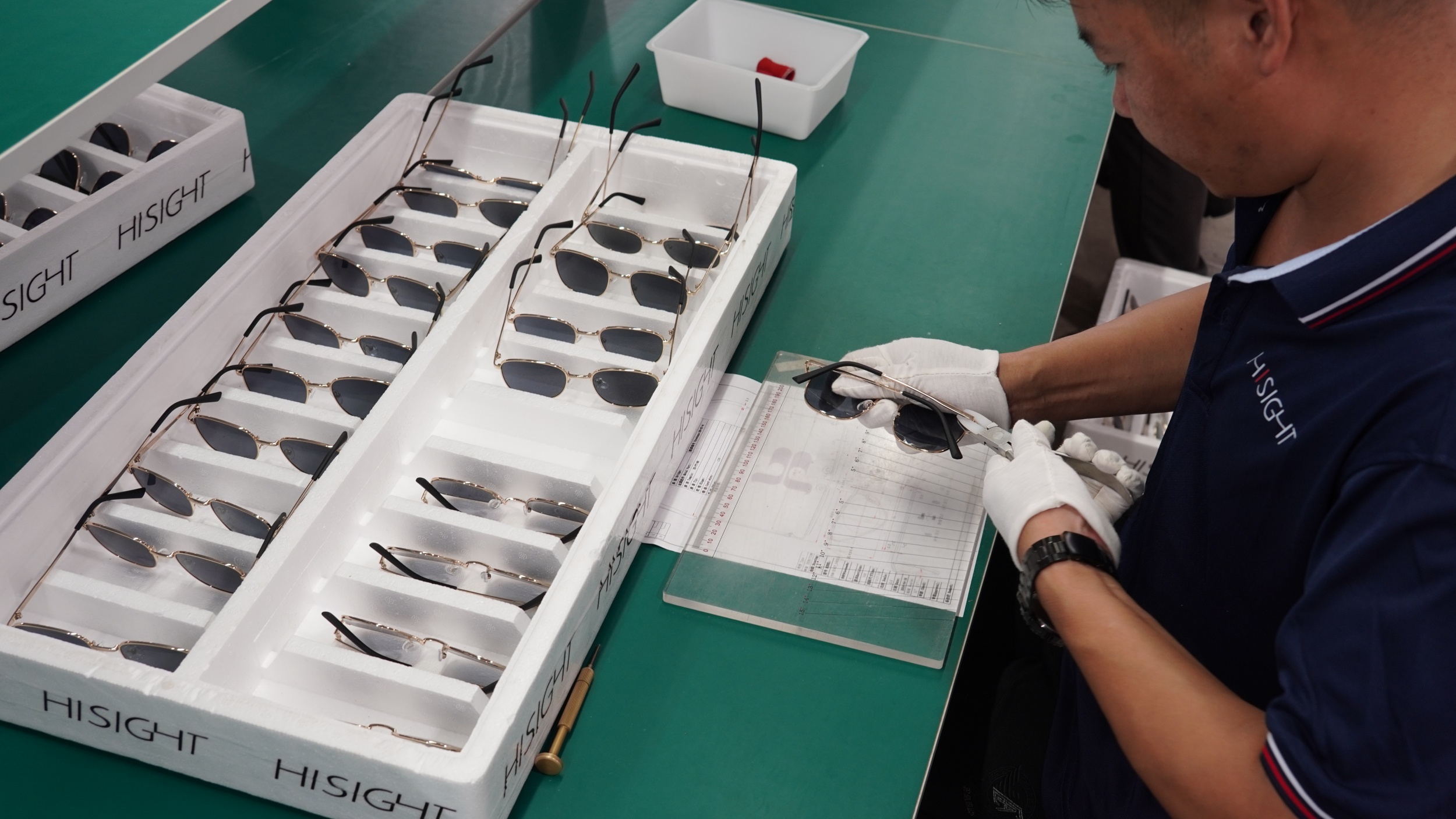
The sunglasses market demands consistency, style compliance, and durability. Working with an unreliable sunglasses vendor can result in delayed shipments, quality defects, color mismatches, and damage to your customer relationships. A structured evaluation process reduces risk and builds a foundation for long-term partnerships. The steps outlined here apply whether you are seeking eyewear sourcing for retail inventory, wholesale distribution, or custom branding projects.
Understanding Supplier Credentials and Production Capacity
Verify Manufacturing Experience and Certifications
Start by confirming that your potential sunglasses vendor holds relevant industry certifications and has demonstrated manufacturing experience. Request documentation such as ISO 9001 quality management certification, ISO 14001 environmental compliance, or industry-specific eyewear standards. Ask how long they have been producing sunglasses and request references from established brands or retailers who currently purchase from them. Manufacturing experience matters because it indicates whether the supplier understands UV protection standards, lens materials, frame durability, and finish quality that customers expect.
During sunglasses sourcing conversations, discuss their quality control protocols. A credible vendor should have in-house testing capabilities, documented inspection procedures at multiple production stages, and clear processes for handling defects. Request their quality assurance documentation and ask specific questions about lens testing, frame stress testing, and color consistency verification. Transparency here signals professionalism and commitment to standards.
Assess Production Capacity and Lead Times
Understanding a sunglasses wholesale supplier's production capacity ensures they can meet your volume requirements without sacrificing quality. Ask about their monthly production capacity, typical lead times for standard orders, and rush order capabilities. A supplier stretched too thin may cut corners or miss deadlines. Conversely, a supplier with excess capacity may not prioritize your orders appropriately. The best match typically offers capacity that aligns with your growth projections while maintaining consistent quality standards.
Request their production schedule and understand which seasons or periods experience higher demand. This conversation reveals whether they can scale for seasonal peaks or new product launches. For eyewear sourcing, confirm they have backup suppliers for critical materials like lenses and hardware, ensuring continuity even if their primary suppliers face disruptions.
Conducting Product Quality Assessments
Order and Inspect Sample Products
Before committing to bulk orders, request sample sunglasses that match your intended specifications. A reputable sunglasses supplier should provide samples at minimal or no cost, especially if you hint at substantial future orders. Inspect these samples thoroughly for lens clarity, frame alignment, hinge strength, paint finish uniformity, and logo placement accuracy. Test the UV protection claims independently through a certified lab if necessary, particularly for medical or compliance-sensitive applications.
When evaluating samples from your sunglasses vendor, pay attention to details that signal overall production standards. Check whether the hinge movements feel smooth and consistent, whether screws are tightened uniformly, and whether any paint or coating shows chips or imperfections. Examine the packaging quality as well, since poor packaging during eyewear sourcing can result in damaged goods upon arrival. These tangible details reveal the supplier's attention to quality and their capability to meet your aesthetic expectations.
Define Clear Quality Specifications and Tolerances
Work with your sunglasses wholesale supplier to establish written quality specifications before production begins. Document lens thickness tolerances, frame dimensions, weight specifications, color standards, logo placement accuracy, and acceptable defect thresholds. Include details about lens coatings, scratch resistance, anti-reflective properties, and any custom branding requirements. This documentation becomes the contractual reference point and eliminates ambiguity during inspections.
Discuss which defects are acceptable and which warrant rejection or rework. For example, minor scratches on internal surfaces might be acceptable, but visible scratches on customer-facing lens surfaces should not be. A transparent sunglasses vendor will engage in these detailed conversations and incorporate your standards into their production checklist.
Establishing Long-Term Supplier Relationships and Support
Evaluate Communication and Responsiveness
Pay close attention to how your potential sunglasses supplier communicates during the evaluation phase. Do they respond promptly to inquiries? Do they provide detailed answers or vague generalizations? Do they proactively offer solutions when questions arise? Communication quality during this early phase predicts how they will handle issues after orders are placed. A sunglasses vendor who is difficult to reach now will likely become more difficult if problems emerge with production or shipments.
Establish preferred communication channels, response time expectations, and escalation procedures before the first order. For eyewear sourcing, clarify how you will receive production updates, quality reports, and shipping notifications. Request a dedicated contact person rather than rotating between multiple staff members, ensuring consistency and relationship continuity.
Review Terms, Flexibility, and Dispute Resolution
Negotiate contract terms that protect both parties while reflecting realistic business practices. Discuss pricing structures for different volume tiers, payment terms, intellectual property protection, and confidentiality agreements. A professional sunglasses wholesale supplier will have standard terms available but should be willing to negotiate key elements based on your relationship size and commitment level.
Address what happens if the first order contains defects or fails to meet specifications. Will the supplier offer rework, replacement, or partial refunds? How long do you have to report issues? What happens if defects are discovered after sale to end customers? A reputable sunglasses vendor will stand behind their products and offer reasonable remedies. This safety net is essential for protecting your business from financial loss and customer dissatisfaction during the critical early stages of your sourcing relationship.
FAQ
What red flags should I watch for when evaluating a sunglasses vendor?
Major red flags include unwillingness to provide samples, vague answers about quality standards, no visible certifications or references, inability to meet reasonable lead times, poor communication responsiveness, and refusal to document specifications in writing. A sunglasses supplier who resists transparency or pressures you to place orders without proper evaluation is likely trying to hide operational weaknesses. Trust your instincts and move forward only when you feel confident in the vendor's professionalism and commitment to quality.
How many samples should I request before committing to an order?
Request at least three to five samples representing different color options, styles, or customization approaches relevant to your intended order. This quantity allows you to check for consistency across batches and variants. For eyewear sourcing involving custom branding or materials, requesting even more samples may be justified. Inspect each sample independently and compare results to identify whether quality variations exist. A sunglasses wholesale supplier should accommodate reasonable sample requests without charging excessive fees.
What quality tests should be performed before approving production?
Essential tests include UV protection verification through certified laboratory analysis, lens optical quality checks for distortion or clarity issues, frame durability stress testing on hinges and joints, color consistency assessment against approved standards, and finish quality examination for scratches or coating defects. For sunglasses sourcing involving claimed impact resistance or polarization, independent testing validates these claims before bulk production. Partner with your sunglasses supplier to understand which tests they perform in-house and which you should conduct independently for verification and risk mitigation.



