
 EN
Single Supplier vs Multi-Supplier Sourcing for Sunglasses Programs: Key Differences for Buyers
Compare single vs multi-supplier sunglasses sourcing strategies—cost, quality, resilience & ROI. Download decision framework.
Choosing between a single sunglasses supplier and a multi-supplier sourcing strategy represents one of the most critical decisions facing eyewear buyers today. This choice directly impacts your supply chain resilience, cost structure, product quality consistency, and overall business flexibility. Whether you operate a retail chain, corporate gift program, or fashion brand, understanding the fundamental differences between these two sourcing approaches will help you make a more informed decision aligned with your operational needs and market conditions.
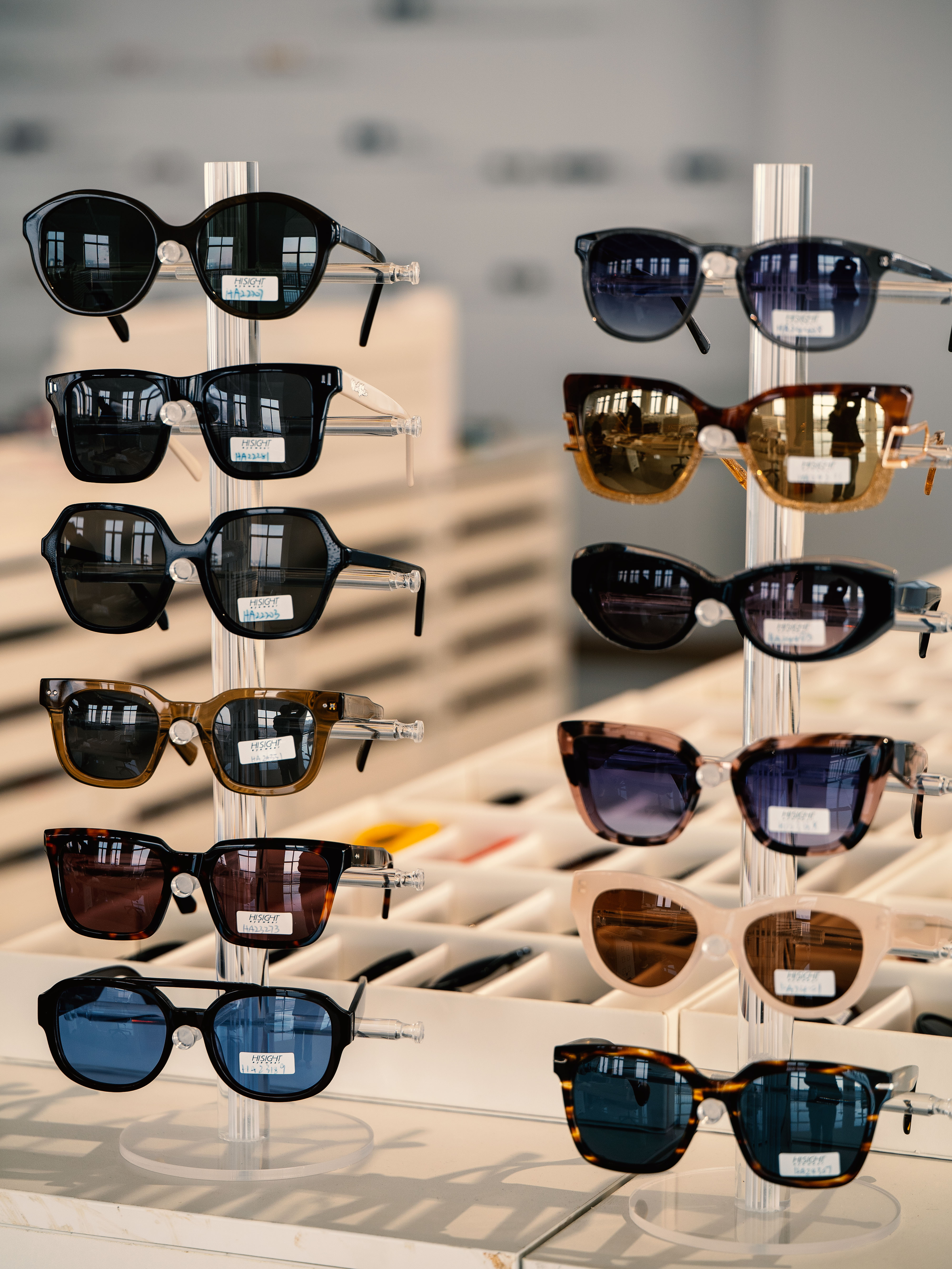
The decision between single and multi-supplier models is not simply about quantity or relationship count. Each approach carries distinct strategic advantages, inherent vulnerabilities, and operational trade-offs that merit careful evaluation. Your choice will shape how you manage risk, negotiate pricing, maintain quality standards, and respond to market changes throughout the year.
Single Supplier Sourcing Strategy
Concentrated Partnership Model
Single sunglasses vendor arrangements create deep, concentrated relationships with one primary sunglasses supplier. This model typically involves larger order volumes directed to one partner, which often translates into stronger negotiating leverage on unit pricing, custom design flexibility, and priority production scheduling. Many eyewear sourcing professionals find that consolidating demand with a single vendor simplifies procurement logistics, reduces communication overhead, and fosters predictable delivery timelines.
The concentrated approach also enables deeper customization capabilities. A dedicated sunglasses vendor managing your entire program can invest in understanding your brand identity, seasonal requirements, and quality specifications at a granular level. This familiarity frequently results in proactive innovation suggestions, faster sample turnaround, and willingness to accommodate special requests that might be declined by a vendor managing smaller order portions.
Cost and Quality Consistency Benefits
When you consolidate sunglasses wholesale volumes with one supplier, you often unlock better per-unit pricing due to economies of scale applied to your consolidated order. The vendor's production efficiency improves when manufacturing larger continuous batches of your styles, reducing setup costs and overhead allocation per unit. Additionally, quality control becomes more standardized since one sunglasses vendor team manages all inspections, packaging, and logistics for your eyewear sourcing program.
However, this model introduces significant risk concentration. Any operational disruption at your primary sunglasses supplier—whether due to equipment failure, labor shortage, natural disaster, or geopolitical issues—immediately threatens your entire supply stream. Single-supplier dependency can leave you vulnerable to unexpected price increases, unilateral terms changes, or production delays that directly impact your revenue and customer satisfaction.
Multi-Supplier Sourcing Approach
Distributed Risk and Supply Chain Resilience
Multi-supplier eyewear sourcing strategies distribute your volume across two or more vendors, each managing a portion of your sunglasses wholesale needs. This approach provides immediate supply chain redundancy: if one sunglasses vendor experiences disruption, your other suppliers continue fulfilling orders, minimizing business impact. Many eyewear sourcing managers choose this strategy specifically to hedge against geopolitical tensions, logistics bottlenecks, or natural disasters that could interrupt single-sourcing arrangements.
The distributed model also preserves your negotiating power. When you maintain relationships with multiple qualified sunglasses vendors, each supplier understands you can shift volume if service quality or pricing deteriorates. This competitive dynamic encourages suppliers to maintain high performance standards, respond promptly to requests, and avoid complacency. Additionally, multi-sourcing allows you to test new products or manufacturing techniques with one vendor while maintaining stable production with established partners.
Operational Complexity and Cost Trade-offs
Splitting your sunglasses vendor base introduces administrative overhead. You must manage multiple vendor relationships, negotiate separate terms, maintain parallel quality control processes, and coordinate delivery schedules across different suppliers. This complexity increases your procurement team's workload and may reduce the per-unit pricing you could negotiate under full consolidation with a single sunglasses supplier.
Furthermore, customization requests become more complicated with multi-supplier models. When your eyewear sourcing spans multiple vendors, each may have different design capabilities, tooling constraints, and minimum order quantities. Maintaining consistent product quality across your sunglasses wholesale portfolio requires more rigorous quality specifications and inspection oversight than single-supplier arrangements typically demand.
Strategic Decision Framework for Buyers
Assessing Your Business Requirements
The optimal sourcing strategy depends on your specific operational context and risk tolerance. Consider your demand volume: if your sunglasses vendor relationship involves relatively modest annual volumes, single-supplier arrangements may offer sufficient cost benefits and relationship stability. Conversely, if you purchase significant eyewear sourcing quantities and operate in a price-sensitive market, multi-supplier distribution can protect against supply shock and maintain competitive leverage.
Evaluate your product complexity and customization requirements too. Highly customized sunglasses wholesale programs may benefit from single-vendor expertise, while standardized or seasonal collections can be efficiently managed across multiple vendors. Similarly, assess your supply chain geography: if your sunglasses suppliers are geographically concentrated, multi-sourcing from different regions mitigates regional disruption risks.
Hybrid and Contingency Strategies
Many sophisticated buyers adopt hybrid models: maintaining a primary sunglasses vendor for core volumes while keeping secondary vendors active through periodic smaller orders. This arrangement provides price benefits from concentrated primary sourcing while preserving supply chain flexibility and competitive leverage. Your secondary sunglasses supplier relationships stay warm and capable of scaling up quickly if your primary vendor faces disruption.
Contingency planning should be integral to your decision-making process. Define clear trigger points that would activate your backup vendors if your primary sunglasses supplier experiences delays or quality issues. Establish documented vendor scorecards measuring on-time delivery, quality compliance, responsiveness, and pricing competitiveness. These metrics help you make objective decisions about whether to expand, reduce, or shift your sunglasses vendor partnerships as circumstances evolve.
FAQ
What are the main cost differences between single supplier and multi-supplier sunglasses sourcing?
Single-supplier arrangements typically offer 5–15% lower per-unit pricing due to volume consolidation and economies of scale, but eliminate negotiating leverage and increase price increase vulnerability. Multi-supplier models usually result in slightly higher unit costs but preserve competitive pressure that can offset pricing through better service, faster response times, and reduced risk of supply disruption that could force emergency expedited sourcing at premium rates.
How can eyewear sourcing buyers reduce the risk of supplier dependency?
Implement a tiered vendor strategy where your primary sunglasses vendor handles 60–70% of volume while secondary vendors maintain active capacity through regular orders representing 20–30% of needs. Establish documented quality and delivery standards across all partners, maintain transparent communication about your volume forecasts, and periodically audit alternative suppliers to ensure you can quickly scale backup relationships if your primary sunglasses vendor becomes unavailable.
When should a buyer transition from single to multi-supplier sunglasses wholesale arrangements?
Consider multi-sourcing when your sunglasses supplier faces consistent delays, quality issues, or price increases; when geopolitical or weather events threaten your vendor's region; when your volume grows large enough that spreading it across vendors maintains attractive pricing; or when your product portfolio becomes too complex for single-vendor expertise. Monitor your market conditions regularly, and maintain relationships with alternative suppliers even if your current model works well, so you can transition quickly if circumstances change.



