
 EN
Pre-Production Sample Approval Steps With a Sunglasses Supplier: A Technical Guide for Eyewear Buyers
Avoid costly delays & defects: Master the technical pre-production sample approval process for sunglasses sourcing. Ensure quality, compliance & timeline adherence—start now.
Pre-production sample approval represents a critical checkpoint in eyewear sourcing that separates successful partnerships from costly mistakes. When working with a sunglasses supplier, the ability to evaluate and approve samples before full-scale manufacturing directly impacts product quality, timeline adherence, and overall project profitability. This technical guide walks buyers through each phase of the pre-production approval process, ensuring you extract maximum value from your sunglasses vendor relationship and maintain strict quality standards from the very first production run.
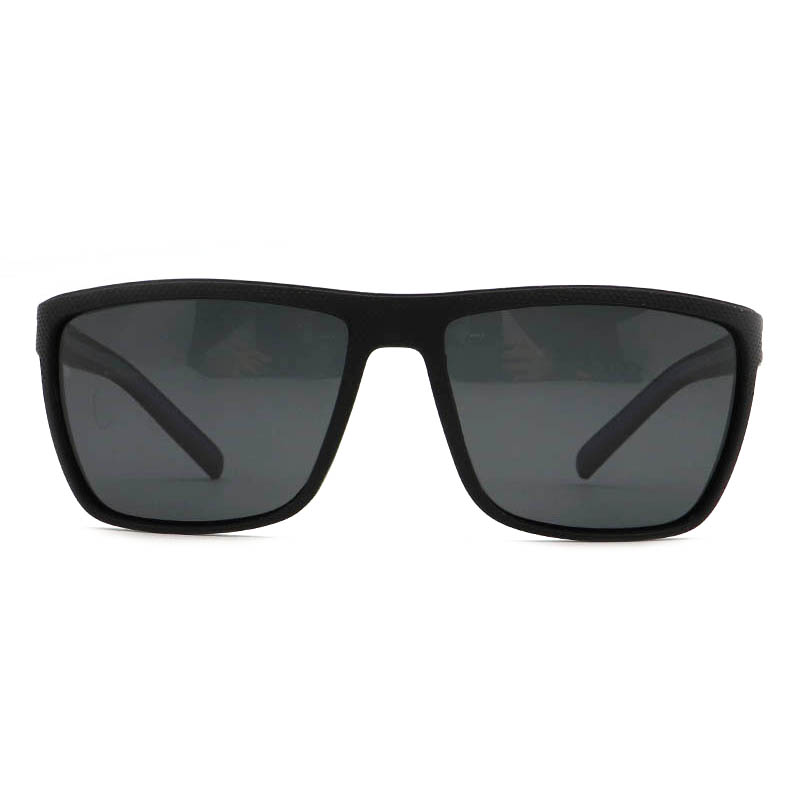
The pre-production sample phase typically occurs after design approval but before committing to large-quantity manufacturing. During eyewear sourcing, samples reveal how design specifications translate into physical products and whether your chosen sunglasses wholesale partner can execute your vision consistently. Understanding the approval workflow prevents delays, reduces revision cycles, and establishes clear expectations with your supplier regarding quality benchmarks and delivery timelines.
Sample Specification and Submission Process
Defining Clear Technical Requirements
Before requesting samples from your sunglasses supplier, establish comprehensive technical specifications that cover every production detail. These specifications must include lens material, frame dimensions, weight distribution, hinge mechanism type, UV protection rating, anti-glare coating specifications, and color variants. When communicating with a sunglasses vendor, precision in these specifications prevents misinterpretation and ensures the sample reflects your exact intent. Include reference images, technical drawings, and material samples whenever possible to eliminate ambiguity during the eyewear sourcing phase.
Requesting Multiple Sample Variants
Your sunglasses supplier should provide samples across key variables such as frame colors, lens tints, and size options. Request at least two to three variants from each sunglasses wholesale partner to assess consistency and quality variation. This multi-variant approach identifies production inconsistencies early, allowing your vendor to make corrections before full manufacturing begins. Communicate clearly that these initial samples represent approved baseline standards that production units must match or exceed in all quantifiable metrics.
Technical Evaluation and Quality Checkpoints
Physical Inspection and Dimensional Verification
Upon receipt, immediately inspect samples for dimensional accuracy using calibrated measuring instruments. Verify frame width, temple length, bridge width, lens height, and lens width against your technical specifications. Check that hinge mechanisms operate smoothly through multiple open-close cycles without binding, creaking, or misalignment. Examine nose pads and temple tips for proper material consistency and comfort characteristics. When evaluating samples from a sunglasses supplier, dimensional tolerances should align with your written specifications, typically within plus or minus 0.5 millimeters for critical measurements.
Material Quality and Finish Assessment
Assess lens clarity, optical distortion, and coating adhesion by holding lenses at various angles under different lighting conditions. Lens surfaces must be free from scratches, bubbles, inclusions, and haze. Examine frame materials for color consistency, surface finish uniformity, paint adhesion, and any visible defects or injection molding artifacts. Request that your sunglasses vendor provide material certificates confirming UV protection levels and material composition. For eyewear sourcing involving coated lenses, verify that anti-reflective, anti-glare, or hydrophobic coatings remain stable and uniform across the entire lens surface.
Functional Performance Testing
Test UV protection ratings using laboratory-grade spectrophotometers to confirm that lenses block the specified percentage of UVA and UVB radiation. Conduct salt spray or corrosion resistance testing on metal components if your sunglasses wholesale order includes metallic frames. Verify lens impact resistance if your product specification includes this requirement. Test hinge durability by cycling the frames through repeated open-close sequences—typically 10,000 cycles for commercial eyewear. Document all test results and share findings with your sunglasses supplier to establish baseline performance expectations for production units.
Revision Cycles and Final Approval Documentation
Feedback Documentation and Revision Requests
Document all findings from your sample evaluation in a structured revision report. Categorize issues as critical, major, or minor based on impact to product performance, safety, or market acceptance. Critical issues prevent production approval and require immediate correction before resampling. Major issues must be resolved but may allow limited production if properly scheduled. When communicating with your sunglasses vendor about revisions, provide photographic evidence, specific measurement data, and clear acceptance criteria for each item. This documentation creates accountability and prevents disputes regarding what constitutes acceptable quality for eyewear sourcing projects.
Resampling and Iterative Approval
Most eyewear sourcing projects require one to three resampling cycles before final approval. Your sunglasses supplier should commit to turnaround times for revised samples, typically five to ten business days depending on revision scope. Each resampling round should address the specific items documented in your previous feedback. Before approving final samples, verify that all critical and major revisions have been completed and tested successfully. Obtain signed approval documentation from all stakeholders—product managers, quality teams, and design leads—to ensure complete organizational alignment before authorizing production.
Production Authorization and Quality Standards Documentation
Once samples meet all specifications, issue formal approval documentation that references the approved sample as the production standard. This sunglasses supplier approval establishes binding quality benchmarks for all manufactured units. Include approved sample photographs, dimensional specifications, material certifications, and performance test results in this documentation. Specify acceptable quality variance ranges for color, finish, dimensions, and other measurable attributes. Your sunglasses wholesale partner should acknowledge receipt of this approval documentation and confirm their commitment to maintaining these quality standards throughout production and delivery.
FAQ
How many sample revisions are typical before eyewear sourcing approval?
Most eyewear sourcing projects require one to three resampling cycles. Simple products with minimal customization may need only one revision, while complex designs or multiple variants often require two to three rounds. Clear initial specifications reduce revision cycles, so investing time upfront with your sunglasses vendor saves time and cost later. Establishing realistic timelines with your sunglasses supplier helps manage expectations and allows adequate iteration for quality.
What documentation should I require from my sunglasses vendor after sample approval?
Your sunglasses supplier should provide material certifications, UV protection test reports, dimensional verification certificates, and signed approval documentation referencing the approved sample. These materials form your quality contract with the vendor and establish legal accountability for production standards. Request that your sunglasses wholesale partner maintain approved samples as reference standards throughout manufacturing. This documentation protects both parties and provides objective criteria for resolving quality disputes during production.
Can I skip pre-production sampling to accelerate eyewear sourcing timelines?
Skipping pre-production samples typically creates far greater delays and costs than the time saved initially. Manufacturing defects discovered after full production runs often require complete lot rejection, reordering, and extended timelines. Your sunglasses supplier expects the sampling phase as standard practice, and skipping it raises quality concerns with any reputable vendor. Invest in thorough pre-production approval to protect your brand reputation and avoid catastrophic production issues that damage relationships with customers.



