
 EN
Material Documentation a Sunglasses Supplier Should Provide: A Technical Guide for Eyewear Buyers
Frame specs, lens certifications, QC records & compliance proof—avoid compliance gaps & recalls.
When sourcing eyewear directly from manufacturers, buyers often focus on price, design, and lead times. However, the technical documentation provided by a sunglasses supplier forms the foundation of a successful partnership. Comprehensive material documentation ensures transparency, enables quality control, supports regulatory compliance, and protects both parties throughout the production and distribution lifecycle. Without proper documentation, buyers face hidden risks, compliance gaps, and supply chain disruptions that can damage brand reputation and profitability.
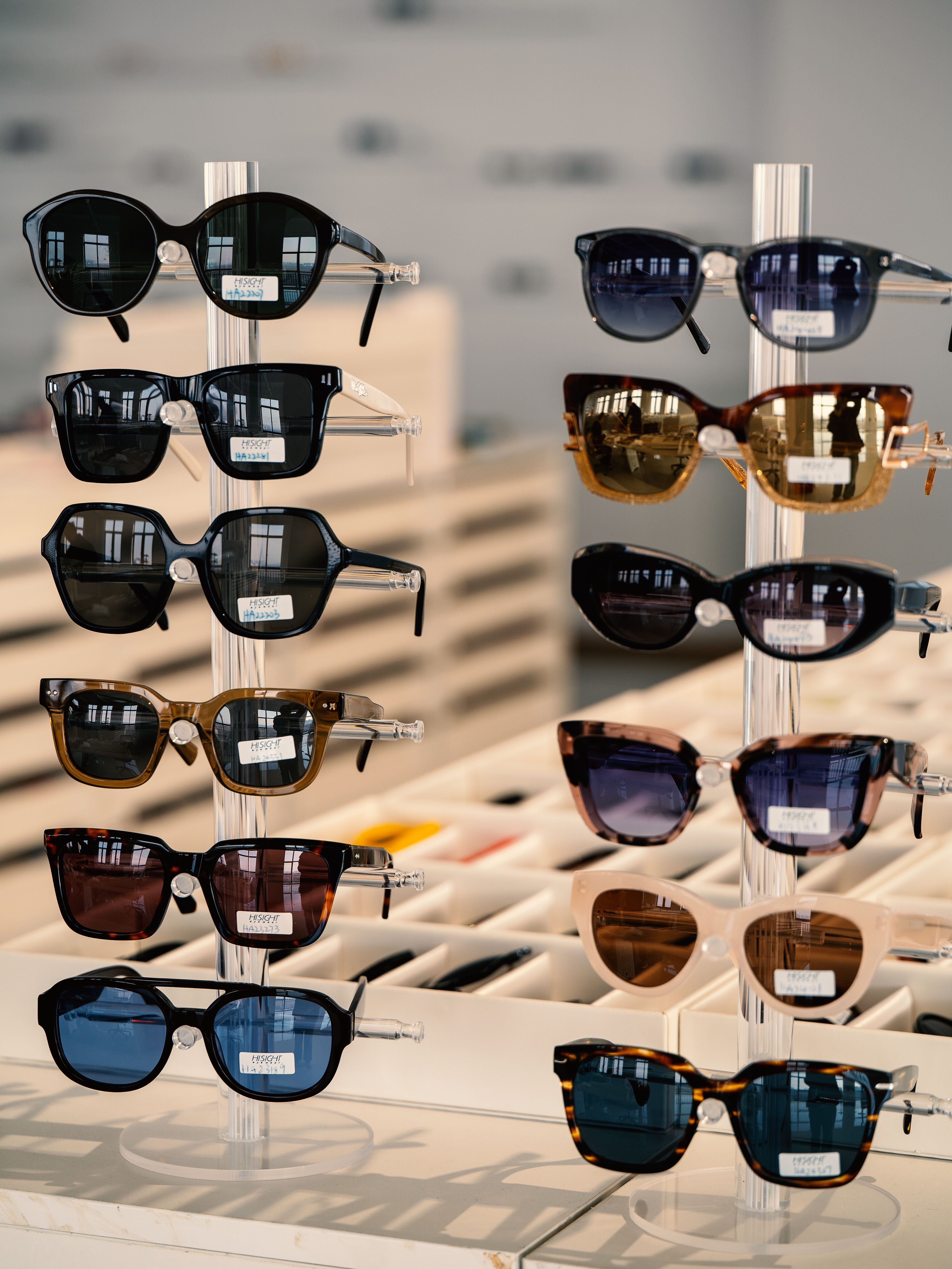
A professional sunglasses vendor must document every material component, manufacturing process, quality test, and certification. This article outlines the critical documentation categories that distinguish reputable eyewear sourcing partners from unreliable suppliers. Understanding these requirements helps you evaluate potential partners, negotiate better terms, and build a compliant, efficient supply chain.
Material Composition and Component Specifications
Frame Material Documentation
Every sunglasses supplier must provide detailed specifications for frame materials, including polymer type, metal alloy composition, and finish treatment. For acetate frames, this includes resin source, color additives, and thickness tolerances. For metal frames, documentation should specify alloy percentages, plating thickness, and surface treatment methods such as electroplating or anodizing. This material documentation protects buyers from substandard materials that compromise durability or trigger allergic reactions. The sunglasses vendor should supply certificates of analysis (COA) from material suppliers, confirming purity and composition compliance with industry standards.
Lens Material and Coating Specifications
Lens documentation represents one of the most critical areas of eyewear sourcing. Buyers need detailed specifications for lens base material, whether polycarbonate, CR-39, trivex, or glass. Each material has different optical properties, impact resistance, and price points. Beyond base material, the sunglasses supplier must document all coatings applied: anti-reflective, UV protection, polarization, hydrophobic, oleophobic, and anti-scratch layers. Each coating adds cost and requires separate quality verification. The sunglasses vendor should provide lens transmission curves, UV protection test results, and impact resistance certifications such as ANSI Z80.3 compliance. Buyers must confirm that coatings meet performance claims and remain stable through heat, humidity, and environmental stress testing.
Quality Control Documentation and Testing Records
Manufacturing Process Control
Reputable sunglasses vendor operations maintain strict process documentation covering material injection molding, frame assembly, lens cutting and coating, and final assembly. This includes machine calibration records, temperature and pressure settings for production steps, and batch tracking logs. Quality control documentation should show in-process inspection points, rejection rates by defect type, and corrective action records when failures occur. When evaluating eyewear sourcing options, request copies of standard operating procedures (SOPs) and recent production batch records. This transparency reveals whether the sunglasses supplier operates under controlled conditions or relies on inconsistent, undocumented processes that increase defect risk.
Physical and Performance Testing
A sunglasses wholesale supplier must conduct and document comprehensive testing before releasing products. This includes dimensional verification tests confirming frame width, bridge width, temple length, and lens diameter match design specifications. Impact resistance testing verifies that frames and lenses withstand accidental drops and collisions. UV protection testing confirms that lenses block 99 to 100 percent of UVA and UVB radiation as claimed. Durability testing includes salt-spray corrosion tests for metal components, accelerated aging tests for coatings, and flexing tests for hinges and frame joints. Chemical resistance testing ensures that materials and finishes withstand sweat, sunscreen, and cleaning products without degradation. Eyewear sourcing professionals should request independent test reports from accredited laboratories, not just internal test data from the supplier.
Regulatory Compliance and Certification Records
International Standards and Certifications
Eyewear sourcing regulations vary by destination market, and a professional sunglasses vendor must maintain documentation proving compliance with applicable standards. ANSI Z80.3 covers optical properties and impact resistance for sunglasses sold in North America. European EN ISO 12312 establishes similar requirements for the EU market. FDA regulations apply if products are classified as medical devices or make health claims. The sunglasses supplier should provide certification documents, test reports, and declarations of conformity for each applicable standard. Beyond optical standards, materials and dyes must comply with REACH, California Proposition 65, and heavy metals restrictions in various regions. Chemical testing reports confirming lead-free paint, cadmium-free plating, and restricted substance compliance are essential elements of sunglasses wholesale documentation.
Safety and Labeling Compliance
Your sunglasses vendor must document label compliance, including proper UV protection claims, hazard warnings for polarized lenses or specialized coatings, and correct country-of-origin marking. Documentation should show how labels are applied, verified, and inspected before shipment. Many countries restrict marking claims, and misrepresentation creates liability and customs delays. The sunglasses supplier must maintain records proving that all claims on labels are supported by test data and that no false or exaggerated statements appear. Traceability documentation linking specific production batches to quality records and test results enables rapid recalls if safety issues arise. Professional eyewear sourcing demands that suppliers maintain this documentation systematically and provide it on request.
Supply Chain Transparency and Traceability
Material Source and Chain of Custody
Transparency in eyewear sourcing extends beyond the sunglasses supplier's factory to their material suppliers. Buyers should request documentation showing where frame plastics, metals, lenses, and coatings originate. This protects against conflict minerals, forced labor, and environmental violations that could trigger regulatory penalties or reputational damage. A responsible sunglasses vendor maintains agreements with material suppliers requiring their own compliance documentation. Batch traceability records link finished products to specific material lots, enabling targeted recalls and investigation of defect sources. Buyers conducting supply chain audits should request supplier lists, audit reports, and conflict minerals declarations from the sunglasses wholesale provider.
Documentation Retention and Accessibility
A professional sunglasses supplier maintains organized, accessible documentation systems that support customer inquiries, regulatory inspections, and recall management. Documentation should be retained for periods specified by customer contracts and applicable regulations, typically 3 to 7 years for eyewear products. Digital systems with version control, audit trails, and secure backup ensure that records remain available and unaltered. When evaluating eyewear sourcing partners, assess their documentation management capabilities. Poor record-keeping indicates operational immaturity and creates risk if problems arise. Request samples of documentation formats, confirm storage methods, and verify how quickly the sunglasses vendor can retrieve records for specific production dates or batch numbers.
FAQ
What documentation must a sunglasses vendor provide before production begins?
A professional sunglasses supplier should provide approved artwork, material specifications, color samples, fit specifications, and quality standards before production begins. This includes detailed material data sheets, lens specifications, frame dimensions, and testing plans. Eyewear sourcing professionals should review these documents to confirm alignment with your brand requirements and regulatory obligations before authorizing full-scale production.
How can buyers verify that a sunglasses wholesale supplier maintains accurate documentation?
Request audit rights in your supply agreement and conduct on-site quality inspections of documentation systems. Ask the sunglasses vendor for copies of recent test reports, batch records, and certification documents. Verify that test data is from accredited third-party laboratories and that all claims are supported by actual test results. Checking documentation consistency across multiple shipment samples reveals whether the sunglasses supplier operates systematically or cuts corners.
What risks occur when eyewear sourcing partners fail to provide complete material documentation?
Missing documentation creates exposure to regulatory violations, product liability claims, and supply chain disruptions. Without material traceability, you cannot quickly respond to quality issues or safety recalls. Undocumented compliance gaps can trigger customs seizures, fines, or product bans in target markets. Choosing a sunglasses vendor who provides comprehensive documentation protects your business and builds customer trust through transparent, compliant products.



