
 EN
UV and Impact Testing Methods at a Sunglasses Manufacturer: Key Differences and Selection Factors
Understand core differences, regulatory requirements, and smart selection factors for global compliance. Get your testing strategy right.
UV and impact testing represent two critical quality assurance methodologies that every professional sunglasses manufacturer must implement to ensure product durability, safety, and regulatory compliance. These testing protocols address distinct aspects of eyewear performance, yet many manufacturers struggle to understand when each method applies and how they work together within a comprehensive quality control framework. A sunglasses factory that masters both testing disciplines gains competitive advantage in global markets where consumer expectations and regulatory standards continue to tighten. This guide explores the fundamental differences between UV and impact testing, their practical applications, and the selection factors that help manufacturers choose the right testing approach for their specific product lines and market segments.
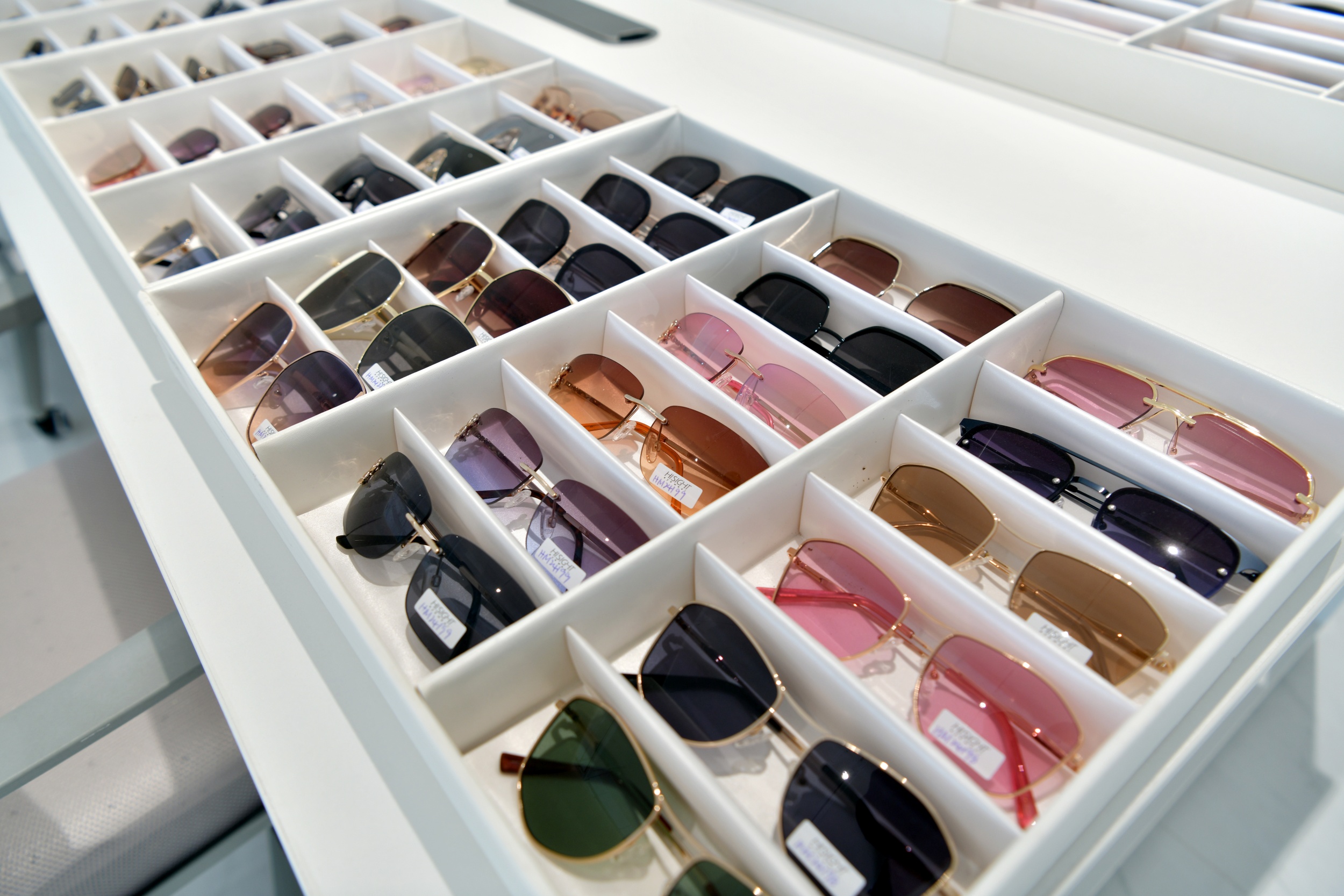
Understanding these testing methods requires clarity on their distinct objectives and technical specifications. A sunwear oem factory must recognize that UV testing focuses on the optical properties and ultraviolet light transmission characteristics, while impact testing evaluates mechanical resilience and safety under physical stress. Neither test replaces the other, and both remain essential components of a robust quality management system that protects consumers and protects your brand reputation in an increasingly regulated marketplace.
Understanding UV Testing in Sunglasses Manufacturing
Core Principles and Measurement Standards
UV testing measures how effectively sunglasses block ultraviolet radiation across specific wavelength ranges, primarily UVA and UVB spectra. The sunglasses factory employs specialized spectrophotometers to measure light transmittance at wavelengths between 280 and 400 nanometers. Standards such as ISO 12312-1 and ANSI Z80.3 establish baseline requirements that classify eyewear protection levels. UV testing ensures that marketed protection claims meet regulatory standards in major markets including North America, Europe, and Asia. The test does not involve physical stress or mechanical force, making it a purely optical evaluation that determines whether the lens material and any applied coatings effectively absorb or block harmful solar radiation.
Application Scenarios and Regulatory Context
Every sunglasses manufacturer facing export markets must recognize that UV protection claims demand documented test results. Different regions enforce varying compliance standards, with the European Union requiring CE marking backed by ISO 12312-1 certification, while the United States relies on FDA guidance aligned with ANSI standards. UV testing becomes especially critical when marketing premium or specialized products like aviation eyewear, sports sunglasses, or children's sunwear. A sunglasses factory cannot make UV protection claims without third-party testing results, as regulatory bodies actively monitor misleading marketing language. Testing frequency depends on batch size and production consistency, but annual verification is industry standard practice.
Impact Testing Methods and Safety Requirements
High-Velocity Impact Resistance Standards
Impact testing evaluates whether eyewear can withstand sudden physical force without shattering or creating dangerous fragments. The sunwear oem factory uses specialized testing equipment that fires steel balls or projectiles at lens and frame assemblies at predetermined velocities, typically ranging from 40 to 130 miles per hour depending on the test standard. Standards like ANSI Z87.1 and ISO 12312-2 define impact thresholds and failure criteria that ensure eyewear protects the wearer from injury. Unlike UV testing, impact evaluation is purely mechanical and involves no optical measurements. A lens passes impact testing when it either withstands the strike without fracture or breaks into safe fragments rather than dangerous shards.
Testing Equipment and Procedure Variations
The sunglasses manufacturer must understand that different impact testing protocols serve different purposes and market segments. High-mass projectile testing uses steel balls weighing up to 50 grams dropped from specific heights, while high-velocity testing uses lighter projectiles accelerated to very high speeds. Polycarbonate lenses typically achieve higher impact ratings than standard plastic materials, making material selection a critical factor before testing. The sunglasses factory typically conducts impact testing on finished products rather than raw lens material, as frame integrity and lens mounting directly influence overall performance. Testing is destructive, meaning sample units are destroyed during evaluation, so manufacturers must build testing costs into their quality control budgets.
Selection Factors and Implementation Strategy
Regulatory Requirements by Market Segment
A sunglasses manufacturer must first determine which regulatory frameworks apply to their target markets and product categories. Fashion sunglasses marketed as general-purpose eyewear may only require UV testing documentation in some regions, while sports or occupational eyewear typically demands both UV and impact certifications. The sunwear oem factory serving industrial clients faces stricter requirements than producers serving purely consumer markets. Prescription sunglasses and high-powered magnification eyewear encounter additional optical standards beyond basic UV and impact tests. Researching market entry requirements before design and manufacturing prevents costly product reformulation and testing delays.
Cost-Benefit Analysis and Testing Frequency
A sunglasses factory must balance testing expenses against market access requirements and product positioning strategy. UV testing typically costs less than impact evaluation and uses non-destructive methodology, allowing ongoing verification of production batches. Impact testing requires sacrificing sample units and demands investment in specialized testing facilities or relationships with certified laboratories. The sunglasses manufacturer should establish baseline testing during initial product development, then implement periodic verification testing tied to production batch schedules and material or supplier changes. Volume manufacturers often maintain in-house testing capability to reduce per-unit costs and accelerate decision-making during quality disputes.
FAQ
Can sunglasses pass UV testing but fail impact requirements?
Yes, absolutely. A sunglasses manufacturer can produce lenses that effectively block ultraviolet radiation while using brittle materials that shatter under impact. These are completely independent physical properties evaluated by separate testing methods. Fashion eyewear marketed as UV-protective but not impact-resistant can legally meet UV standards while failing impact thresholds. However, selling impact-vulnerable eyewear marketed as safety eyewear violates regulations, so the sunwear oem factory must clearly distinguish product categories and communicate appropriate use cases.
How often should a sunglasses factory retest products for UV and impact compliance?
The sunglasses manufacturer should conduct baseline testing during product development and certification phases. For UV testing, annual batch verification is standard practice, though more frequent testing occurs when material suppliers change or formulations are modified. Impact testing typically occurs once during product certification since the evaluation is destructive and mechanical resilience of standardized materials remains stable. A sunglasses factory using continuous production runs should implement sampling-based verification every quarter or after major production adjustments to ensure consistent quality.
What certifications should a sunglasses manufacturer pursue for global market access?
The sunwear oem factory serving international markets should prioritize ISO 12312-1 for UV protection and ISO 12312-2 for impact resistance, as these standards achieve recognition across most developed markets. United States manufacturers need ANSI Z87.1 certification for occupational eyewear and ANSI Z80.3 for general-purpose sunglasses. European Union market access requires CE marking under the Personal Protective Equipment Regulation, which typically involves ISO 12312 compliance. A sunglasses manufacturer can also pursue specific regional certifications for China, Japan, or other major markets based on business strategy and product focus.



