
 EN
Why Sunglasses Manufacturer Lead Times Differ: Causes and Prevention in Manufacturing
Discover root causes—from material sourcing to quality control—and proven prevention strategies. Optimize your procurement today.
Lead times in eyewear production represent one of the most critical variables affecting supply chain efficiency and customer satisfaction. When you work with a sunglasses manufacturer, understanding why production schedules vary dramatically can mean the difference between meeting market demand and facing inventory shortages. Lead time variation stems from multiple interconnected factors—material sourcing challenges, production capacity constraints, quality control procedures, and demand volatility all contribute to unpredictable delays. Recognizing these drivers allows procurement teams to negotiate realistic timelines, build appropriate safety stock, and develop contingency strategies that protect business continuity.
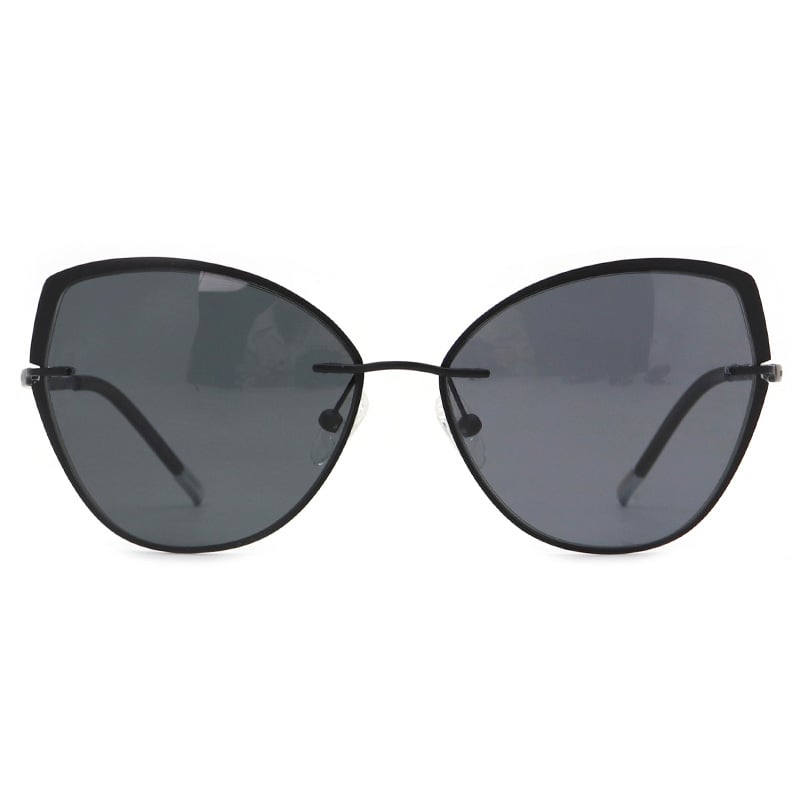
Manufacturing timelines for eyewear depend heavily on a sunglasses factory's operational structure, raw material availability, and order complexity. A sunglasses factory must balance multiple competing priorities—maintaining consistent quality standards, managing labor schedules, securing component availability, and fulfilling seasonal demand surges. Lead time variation is not random; it follows predictable patterns tied to production workflows, supplier reliability, and inventory management practices. Understanding these patterns empowers buyers to make informed sourcing decisions and establish partnerships with manufacturers capable of meeting specific timeline requirements.
Material Sourcing and Supply Chain Complexity
Raw Material Availability and Lead Times
Raw material sourcing represents the primary driver of production delays at any sunwear oem factory. Lenses, frames, hinges, screws, and coatings originate from multiple suppliers, often across different geographic regions. When a sunglasses factory sources polycarbonate lenses from Asia, acetate stock from Europe, and specialized lens coatings from specialized chemical suppliers, any delay upstream cascades through production. Lead times for base materials range from four to eight weeks depending on supplier location, order volume, and current capacity constraints. Rare material specifications or custom pigments require even longer procurement windows. A sunwear oem factory cannot accelerate production beyond the availability of its critical path materials, making supplier relationship management essential for meeting promised delivery dates.
Component Sourcing Challenges
Finished eyewear requires hundreds of individual components, each with independent sourcing timelines. Titanium temples, stainless steel hinges, nose pads, and specialized screws must arrive in synchronized fashion to enable assembly operations. If a sunglasses manufacturer orders components from eight different suppliers, the final delivery date reflects the slowest supplier's timeline. Supply chain disruptions—port congestion, customs delays, production equipment failures at component suppliers—introduce unpredictability. A sunglasses factory with strong supplier diversification can mitigate single-source delays, but this strategy increases operational complexity. Factories that consolidate sourcing to fewer, larger suppliers achieve better coordination but accept higher vulnerability to disruption. This strategic choice fundamentally shapes achievable lead times.
Production Capacity and Scheduling Constraints
Manufacturing Bottlenecks and Seasonal Demand
Production capacity utilization directly influences manufacturing timelines at a sunglasses factory. Assembly operations, lens cutting, frame assembly, quality inspection, and packaging all occur in sequence, and each stage has physical capacity limits. During peak seasons—spring and summer months when demand peaks—a sunwear oem factory operates near maximum capacity, extending lead times to six to twelve weeks. Off-season periods allow shorter turnaround, sometimes as low as two to three weeks. The sunglasses manufacturer must choose whether to maintain excess capacity for seasonal flexibility or optimize efficiency through lower constant utilization. This fundamental trade-off between responsiveness and cost structure shapes the range of achievable lead times. Orders arriving during high-demand periods face queue delays before production even begins.
Equipment Setup and Production Efficiency
Setup times and changeover procedures materially impact sunglasses factory production schedules. Transitioning assembly lines between different frame styles, lens specifications, or color options requires equipment recalibration, material staging, and quality verification. Custom orders or small batch sizes increase per-unit setup cost and time relative to long production runs. A sunglasses manufacturer producing standard styles in high volume achieves faster turnaround than one handling diverse custom specifications. The complexity of your order—color variations, lens types, temple styles, packaging requirements—directly influences where your production job sits in the factory's schedule. Simplified, standardized orders move through a sunwear oem factory faster because they require minimal setup complexity and integrate easily with existing production workflows.
Quality Control and Testing Requirements
Inspection Protocols and Rework Cycles
Rigorous quality control procedures, while essential for product integrity, extend manufacturing timelines. A professional sunglasses factory implements multiple inspection stages—incoming material verification, in-process quality checks during assembly, and final product testing before packaging. Lens optical properties must meet prescription accuracy standards, frame dimensions must fall within tolerance ranges, and material durability must withstand environmental stress testing. When quality issues emerge—misaligned lenses, frame coating defects, structural weaknesses—the sunglasses manufacturer must remove affected units, identify root causes, implement corrections, and re-test. Rework cycles add days or weeks to overall lead times. A sunwear oem factory with mature quality systems and stable supplier relationships encounters fewer quality failures and delivers faster. Conversely, new sunglasses manufacturer facilities or those with inconsistent supplier quality experience extended timelines due to rework and remediation activities.
Standards Compliance and Certification
Eyewear products must meet safety and performance standards varying by destination market. UV protection standards, impact resistance requirements, and lens material specifications differ between North America, Europe, and Asia. A sunglasses factory producing for multiple markets must conduct separate testing and certification protocols, extending lead times. Polarized lens verification, anti-reflective coating verification, and material composition documentation require laboratory testing that cannot be expedited. When a sunglasses manufacturer receives an order with specific regulatory requirements—such as European CE marking or FDA compliance for medical-grade eyewear—production cannot complete until testing concludes. These compliance requirements represent non-negotiable lead time components that savvy buyers must anticipate when establishing delivery expectations.
FAQ
Why do sunglasses factory lead times range so widely from one manufacturer to another?
Lead time variation between sunwear oem factories reflects fundamental differences in production strategy, capacity utilization, supplier network strength, and quality standards. A sunglasses manufacturer with established supplier relationships, optimized production workflows, and excess capacity delivers faster than one managing constrained resources or unreliable sourcing. Some factories prioritize speed through streamlined processes and premium supplier relationships, accepting higher costs. Others optimize for cost efficiency, resulting in longer lead times. Understanding your potential supplier's capacity position, current order backlog, and supplier network strength helps predict realistic lead times before signing agreements.
How can buyers negotiate faster lead times without sacrificing quality?
Faster lead times without quality compromise require strategic order practices. Work with your sunglasses manufacturer to standardize specifications, allowing production to batch similar orders for manufacturing efficiency. Commit to larger order volumes, which reduces per-unit setup time at the sunwear oem factory. Provide longer lead times for custom specifications while requesting expedited timelines for catalog items. Establish clear specifications upfront to minimize quality rework. Build safety stock during off-peak seasons when a sunglasses factory can deliver shorter lead times at lower cost. The key is aligning your ordering patterns with the sunglasses manufacturer's operational constraints rather than expecting inconsistent timelines across different order scenarios.
What role does supplier diversification play in sunglasses factory lead times?
Supplier diversification significantly impacts a sunglasses factory's ability to maintain consistent lead times. When a sunwear oem factory sources lenses from multiple lens suppliers, frames from competing frame suppliers, and components from backup providers, single-source disruptions do not halt production. This resilience enables more predictable lead times even when upstream supply chain friction occurs. However, managing multiple suppliers increases complexity, requires larger inventory buffers, and may increase product costs. A sunglasses manufacturer must balance diversification benefits against operational complexity and cost structure. Some buyers share this burden by maintaining multiple supplier relationships themselves, reducing dependency on any single sunglasses factory's mitigation strategies.



