
 EN
Building Reliable Audits With an Eyewear Manufacturer: Practical Quality Control Steps
This practical guide reveals 7 proven QC steps to build reliable audits with your OEM factory—boost compliance & cut defects. Download now.
Building reliable audits with an eyewear manufacturer requires a structured approach to quality control that protects your supply chain and ensures consistent product standards. Whether you source from a glasses factory domestically or internationally, implementing systematic audit procedures prevents costly defects, delays, and supply disruptions. An eyewear oem factory produces thousands of frames monthly, making transparent quality verification essential to your business success.
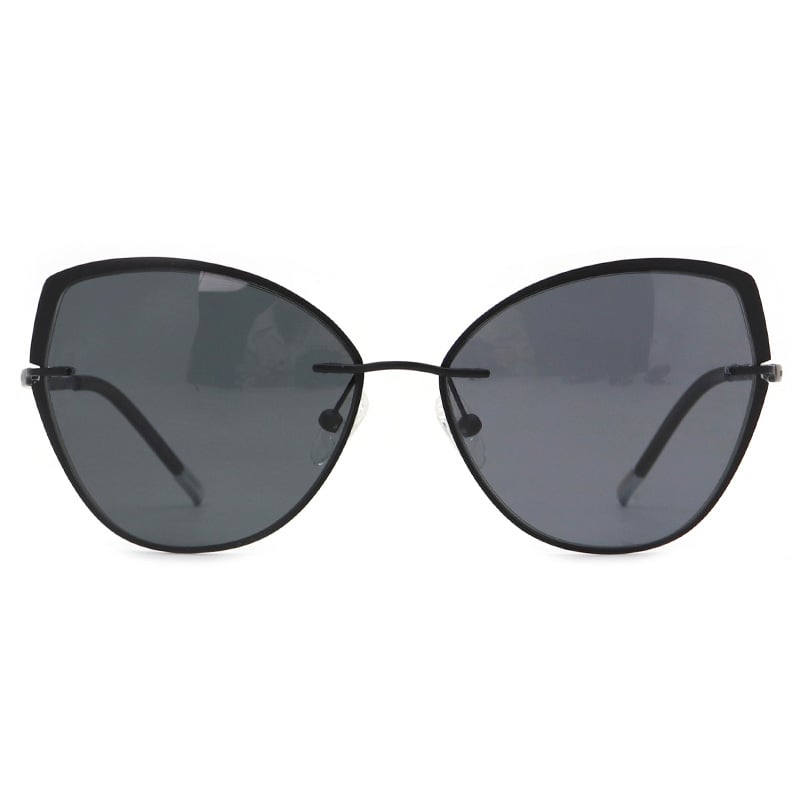
The foundation of any successful audit program begins with clear documentation, standardized testing protocols, and open communication channels between your team and the optical frame manufacturer. Quality control steps must address material specifications, dimensional accuracy, surface finish, assembly integrity, and packaging standards before products reach your warehouse. This practical guide walks you through the essential audit components that transform theory into measurable outcomes and sustainable partnerships.
Establishing Pre-Production Quality Standards
Define Specifications and Material Requirements
Before production begins, your glasses factory must receive detailed specifications covering frame dimensions, material composition, weight tolerances, and color accuracy. An eyewear manufacturer needs written technical drawings with tolerance ranges for bridge width, temple length, lens hole diameters, and hinge specifications. Material certifications from the optical frame manufacturer should verify that acetate, titanium, metal alloys, or composite materials meet your stated requirements and industry safety standards.
Create a specification matrix that your eyewear oem factory acknowledges in writing before tooling begins. This document becomes your audit reference point and reduces disputes over conformance. Specifications must include acceptable defect rates, finish requirements such as gloss or matte, and surface quality standards like scratches or blemishes. Clear baselines prevent misunderstandings and align your glasses factory partner with your quality expectations from day one.
Establish Sample Approval Processes
Request initial production samples from the eyewear manufacturer before full manufacturing runs commence. Your optical frame manufacturer should provide first-article inspection reports that document dimensional measurements, material certifications, and photographic evidence of finish quality. Sample approval is non-negotiable for an eyewear oem factory because it catches tooling errors, color mismatches, or material issues before thousands of units are produced.
Maintain signed documentation showing your approval of samples and acknowledgment of specifications. This creates accountability and serves as evidence during future audits. A glasses factory that resists sample approval or delays the process signals potential quality concerns. Request samples from multiple production batches rather than just initial runs to ensure consistency across your manufacturing window.
Implementing In-Process Audit Procedures
Schedule Announced and Unannounced Factory Visits
Regular factory visits to your eyewear manufacturer provide visibility into daily production practices, worker training, equipment maintenance, and quality management systems. An eyewear oem factory with strong internal controls welcomes both announced and unannounced audits because transparency demonstrates confidence in their processes. Announced visits allow the optical frame manufacturer to prepare documentation and schedule management availability; unannounced visits reveal actual day-to-day operations without preparation.
During each visit, observe equipment calibration records, inspect in-process inspection checkpoints, and verify that workers follow documented procedures. A glasses factory audit should include conversations with production supervisors and quality inspectors to understand their decision-making and problem-solving approaches. Document equipment serial numbers, calibration expiration dates, and maintenance schedules. These details demonstrate whether the eyewear manufacturer invests in proper equipment and preventive maintenance or relies on reactive repairs.
Verify Statistical Process Control Methods
Request statistical process control (SPC) data from your eyewear oem factory to verify that production remains within acceptable variation limits. An eyewear manufacturer using SPC monitors dimensions, colors, and quality metrics across production runs and adjusts processes when drift occurs. Review control charts, capability indices (Cpk), and any corrective actions taken when processes approached control limits. This data reveals whether the glasses factory manages quality proactively or discovers problems only during final inspection.
Your optical frame manufacturer should maintain SPC records for at least three to six months of recent production data. This timeline shows trends, identifies recurring issues, and demonstrates continuous improvement efforts. A glasses factory that cannot produce SPC documentation may lack the systems necessary to ensure consistent quality across your entire order volume.
Conducting Final Inspection and Testing Audits
Review Sampling Plans and Inspection Procedures
The eyewear manufacturer's final inspection department must follow a documented sampling plan that determines how many units are inspected from each production lot. An eyewear oem factory should use statistically valid sampling levels based on lot sizes and acceptable quality levels (AQL). Request inspection checklists, measurement records, and photographic documentation of rejected units from your optical frame manufacturer to verify thoroughness.
Verify that your glasses factory inspector training is current and that personnel conducting inspections possess calibration skills for measuring tools. Inspect the measuring equipment itself—ensure micrometers, gauges, and color-matching instruments are calibrated and traceable to national standards. An eyewear manufacturer lacking proper calibration practices produces unreliable inspection results, allowing defects to slip through to your warehouse.
Validate Defect Categories and Rejection Criteria
Work with the eyewear oem factory to establish a shared understanding of what constitutes acceptable versus defective units. Your optical frame manufacturer should maintain physical reference samples showing acceptable scratches, color variation tolerances, and assembly quality boundaries. These reference standards prevent subjective judgment from inflating or deflating defect rates in your glasses factory audits.
Conduct side-by-side inspection testing where your auditor and the eyewear manufacturer's inspector evaluate identical units and compare decisions. When disagreement occurs, discuss the reasons and adjust training or standards accordingly. This validation process builds transparency and ensures the optical frame manufacturer's internal inspection aligns with your quality expectations. Document these comparison results in your audit records to establish a pattern of accuracy or drift over time.
FAQ
What is the optimal frequency for auditing an eyewear manufacturer?
Most businesses conduct announced audits of an eyewear oem factory quarterly or semi-annually, depending on order volume and historical performance. New suppliers or those with quality issues warrant monthly audits; established glasses factory partners with consistent performance may move to annual audits. Unannounced audits should occur at least once yearly to verify that practices remain consistent without preparation. The eyewear manufacturer's lead time, defect history, and criticality to your supply chain determine the optimal audit schedule for your operation.
How should findings from an eyewear manufacturer audit be documented?
Create a formal audit report for every glasses factory visit that documents observed strengths, areas for improvement, corrective action requests, and follow-up dates. Your optical frame manufacturer must respond within a specified timeframe—typically 15 to 30 days—with a corrective action plan for any non-conformances. Include photographs, measurement data, and quotes from conversations to support your findings. An eyewear manufacturer audit trail demonstrates due diligence and provides evidence if quality disputes arise later.
What red flags indicate a problem with an eyewear manufacturer?
Warning signs at your glasses factory include reluctance to undergo audits, inability to produce calibration records for measuring equipment, high rejection rates during final inspection, or worker turnover suggesting labor issues. An eyewear oem factory that cannot explain rejected units or lacks root cause analysis documentation may not possess adequate quality systems. If your optical frame manufacturer blames defects on customer specifications rather than examining internal processes, that defensive attitude indicates limited quality culture. Repeated defects in the same area despite corrective actions suggest either inadequate process understanding or insufficient commitment to improvement.



