
 EN
Single-Base vs Dual-Base Production in Eyewear Manufacturing: Key Differences for Buyers
Confused about single-base vs dual-base eyewear manufacturing? Discover how lens blank strategy impacts quality, cost & lead times. Make smarter OEM partner decisions now.
Choosing between single-base and dual-base production methods represents one of the most critical decisions for buyers working with an eyewear manufacturer. These two production approaches fundamentally differ in how they manage lens-to-frame integration, quality consistency, and manufacturing workflows. Understanding these differences directly impacts your supply chain efficiency, product quality, and long-term manufacturing partnership success. Whether you are sourcing from a glasses factory for the first time or optimizing an existing relationship with an eyewear OEM factory, clarity on these production philosophies will guide smarter purchasing decisions.
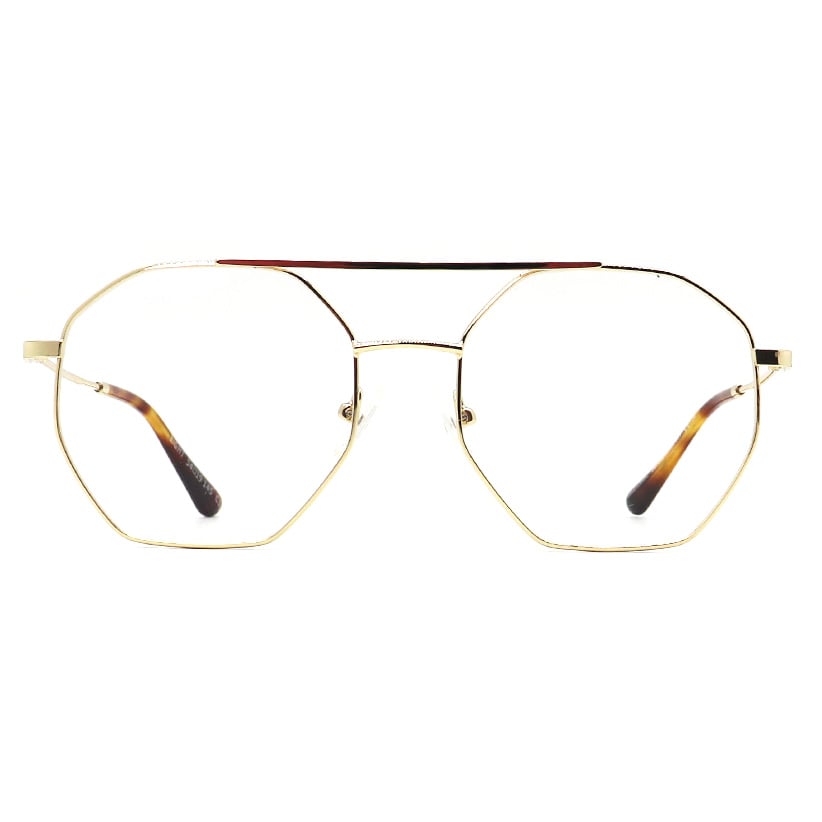
Single-base and dual-base production differ in lens blank usage, manufacturing precision, and cost implications. A single-base system uses one standardized lens blank for multiple frame sizes and lens prescriptions, while dual-base production maintains separate lens blanks optimized for different frame geometries. This distinction affects not only how an optical frame manufacturer structures its production but also impacts inventory management, defect rates, and final product performance.
Understanding Single-Base Production Systems
Definition and Core Process
Single-base production relies on one universal lens blank shape applied across a range of frame sizes and designs. An eyewear manufacturer using this method stocks fewer lens variations, simplifying inventory and reducing raw material complexity. The optical frame manufacturer cuts and adapts this single blank to fit various frame geometries through precision edging and fitting techniques. This approach centralizes production logic around lens standardization rather than frame customization.
Efficiency and Cost Advantages
A glasses factory implementing single-base systems achieves significant cost reductions through lower inventory holding costs and simplified procurement. Fewer lens blank SKUs mean reduced storage space, shorter lead times for reordering, and lower risk of obsolete stock. An eyewear OEM factory can negotiate better pricing with lens suppliers by committing to high-volume single-blank purchases. Production workflows become leaner because technicians work with standardized lens material, reducing training complexity and setup time between production runs.
Quality and Performance Considerations
Despite cost benefits, single-base systems introduce optical performance trade-offs. Using one lens blank across different frame widths may result in off-center optical axes for certain frame sizes, potentially compromising visual clarity. An optical frame manufacturer must invest heavily in precision edging technology to minimize these deviations. Quality consistency depends on strict process controls; any deviation in cutting, positioning, or material handling cascades across all products using that single blank.
Exploring Dual-Base Production Systems
Architecture and Implementation
Dual-base production maintains two distinct lens blanks, typically one for smaller frames and another for larger frames, each optimized for its respective size range. An eyewear manufacturer adopting this model invests in lens blank diversity to match frame geometries more precisely. The optical frame manufacturer aligns lens optical centers more accurately with frame dimensions, reducing the need for aggressive edging corrections. This method requires more sophisticated demand forecasting and inventory management but delivers superior optical alignment.
Quality and Optical Performance Benefits
The primary advantage of dual-base systems centers on optical quality consistency. An eyewear OEM factory using dual-base production achieves better optical axis alignment because each lens blank is engineered for its specific frame size range. This reduces the visual distortion that can occur with single-base systems when lenses are cut far from their geometric center. Customers experience clearer vision, fewer complaints about visual discomfort, and greater satisfaction with the final eyewear product. A glasses factory prioritizing optical excellence over raw cost minimization typically adopts dual-base methodology.
Inventory and Supply Chain Complexity
Dual-base production demands more sophisticated inventory planning because an eyewear manufacturer must maintain two lens blank types with separate demand forecasts. An optical frame manufacturer must carefully monitor consumption patterns for each base to avoid stockouts or excess inventory. Lead times extend slightly because lens suppliers need adequate notice for both blank types. The glasses factory must also invest in staff training on managing two distinct production workflows and quality verification protocols.
Strategic Implications for Buyers
Aligning Production Choice with Business Goals
When selecting an eyewear manufacturer, your choice between single-base and dual-base production should reflect your market positioning and customer expectations. A budget-oriented eyewear OEM factory emphasizing cost leadership typically leverages single-base systems to minimize production expenses. Conversely, a premium optical frame manufacturer targeting health-conscious consumers or clinical markets adopts dual-base production to guarantee optical accuracy. A glasses factory serving both segments may operate hybrid approaches, using single-base for price-sensitive product lines and dual-base for performance-critical collections.
Evaluating Eyewear Manufacturer Capabilities
Assess how your eyewear manufacturer describes its production architecture during vendor evaluation. Ask specific questions about lens blank sourcing, quality testing protocols, and optical axis verification methods. An eyewear OEM factory should transparently discuss whether they use single-base or dual-base systems and justify their choice based on your product specifications. Request sample batches produced using their chosen method and conduct independent optical testing to verify quality claims. The optical frame manufacturer's production flexibility and willingness to discuss trade-offs indicate their technical maturity and customer partnership commitment.
Cost and Timeline Expectations
Single-base production typically enables faster turnaround times and lower per-unit costs, making it suitable for large-volume, price-sensitive orders. Dual-base production extends lead times slightly due to inventory coordination but justifies premium pricing through superior optical performance. When negotiating with a glasses factory, clarify production method implications for your specific order volume, timeline, and quality requirements. Request detailed cost breakdowns showing how lens blank selection affects your landed costs.
FAQ
What is the primary difference between single-base and dual-base eyewear manufacturing?
Single-base production uses one standardized lens blank adapted to multiple frame sizes, while dual-base production maintains separate lens blanks optimized for different frame geometries. A eyewear manufacturer chooses single-base for cost efficiency and dual-base for optical accuracy. The choice directly impacts inventory complexity, production timelines, and final product optical quality.
Which production method should I choose for my eyewear order?
Your choice depends on your market positioning and customer expectations. If cost minimization and fast delivery are priorities, single-base production through a glasses factory is appropriate. If optical quality and customer satisfaction drive your business model, select an eyewear OEM factory using dual-base production. Mid-volume buyers often negotiate hybrid approaches, combining single-base for standard products and dual-base for premium lines.
How do single-base and dual-base systems affect optical frame manufacturer quality consistency?
Dual-base systems generally deliver more consistent optical performance because each lens blank aligns better with its designated frame size range. An optical frame manufacturer using single-base systems must invest in superior edging precision to compensate for off-center optical axes. Quality consistency ultimately depends on the glasses factory's manufacturing discipline, equipment calibration, and testing rigor, regardless of production method chosen.



