
 EN
Eyewear Manufacturer vs Trading Company: Key Differences for Buyers
Discover critical differences in quality, cost, customization & lead times between manufacturers and trading companies.
When sourcing eyewear for your business, the choice between partnering with an eyewear manufacturer and a trading company fundamentally shapes your supply chain, costs, and product quality. An eyewear manufacturer produces frames and lenses directly in-house, while trading companies act as intermediaries, purchasing inventory from multiple suppliers and reselling to retailers and wholesalers. Understanding these distinctions is critical for making informed procurement decisions that align with your business goals, budget constraints, and quality standards.
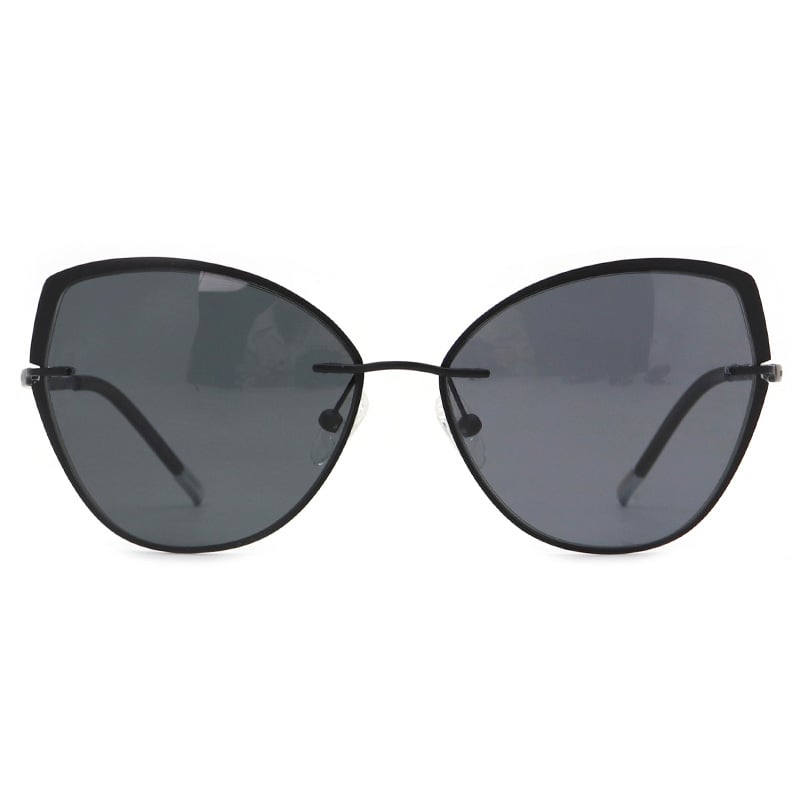
The decision to work directly with a glasses factory versus a middleman trading entity carries substantial implications for pricing, customization capabilities, lead times, and quality assurance. Buyers who understand these differences gain a competitive advantage in selecting the right supplier partner. This guide explores the core distinctions, advantages, and trade-offs of each sourcing model so you can make the best choice for your eyewear business.
Direct Production vs Inventory Resale Models
How Eyewear Manufacturers Operate
An eyewear oem factory maintains production facilities where frames are designed, manufactured, and quality-tested in-house. When you partner with a glasses factory, you gain direct access to production capabilities, tooling expertise, and design flexibility. The eyewear manufacturer controls every stage of the manufacturing process, from material sourcing and injection molding to assembly, polishing, and packaging. This vertical integration means the manufacturer absorbs production costs and assumes responsibility for output quality and timeline management.
Eyewear manufacturers typically work with bulk orders and longer production timelines, but they offer significant customization options. If you need custom frame designs, proprietary colors, or specialized materials, an optical frame manufacturer can develop tools and prototypes specifically for your product line. Many manufacturers also hold certifications and conduct rigorous quality control testing to ensure frames meet international standards and customer expectations.
How Trading Companies Function
Trading companies operate as distributors, purchasing finished eyewear products from multiple glasses factory suppliers and then reselling these items to retailers and e-commerce platforms. A trading company maintains warehouses of pre-manufactured inventory sourced from various manufacturers worldwide. They focus on logistics, warehousing, and sales rather than production operations. Trading companies typically offer faster fulfillment for small to medium orders, as stock is immediately available.
This model provides convenience and quick turnaround times, but it limits your ability to customize products or influence production standards. Trading companies offer what existing manufacturers have already produced, meaning you select from a fixed catalog of designs and specifications. Customization requests are usually redirected to the underlying manufacturer, adding complexity and delays to the process.
Quality Control, Customization, and Supply Chain Transparency
Quality Assurance and Production Oversight
When you work directly with an eyewear manufacturer, you establish a direct relationship with the entity responsible for production quality. You can visit production facilities, inspect manufacturing processes, review quality control protocols, and request specific testing standards. This transparency allows you to implement stricter quality requirements, conduct factory audits, and ensure consistent frame quality across all production batches. An optical frame manufacturer understands your brand standards and can commit to maintaining them through repeated production runs.
Trading companies introduce an intermediary layer that complicates quality oversight. You depend on the trading company's reputation and claims about supplier quality, but you have limited direct visibility into actual manufacturing practices. If quality issues arise, you must work through the trading company to address problems with the underlying glasses factory, creating delays and communication barriers. For brands that prioritize quality consistency, this indirect relationship presents significant risk.
Customization and Product Development
An eyewear oem factory invests in developing custom products tailored to your brand and market positioning. Whether you need proprietary frame shapes, exclusive color combinations, or specialized materials, an optical frame manufacturer can invest in tooling and prototype development to bring your vision to life. This capability is essential for brands seeking differentiation in competitive markets. The glasses factory becomes a true partner in your product innovation process, offering design consultation and manufacturing expertise.
Trading companies cannot offer this level of customization because they do not control manufacturing. You are limited to existing product designs available in the trading company's catalog. Requesting modifications requires the trading company to coordinate with upstream manufacturers, a process that is time-consuming, expensive, and often unsuccessful if your volumes are small.
Cost Structure, Pricing, and Order Minimums
Pricing and Profit Margin Considerations
An eyewear manufacturer typically offers more favorable unit pricing for bulk orders because you eliminate the middleman markup. When you buy directly from a glasses factory, you pay manufacturing cost plus the manufacturer's profit margin. This direct relationship reduces total landed costs, especially for large volume commitments. The eyewear oem factory can also offer tiered pricing structures that reward loyalty and increased order volumes, allowing your cost per unit to decrease as your business scales.
Trading companies add a distribution markup on top of the manufacturer's base cost. This intermediary margin increases your unit cost, reducing your own profit potential or forcing you to raise retail prices. While trading companies may offer slightly better pricing on small test orders, the per-unit cost premium grows as volumes increase. For any serious wholesale operation, sourcing directly from an eyewear manufacturer delivers superior economics.
Order Minimums and Lead Times
An optical frame manufacturer typically enforces higher minimum order quantities because they need sufficient volume to justify tool changes, production line setup, and quality assurance. Common minimums range from 100 to 500 units per SKU, depending on the product complexity and manufacturer policies. Lead times are longer, typically four to eight weeks, as the glasses factory must allocate production capacity and manage supply chains for materials. However, these longer timelines allow manufacturers to optimize production runs and maintain consistent quality.
Trading companies accept smaller orders with lower minimum quantities, often as few as ten to twenty units. Stock availability means fulfillment can occur within days or weeks. This flexibility is valuable for new brands testing market demand or retailers managing seasonal inventory. However, the convenience of lower minimums and faster delivery comes with higher per-unit costs and the constraint of selecting only existing products.
FAQ
What are the main advantages of working directly with an eyewear manufacturer?
Partnering with an eyewear manufacturer offers superior pricing for large volumes, full customization capabilities, direct quality control oversight, and the opportunity to develop proprietary products. You establish a long-term relationship with a single trusted partner who understands your brand standards. Direct communication with the glasses factory eliminates middlemen, reduces delays, and allows you to influence production processes. An optical frame manufacturer becomes invested in your success and can provide technical guidance and design consultation that trading companies cannot offer.
When should a buyer consider using a trading company instead of an eyewear oem factory?
Trading companies are appropriate when you require small order quantities for quick market testing, need immediate stock availability without waiting for production, or want to sample multiple designs from different manufacturers without long-term commitments. Startups with limited capital may prefer trading companies because they eliminate large minimum order requirements. If your business prioritizes speed to market over customization or cost optimization, a trading company provides flexibility. However, as your business scales, sourcing directly from an eyewear manufacturer becomes increasingly advantageous.
How do quality standards differ between manufacturer and trading company relationships?
An eyewear manufacturer maintains direct responsibility for quality and operates under your specifications and agreed-upon standards. You can conduct factory audits, inspect production lines, and implement custom testing protocols. Trading companies purchase pre-manufactured inventory, so quality depends entirely on the underlying glasses factory's standards and processes. You have no direct oversight of manufacturing practices or quality control measures. For brands requiring specific certifications, compliance testing, or premium quality standards, direct relationships with an optical frame manufacturer provide the transparency and accountability necessary to ensure consistent excellence.



